
At Telluride this weekend, a new documentary returned Elizabeth Holmes to the spotlight with unprecedented intimacy — and fresh questions about truth, accountability and how much access filmmakers should get. Shot in near-total secrecy and running nearly three hours, the film promises to reshape the public record on the Theranos scandal at a moment when interest in corporate fraud and media ethics remains high.
Directed by Nathan Fielder and Lance Oppenheim and distributed by A24, You Can See Everything places the disgraced biotech founder and her partner under continuous, often uncomfortable observation in the weeks before Holmes began serving her sentence. The result is less a tidy send-up of the Theranos story than a long, strange probe into personality, performance and perception.
How this film landed where other accounts stopped
Holmes has been the subject of books, podcasts and dramatizations for years, but she had not granted substantive media access in roughly a decade. According to the filmmakers, she volunteered to let cameras into her San Diego home and to be miked for extended stretches — an offer they accepted only 36 days before Holmes was due to report to prison in Bryan, Texas.
The footage begins in 2023 and follows events across multiple months, culminating in a tightly controlled world premiere at Telluride where attendees were required to lock away phones and other devices. That level of secrecy — from production to screening — is part of the film’s argument: the story is no longer only about what Theranos promised and failed to deliver, but about how someone constructs a public identity under intense scrutiny.
Extraordinary access, complicated ethics
The most striking element of the documentary is plain to see: the camera stays close. The team used wide-angle and close-up lenses, lavalier microphones and long recording windows, producing scenes in which Holmes and her partner, Billy Evans, allow near-complete visibility into their private life.

This openness produces unusual moments — intimate conversations, staged demonstrations of Theranos equipment, and casual encounters that would rarely appear in a conventional interview. But such proximity raises ethical questions: when subjects invite the camera into every corner of their lives, what responsibilities do filmmakers hold toward context, balance and the public interest?
- Access: Holmes permitted continuous on-site filming and long mic hours.
- Timing: Filming wrapped close to her surrender date, creating a tense final act.
- Secrecy: Production was covert; the world premiere required device lock-bags.
- Length: The finished film runs nearly three hours, allowing detailed sequences.
What viewers can expect
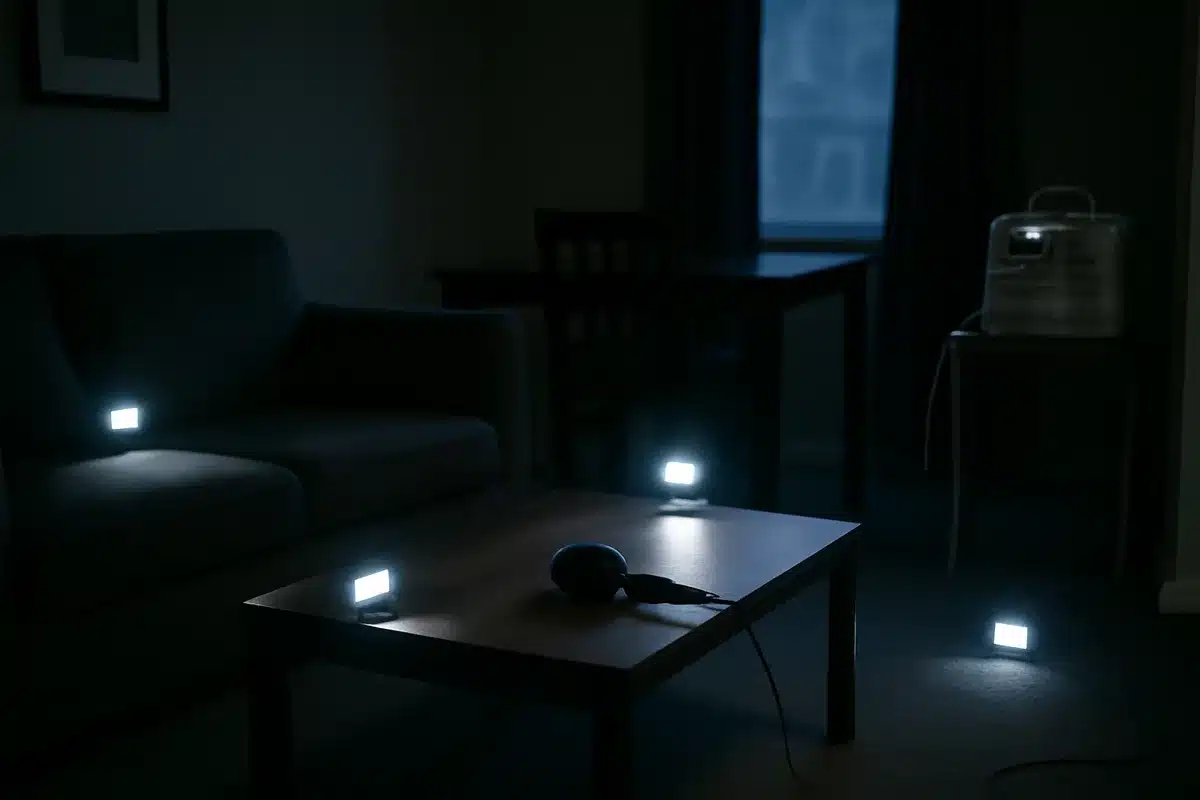
Fielder — known for work that blurs reality and performance — appears on camera as both interrogator and interlocutor, at times deadpan, at times visibly perplexed. The film stages moments that probe Holmes’ account of events, including a sequence where previously stored Theranos hardware is retrieved and demonstrated on camera.
Viewers will also meet peripheral figures: family members, former associates and others who provide context without offering easy answers. Holmes repeatedly maintains her innocence on camera, insisting her work was legitimate; the documentary presents those claims alongside scenes that invite skepticism rather than verdicts.
Why this matters now
This film arrives as public debate about accountability for corporate misconduct remains unresolved. Beyond Holmes’ criminal conviction and sentencing in 2022 — when she received an 11-year term — the documentary provokes broader conversations:

- How should journalists and filmmakers balance access with critical distance?
- What does it mean when a subject frames her own narrative so completely that media retellings risk becoming extensions of that performance?
- How do investors, regulators and the press share responsibility for catching or enabling high-tech fraud?
Those are not rhetorical asides: the film’s extensive footage and its choice to avoid tidy conclusions mean audiences must weigh evidence and come to their own judgments — a rare posture for a high-profile documentary.
Key production details
| Title | You Can See Everything |
|---|---|
| Directors | Nathan Fielder, Lance Oppenheim |
| Distributor | A24 |
| Festival Premiere | Telluride Film Festival (world premiere) |
| Running time | 2 hrs 54 mins |
| Planned release | October 2026 |
| Principal on-camera subjects | Elizabeth Holmes, Billy Evans, Nathan Fielder |
What remains unresolved
The film does not offer a courtroom-style reconciliation of the facts. Instead, it presents behavior, gestures and testimony that may shift public perception without delivering definitive proof. That ambiguity is both the documentary’s strength and its challenge: it invites scrutiny of Holmes’ story while leaving viewers to sort truth from performance.
For those following the Theranos saga, the new footage may reopen debates about investor due diligence, media responsibility and the line between charisma and deception. For documentary makers and journalists, it will be a case study in the trade-offs of deep access.
Whether You Can See Everything alters the broader verdict on Holmes is an open question. What is clear is that the film forces an uncomfortable but timely conversation about how we document, dramatize and judge high-profile failures in technology and trust.
Similar Posts
- Oscar predictions 2027: Telluride reshapes Best Picture race as TIFF lines up
- Marta Kauffman trailer spotlights non-speaking autistic woman’s extraordinary story
- Harvey Kurtzman movie poster unveiled: exclusive first look at Mad World film
- Francis Ford Coppola backs new documentary on Steadicam pioneer Garrett Brown
- Library of Congress names six finalists for Lavine/Ken Burns film prize: winner gets $200,000
Hello, I’m Declan. I share my film reviews and discoveries with you to enrich your moviegoing experience.