
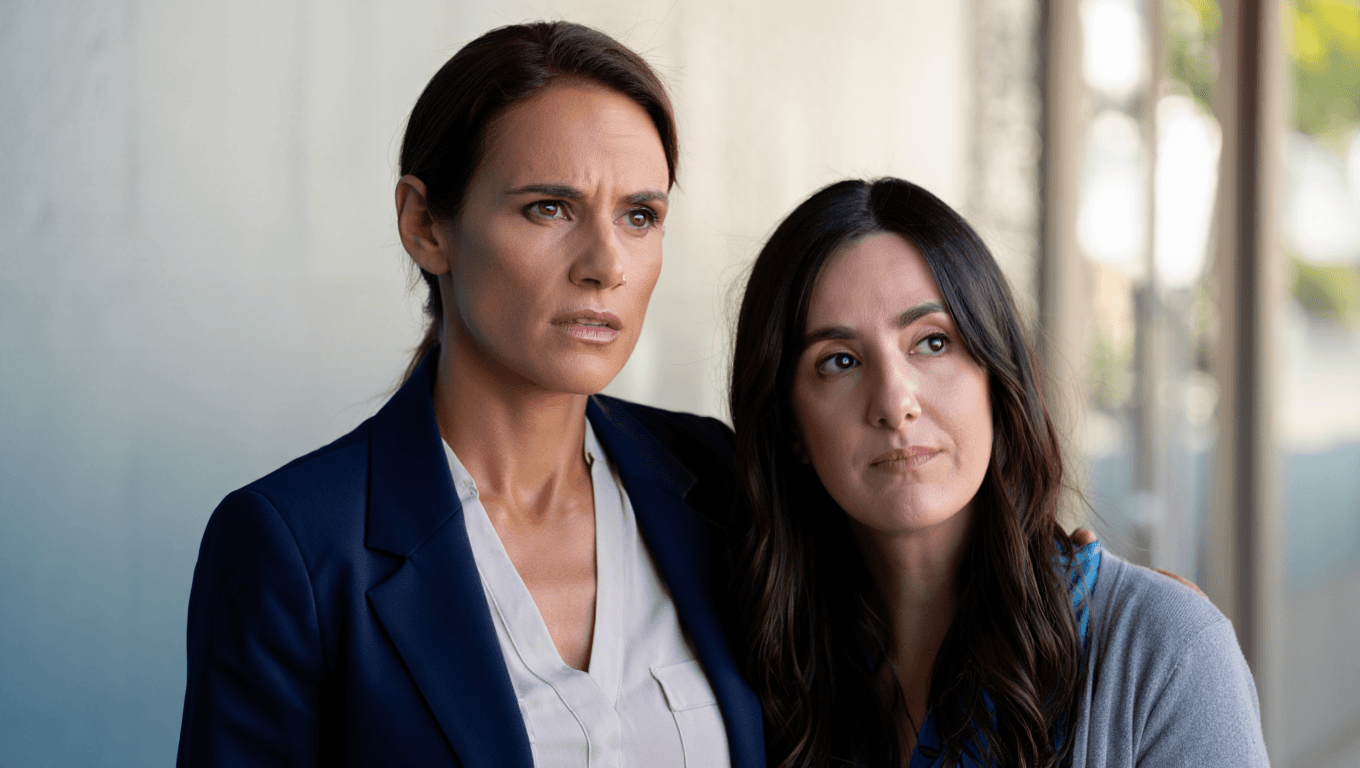
A short documentary about a non-speaking autistic woman who discovered a way to communicate after decades of silence opens at the San Francisco International Film Festival this week. The film — and its wider PBS release — spotlights how assistive methods can reshape the lives of people long written off as unreachable.
Buried Under Years of Dust follows Emily Grodin, who, after years of unsuccessful therapies, began using an assisted-typing system that allowed her to express thoughts previously inaccessible to family, clinicians and the public. The short premieres Friday and will later air on the PBS documentary series Independent Lens.
What the film shows
Directed and produced by Sophie Sartain of Orchard Pictures, the short draws on Grodin’s own writing and a memoir coauthored with her mother, Valerie Gilpeer. Producers include Marta Kauffman, known for co-creating the sitcom Friends, alongside Robbie Rowe Tollin and Hannah KS Canter.
The documentary presents Grodin’s inner life through the words she types. Early in the film, she recalls years of feeling aware of being different and, for a long time, unable to make herself understood. The first typed line that helped introduce her voice to others—an image central to the film—has already been widely noted in publicity for the project.
- Title: Buried Under Years of Dust
- Subject: Emily Grodin, a non-speaking autistic writer
- Director: Sophie Sartain
- Producers: Marta Kauffman, Robbie Rowe Tollin, Hannah KS Canter
- Source: Memoir by Emily Grodin and Valerie Gilpeer
- Premiere: World premiere at the San Francisco International Film Festival; future broadcast on Independent Lens
Gilpeer, in recent interviews, framed the memoir and film as a correction to the common practice of filtering autistic people’s experiences through parents, therapists and doctors. She told reporters the goal was to make Emily’s insights available in her own words, offering a direct view into lived experience rather than secondhand interpretation.
Why this matters now
As debates continue about how best to support autistic people—particularly those who do not use spoken language—the film arrives at a moment when assistive technology and alternative communication methods are gaining attention in education and healthcare. By centering a person’s authored words, the documentary challenges assumptions about who gets to speak and how credibility is assigned.
Advocates and professionals studying communication access say examples like Grodin’s can influence practice: parents and clinicians may reassess treatment goals, and educators might expand tools they offer learners. At the same time, the film raises questions about access, assessment and the meaning of consent when assisted systems are introduced.
The trailer for Buried Under Years of Dust has been released alongside festival publicity, giving an early look at Grodin’s writing and the filmmaking approach that stitches her words to archival footage and interviews.
Whether the documentary becomes a conversation starter among policymakers, clinicians and teachers will depend on how widely it is seen after its festival debut and national broadcast. For now, it offers a personal account that many viewers will find unfamiliar and, for some communities, potentially consequential.
Similar Posts
- Zzaslow the rescue dog saved dozens: new documentary spotlights his impact
- NAZA trailer drops ahead of global release that will include free streaming
- Sarajevo Film Festival sees more female directors: director pledges stronger filmmaker ties
- Alzheimer’s in animated Cannes film: filmmakers wrestle with portraying the illness
- Harvey Kurtzman movie poster unveiled: exclusive first look at Mad World film
Hello, I’m Declan. I share my film reviews and discoveries with you to enrich your moviegoing experience.