
The documentary Once Upon a Time in Harlem — assembled from 16mm footage shot in 1972 by the late William Greaves and completed by his son David Greaves — has claimed the eighth annual Library of Congress Lavine/Ken Burns Prize for Film, taking home the $200,000 top award. The recognition spotlights a newly restored archive that brings the voices of the Harlem Renaissance back into public view at a moment when historical storytelling is driving renewed interest in cultural preservation.
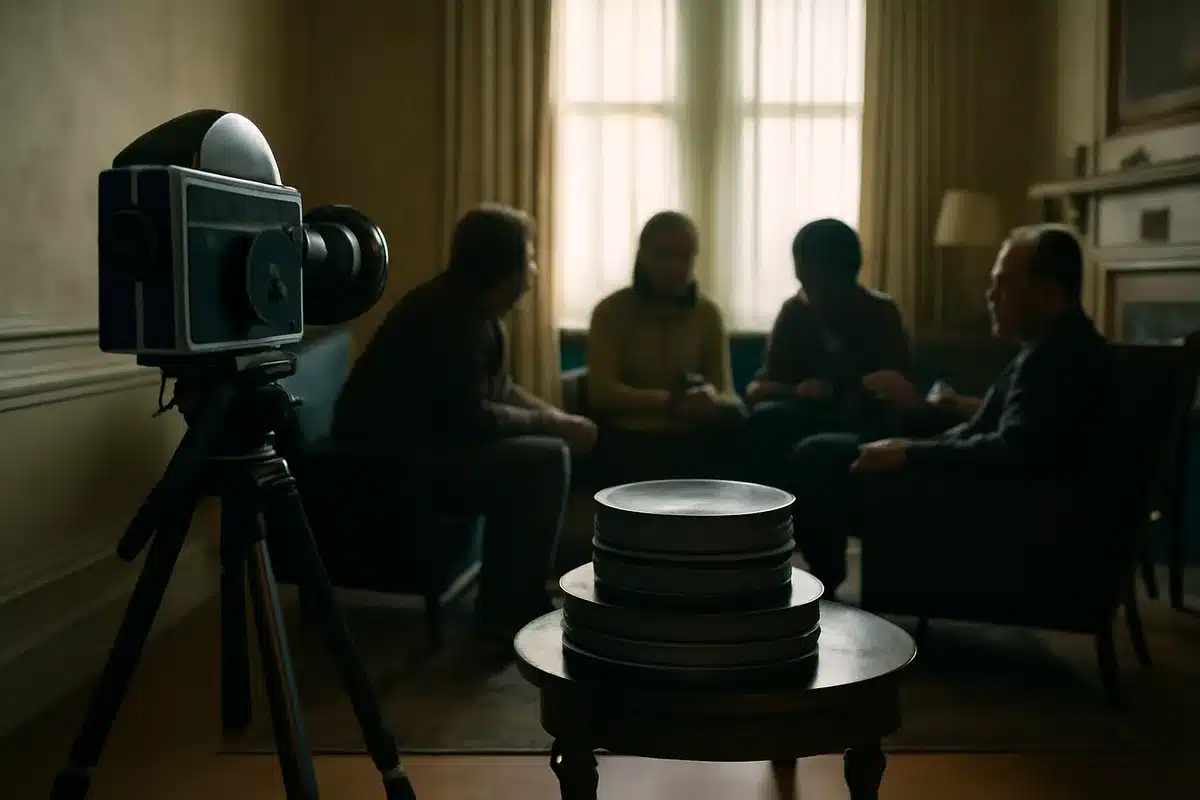
Produced by William Greaves’ granddaughter, Liani Greaves, the film centers on a remarkable reunion held at Duke Ellington’s Harlem townhouse, where surviving members of the Harlem Renaissance gathered after decades apart. Cameras capture intimate debates, memories and the creative tensions of a generation whose work reshaped American culture.
A preserved conversation with lasting value
Judges praised the project as a singular document that offers a rare, immediate window into the period. According to the Library of Congress announcement, the jury called the film “a stunning, seminal work” likely to be referenced for years to come for both its historical importance and its cinematic vitality.

Filmmaker Ken Burns, who helped select the winner, said the restored footage feels like time travel — an energetic gathering in which icons not only celebrate the Harlem Renaissance but debate what art and cultural legacy mean across generations.
For viewers and cultural institutions, the prize reinforces two practical outcomes: greater public exposure for archival material that might otherwise remain unseen, and financial support for nonfiction filmmakers tackling U.S. history. The $200,000 award is currently the largest cash prize dedicated to nonfiction film in the United States.
Runner-up and finalists
The runner-up award of $50,000 went to Deborah Riley Draper’s Romare Bearden: A Life in Collage, a film that reintroduces the pioneering artist through his own words and a rich array of archival material. The jury said the film makes a persuasive case for Bearden’s central place in modern American art and culture.

Four additional projects were each awarded $25,000 as finalists. Highlights of those films:
- The Animated Mind of Oliver Sacks (dir. Dempsey Rice) — Uses immersive animation and newly discovered personal recordings to explore the early clinical work and inner struggles of the neurologist and writer.
- Barrio Television (dir. Christina DiPasquale) — Tells how 1970s Puerto Rican activists in New York disrupted live TV to create Realidades, the first bilingual Latino series in U.S. public television, using original creators and unseen materials.
- The Day Freedom Died (dirs. Joseph Dorman & Kelly Williams) — Examines the 1873 Colfax massacre in Louisiana, a pivotal and brutal episode during Reconstruction and its legal aftermath.
- Zenón and the Rebel Boats (dir. Juan C. Dávila Santiago) — Chronicles Carlos “Taso” Zenón and Vieques fishermen who resisted decades of U.S. Navy activity, blending his recorded narration with newly surfaced archival footage.
These awards come with the promise of increased distribution and public screenings, often helping films find broadcasters, festival slots and educational platforms.
Who decided the winner
The national jury included filmmakers and cultural leaders such as Yoruba Richen, Betsy West and Peter Yost, alongside museum and academic voices. Acting Librarian of Congress Robert R. Newlen, in consultation with Ken Burns, selected the winner and runner-up from a field of more than a thousand submissions, underscoring the competitive nature of the award.
Newlen described Once Upon a Time in Harlem as a film that “reintroduces us to a range of personalities and perspectives” and demonstrates how archival footage can make history feel immediate and compelling.
When and where the winners will be honored
The winners are scheduled to be publicly honored at a ceremony in New York City on October 22, where Ken Burns will participate. Since the prize was launched in 2019, the program has distributed roughly $2.6 million to support documentaries that illuminate U.S. history, helping projects move from preservation and production into public view.
Past beneficiaries include films that examined everything from urban decline to cultural figures and social movements — examples that illustrate the prize’s role in amplifying historical documentaries beyond specialist audiences.
At festivals where Once Upon a Time in Harlem has screened, including a recent showing at Camden International Film Festival, the Greaves family emphasized their hope that the restored footage will reach wide audiences and spark fresh conversations about the Harlem Renaissance and the ways memory is preserved on film.
Similar Posts
- Library of Congress names six finalists for Lavine/Ken Burns film prize: winner gets $200,000
- Harvey Kurtzman movie poster unveiled: exclusive first look at Mad World film
- Son of a Bikram: SXSW short-form winner gets feature adaptation with Marginal MediaWorks
- Elephants in the Fog, Cannes jury-prize winner, is sold internationally to Best
- Bentonville film festival winners: If I Go Will They Miss Me and Jane Elliott doc win top awards

Hello, I’m Declan. I share my film reviews and discoveries with you to enrich your moviegoing experience.