
A24’s newest release turns a viral internet concept into a full-length feature this weekend, and it arrives at a moment when horror remakes and creator-led projects are reshaping what audiences expect from studio hits. The film, adapted from a popular series of short videos, highlights a growing pipeline: online creators moving from viral clips to theatrical releases with heavyweight producers behind them.
From shorts to the big screen
Director Kane Parsons began the project as a teenager, expanding a string of eerie YouTube segments into his first feature. The idea — an unsettling labyrinth of rooms and corridors — already drew millions of viewers online; now it’s been rebuilt as a cinematic environment meant to be experienced on a large screen.
That transition matters because it helps define a pattern in today’s industry: small-scale, serialized internet storytelling can attract major backers and translate into mainstream box-office attention. For studios like A24, the bet is both creative and commercial — nurture a distinct voice, then let big-name producers and distributors amplify it.
A portrait of the film
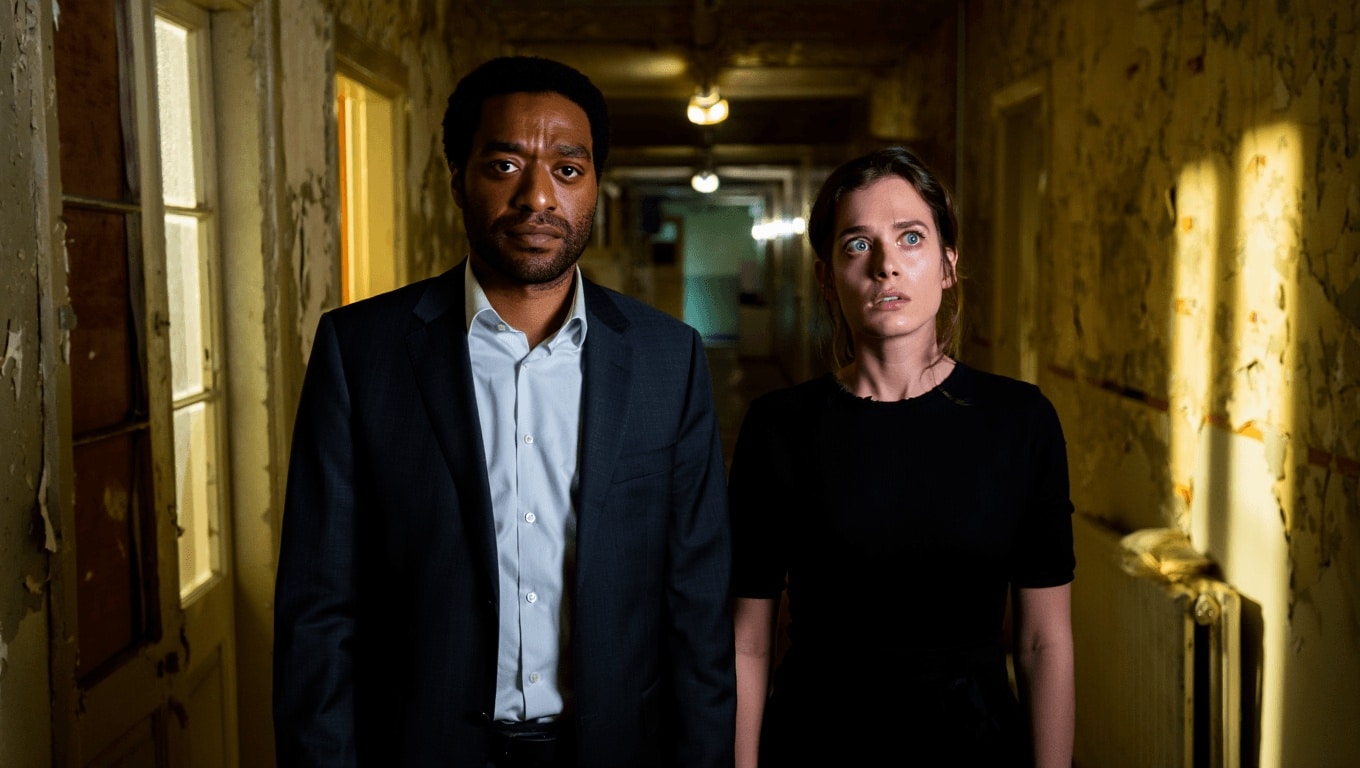
Chiwetel Ejiofor leads as Clark, a furniture-store owner who discovers he can step through solid walls into a sprawling, yellow-tinged interior that defies logic. What starts as a curious anomaly turns into a perilous descent, drawing in coworkers and friends who document the exploration and quickly learn there are limits to how much of this place a person can survive.
Renate Reinsve plays the psychologist who becomes entangled with Clark’s obsession, while Lukita Maxwell and Finn Bennett appear as employees caught up in the adventure. Mark Duplass shows up later as a scientist trying to probe the phenomenon — a familiar thread for fans of the original shorts, but presented here with new layers.
Style, tone and influences
The film’s atmosphere leans heavily into disorienting, dreamlike logic: muted colors, relentless fluorescent light, and hallways that seem to go on forever. Rather than a straightforward scare-fest, the movie builds tension through environment, slow-burn unease and carefully staged set pieces that invite interpretation.
Viewers will detect echoes of surreal television and psychological horror cinema, but Parsons and co-writer Will Soodik shape those references into a distinct mood. The result is less a pastiche of familiar touchstones than a compact, claustrophobic world that lingers after the credits roll.
Technical craftsmanship
The film’s production values are a standout: Jeremy Cox’s cinematography and Danny Vermette’s production design turn repetitive corridors into visually arresting spaces, while sound design and visual effects amplify the sense of being trapped somewhere uncanny. Editor Greg Ng and VFX supervisor Edward Douglas stitch the sequences into a rhythm that balances dread and curiosity.
The score, credited to Parsons and Edo van Breeman, uses electronic textures to punctuate the film’s unnerving silences and sudden shocks, making the setting feel both familiar and alien.
- Title: Backrooms
- Director: Kane Parsons
- Screenwriter: Will Soodik
- Lead cast: Chiwetel Ejiofor, Renate Reinsve, Mark Duplass, Finn Bennett, Lukita Maxwell
- Distributor: A24
- Running time: 1 hour 50 minutes
- Rating: R
Why this release matters now
This film exemplifies two industry currents: the rise of creator-originated IP and studios’ willingness to place larger bets on unorthodox, director-driven material. With producers such as James Wan, Shawn Levy, Osgood Perkins, Peter Chernin and Jenno Topping attached, the movie benefits from seasoned oversight that helps scale a niche concept without diluting its identity.
For audiences, the stakes are straightforward. If the film connects with both fans of the original shorts and viewers encountering the concept for the first time, it could become the template for more internet-born projects moving into theatrical realms. It also raises the possibility of further installments — the labyrinth at the center of the story is, by design, a premise that can be revisited.
At its best, the movie is a piece of mood-driven filmmaking: unsettling, carefully composed and anchored by strong performances. Even if you’re not familiar with the source material, the design and craft make it easy to engage. For fans, there are nods and connective tissue; for newcomers, it functions as a self-contained, memorable puzzle.
Whether this marks the next breakout franchise or simply a stylish addition to A24’s slate, the film is worth attention this weekend for what it says about how modern horror is being made — and who gets to make it.
Similar Posts
- Horror movie poised for record-breaking box office debut
- Blumhouse Atomic Monster and Heidi Wong: what a short‑film deal would mean
- Cotton Eye Joe starts shooting with Bill Moseley, Sean Gunn: SC Films opens TIFF sales
- Obsession and Backrooms’ surprise shouldn’t steer where the film industry looks next
- Horror director Justin Hardy dead at 61: sudden passing stuns fans

Hello, I’m Declan. I share my film reviews and discoveries with you to enrich your moviegoing experience.