
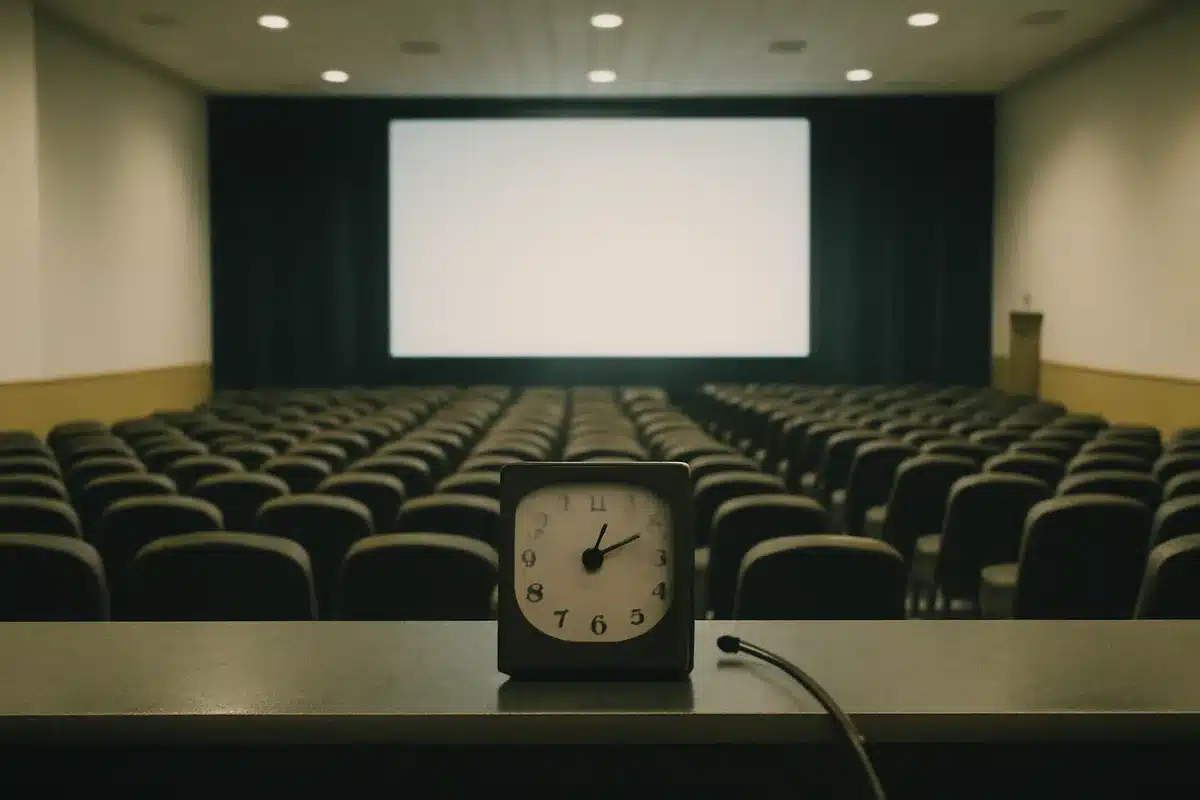
Director May el-Toukhy halted the world premiere of her film at the Venice Film Festival after translated captions began to slip out of sync, then restarted the screening so audiences could follow the story correctly. The incident — brief but public — highlighted both the practical importance of accurate subtitles and the broader spotlight on representation at this year’s competition, where el-Toukhy is one of only two women in the main lineup.
The disruption happened shortly after the film began. Viewers heard raised voices outside the auditorium as el-Toukhy left the room; a few minutes later she returned with producer Mikael Riek and asked organizers to rewind the print by roughly 15 minutes so the corrected subtitles would match the dialogue.

Most attendees stayed for the restart. When the screening finished, the film received a warm response: an extended standing ovation that ran several minutes and left the director and cast visibly moved.
Subtitles matter beyond convenience: for international festivals they are the primary bridge between a film and its global audience. Misaligned captions can obscure performances, erase subtlety and, in a film that depends on nuance, change viewers’ understanding of character and motive.
- Film: Woman Unknown
- Director: May el-Toukhy
- Setting: Denmark, summer 1945
- Plot focus: A domestic worker’s past threatens her future amid post‑occupation suspicion
- Festival status: In competition for the Golden Lion, one of two female-directed entries in the main slate
Woman Unknown is a restrained psychological drama set in the aftermath of World War Two. Mathilde Arcel plays Marie, a nanny whose plans to marry a wealthy widower collapse when secrets from her past come to light. The story examines how communities policed women’s behavior during and after occupation, and the lingering effects of public shaming.
On the red carpet earlier the same evening, el-Toukhy wore a white gown marked by a red embroidered detail on the back — a deliberate, understated symbol that critics at the festival read as referencing blood and the film’s themes of visibility and stigma.

El-Toukhy has been publicly aware of the gender imbalance at Venice. When the main competition slate was first announced, she was the sole female director among nearly 20 men; a late addition has since brought the total of women in competition to two. She told reporters before the premiere that the disparity felt systemic and persistent, a pattern she has encountered throughout her career.
The incident at the screening plays into two timely industry conversations. One is technical: festivals must ensure reliable presentation, especially as international viewership and streaming agreements make accurate localization essential. The other is structural: festivals’ selection practices are increasingly scrutinized for gender parity and inclusion.
For attendees, the rewind clarified the narrative; for the director, it was a choice to protect how her work is seen. For the festival circuit, the episode serves as a small but visible reminder that presentation and representation both shape how films are received and remembered.
Whether the film goes on to win awards or generate controversy, the premiere underscored the stakes of festival screenings today: they are public events where technical details and programming decisions can influence critical and cultural outcomes beyond a single night.
Similar Posts
- Venice ovation: the Echo Chamber draws eight-minute applause for Sarandon, Vikander, Marinelli
- Werner Herzog’s ‘Ghost Elephants’ lands home-entertainment deal with Buffalo 8
- Barthélémy Grossmann joins Artist International Group: Father Joe director gets management
- Telluride surprise film lands studio buyer, triggers frantic industry scramble
- NAZA trailer drops ahead of global release that will include free streaming

Hello, I’m Declan. I share my film reviews and discoveries with you to enrich your moviegoing experience.