
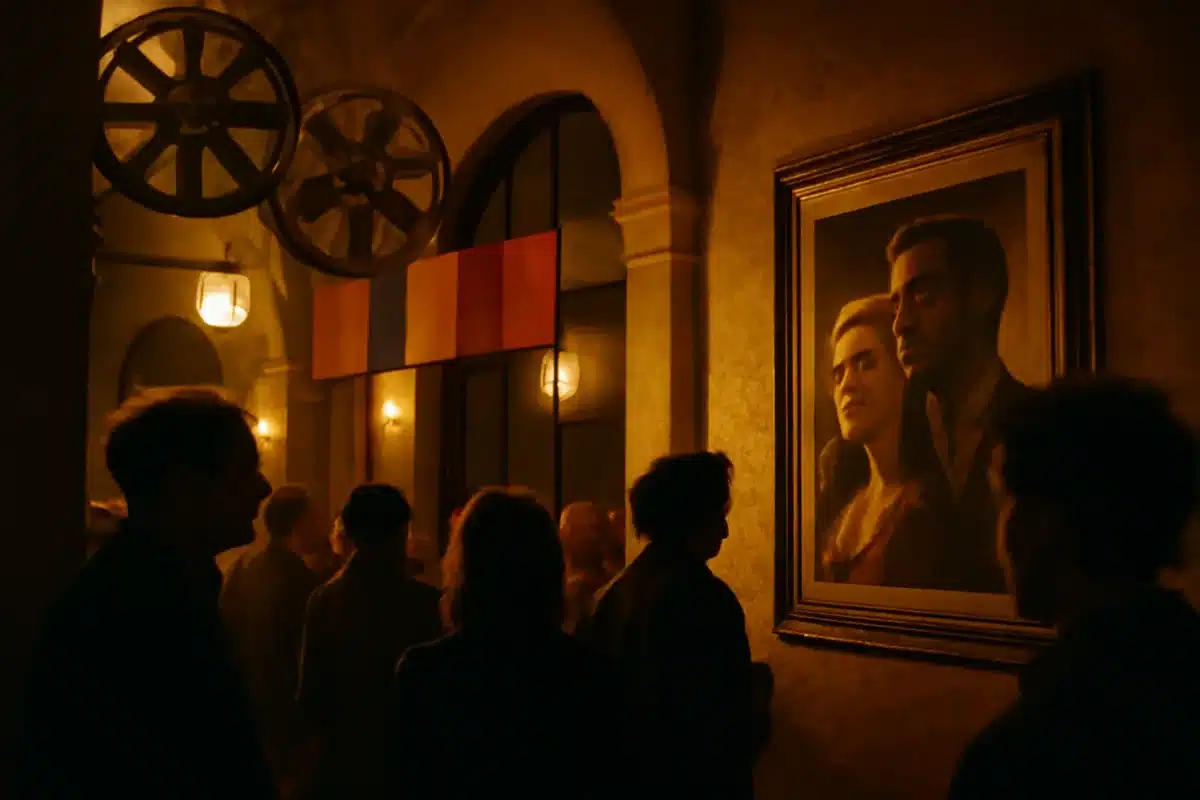
The Sarajevo Film Festival returns to the Bosnian capital from August 14–21, 2026, mounting a program that aims to amplify Southeast European cinema while linking regional voices to established international filmmakers. This year’s lineup and special initiatives matter now because they signal growing parity, new distribution opportunities for local hits, and a deliberate effort to preserve the festival’s cultural legacy.
Opening night, closing restoration and the competition slate
Festival organizers will kick off the week with Paweł Pawlikowski’s Fatherland, which premiered in competition at Cannes earlier this year; the director is expected to attend the gala screening. The closing night will feature a restored version of Danis Tanović’s debut, No Man’s Land, returning to Sarajevo nearly a quarter-century after its original run.
In total, 51 films will screen across four competitive strands: narrative feature, feature and short documentary, narrative short, and student short. The program includes 21 world premieres, six international premieres, one European premiere and 23 regional premieres—an intentionally dense mix of new work and regional discovery.

Who’s on the ground
This edition brings several high-profile names to the city. Emily Watson will preside over the competition jury, and masterclasses are scheduled with Woody Harrelson, Diego Luna and Asghar Farhadi—figures whose participation the festival says helps deepen creative ties rather than simply add star power.

Watson’s appearance marks a return after two decades; Farhadi has strong prior ties to Sarajevo, and Pawlikowski and other repeat guests underline the festival’s long-term relationships with filmmakers.
Focus on regional cinema, gender balance and new tributes
Organizers describe the competition as reflective of a lively regional cinema that is preoccupied with social change. Many films explore how individuals negotiate shifting societies, with narratives that blend personal history and forward-looking, genre-bending approaches.

There is a notable emphasis on female filmmakers this year. Several entries are directed by women, including the world premiere of Slovenian director Urša Menart’s Everything That’s Wrong With You and the European premiere of Dina Duma’s Skateboarding Is Not For Girls. The festival has also extended a support initiative for female directors in partnership with Uniqa Insurance Group, now in its second year.
The program introduces a longer-term initiative called the Béla Tarr in Sarajevo Tribute, dedicated to the legacy of the late Hungarian director and the work of his former students from the Film Factory Sarajevo. The selection brings together films such as Valdimar Jóhannsson’s Lamb, Pilar Palomero’s Motherhood and Bianca Lucas’ Love Dog, framing Tarr’s influence through the careers he helped shape.
- Dates: August 14–21, 2026
- Films in competition: 51 across four categories
- Premieres: 21 world, 6 international, 1 European, 23 regional
- Opening film: Fatherland (Paweł Pawlikowski)
- Closing film: No Man’s Land (restored, Danis Tanović)
- New award: Prix Cineplexx for best Open Air Premiere (producer prize: €20,000—€15,000 in marketing services and €5,000 cash)
Commercial momentum and distribution hopes
Alongside auteur-driven selections, the festival points to a recent rise in commercially successful regional releases. Co-productions such as The Wedding (Croatian-Serbian) and Bosnian hit Testament have recorded strong admissions across former Yugoslav markets. Organizers see these box-office performances as proof that Sarajevo can serve both as a champion of artistic cinema and a platform that helps films find wider regional distribution.
That dual role—supporting auteur storytelling while facilitating commercial reach—is increasingly central to the festival’s strategy.
Why Sarajevo’s history still shapes its purpose
The Sarajevo Film Festival was born during the 1990s siege, and its founding during wartime conditions remains a touchstone for programming decisions. Festival leadership stresses that the event’s origin story informs its conviction that culture is essential to public life—an assertion reflected in the choice of films and public engagements throughout the week.
For organizers, preserving that ethos means curating work that restores dignity through artistic exchange, not just commemorating conflict. The programming aims to keep that balance—presenting films that grapple with the past while spotlighting emerging voices and contemporary concerns.
The Sarajevo Film Festival runs August 14–21, 2026, and promises a program that mixes regional discovery, international names and initiatives dedicated to artistic legacy and gender parity.
Similar Posts
- Les Arcs film festival puts Spain center stage in French Alps
- Taormina film festival draws Hollywood stars and indie favorites to Sicily for 72nd edition
- Munich film festival launches global push: elevating German talent and U.S. indie films
- NAZA trailer drops ahead of global release that will include free streaming
- Cannes film festival 2026: what Deadline’s critics thought of every new film

Hello, I’m Declan. I share my film reviews and discoveries with you to enrich your moviegoing experience.