
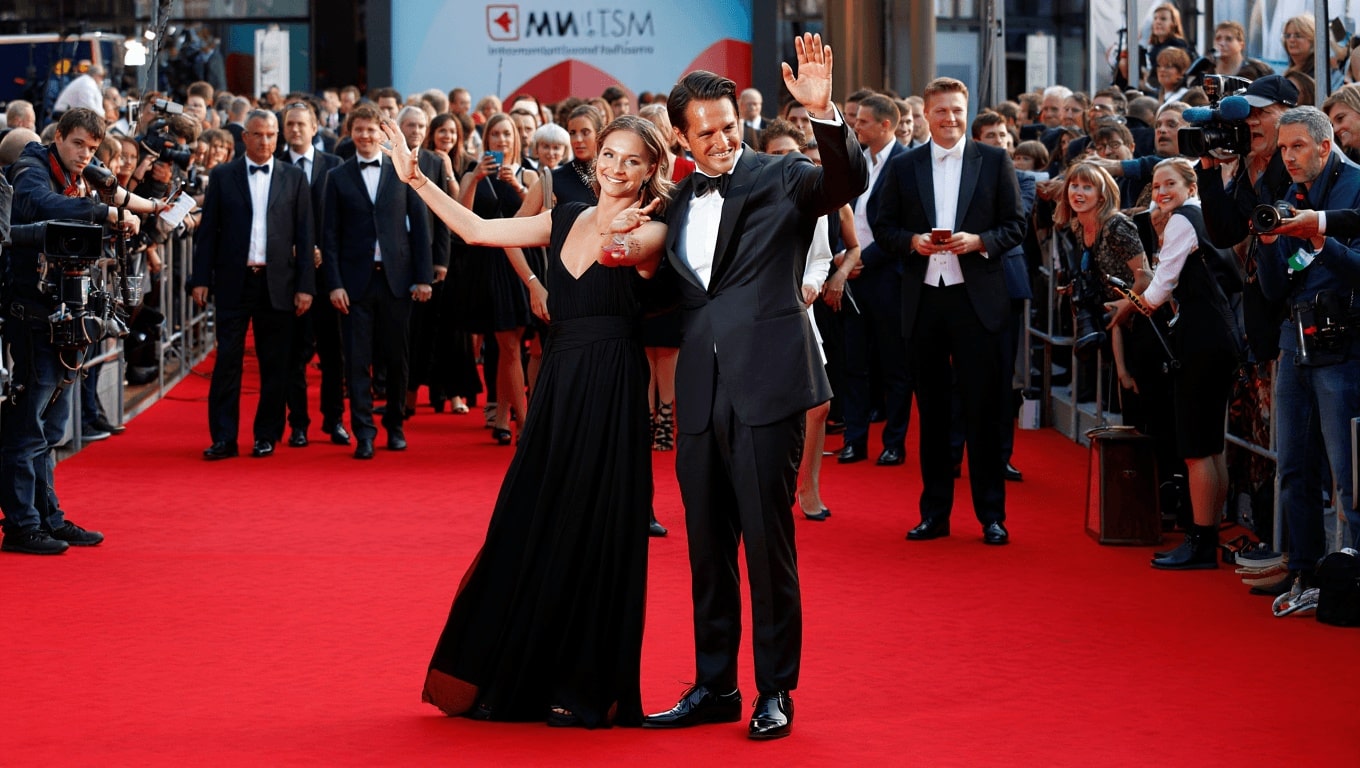
The Munich International Film Festival is unfolding as a crossroads for German cinema and an increasingly international industry hub. With high-profile guests and recent accreditation that raises its profile, the festival’s debates over funding, talent and the role of global independent film feel especially timely for filmmakers and audiences alike.
The event has mixed star power with industry workshops and live moments that have become talking points across the program. Pedro Almodóvar, Toni Servillo and David Duchovny are among the headline draws, while U.S. indie figures such as Jay Duplass and Ira Sachs, plus prominent German auteurs, have populated panels and screenings.
Moments that matter
Organizers describe a festival that aims to combine relaxed social life with serious conversation. Public encounters — from large-scale screenings to informal riverfront networking on floating platforms — have been used to stitch together an international crowd of creators, buyers and press.
Festival co-directors Christoph Gröner and Julia Weigl say several encounters have been particularly emblematic: intimate masterclasses with veterans of German cinema, candid conversations about acting craft, and the festival’s ability to attract artists who bridge national scenes.
Masterclasses and exchanges
Weigl highlighted a session with Jutta Brückner and Margarethe von Trotta, noting the chemistry between the two filmmakers and the way their exchange underscored long-standing creative alliances in German cinema. Gröner pointed to a deep, practical discussion with Toni Servillo about timing and performance — a reminder that craft-focused conversations remain central to the festival’s program.
These sessions aren’t just anecdotal: they are designed to reconnect generations and stimulate collaboration across borders, the directors say.
The CineMerit choices: what they signal
The festival awarded its CineMerit honors to Toni Servillo and David Duchovny this year. Organizers see the pair as complementary ambassadors: Servillo as a figure tied to the traditions of European film, and Duchovny as a restless, multidisciplinary artist whose career crosses continents and media.
Recognizing such figures is part of Munich’s effort to broadcast its taste and influence. The festival believes these prizes help position it as a place where international filmmakers and executives look for fresh work and emerging trends.
German talent pipeline — promising, but fragile
Both directors told visiting press that the present crop of German filmmakers is diverse and creatively robust. What the new generation lacks, however, is predictable timelines and stable support structures.
Gröner argued that while talent is abundant, the system must offer time, reliable funding and early international connections so filmmakers can build sustainable careers.
Weigl and others at the festival voiced a similar urgency: policy changes and funding mechanisms need to line up with the ambitions of creators if German cinema is to scale its international reach.
Funding debate: why €250 million matters — and what’s missing
There is cautious optimism in Munich following a government pledge to raise federal film funding to roughly €250 million per year. Industry participants welcomed the boost as a crucial signal of support.
At the same time, organizers warned that the long-term picture depends on structural measures still under discussion — most notably the design of tax incentives and obligations for streaming services. Without those pieces, many say, the funding lift may not translate into predictable production pipelines.
Conversations shaping the festival
Industry Days featured more than 150 panels and talks, ranging from policy workshops to debates about technology and art. One memorable exchange involved writer Daniel Kehlmann reflecting on artificial intelligence: he sketched both a worrisome and surprisingly hopeful future, suggesting AI might be entertaining but unlikely to replace the human core of artistic expression.
That theme — the distinct value of human storytelling — threaded through many conversations, echoing the festival’s wider emphasis on personal voices in cinema.
Munich as a hub for U.S. independent film
Festival programmers are actively courting American indie filmmakers and their teams. This year’s slate included a number of low-budget, high-voice titles that built followings outside conventional studio systems; closing night was headlined by a new Jay Duplass–directed picture, underlining the festival’s commitment to transatlantic indie exchange.
Weigl said Munich plans to strengthen ties with U.S. producers, sales agents and festival partners so the city becomes a regular European stop for American independent work.
Where the festival goes next
Looking ahead, the directors outlined two linked priorities: maintain Munich’s role as the principal showcase for German cinema while growing international credibility in authentic ways — not merely through optics but by consistently discovering and promoting new voices.
FIAPF accreditation, they noted, confirms that the festival’s strategy is drawing attention on a broader European stage. Yet they stressed that the event will stay informal and audience-friendly; programming choices will continue to favor encounters and conversations as much as premieres.
- Industry signal: FIAPF accreditation raises Munich’s international profile and can attract more global premieres.
- Funding watch: The pledged rise to €250 million is significant, but the outcome depends on tax incentives and streaming rules yet to be finalized.
- Talent needs: Emerging German filmmakers require time, stable financing and early access to international networks.
- U.S. indie focus: Stronger partnerships with American producers and agents aim to make Munich a natural European launchpad for independent U.S. films.
- Art vs. tech: Ongoing debates around AI emphasize the enduring value of human-led storytelling in cinema.
For audiences and industry alike, this edition of the Munich festival matters because it combines star-driven visibility with substantive policy and creative discussions — an intersection that could shape the European film landscape in the coming years.
Similar Posts
- Moritz Borman dead at 71: veteran producer behind Oliver Stone films, Terminator and The Crow
- Les Arcs film festival puts Spain center stage in French Alps
- Deadline live from Cannes 2026: exclusive interviews and film market coverage
- Gaza filmmakers get training at Venice Film Festival: new academy empowers local storytellers
- Sarajevo Film Festival sees more female directors: director pledges stronger filmmaker ties

Hello, I’m Declan. I share my film reviews and discoveries with you to enrich your moviegoing experience.