
Detecting AI-generated music is becoming increasingly critical as artificial intelligence floods streaming platforms, with a Washington Post opinion piece published September 5, 2026, offering guidance on how to spot synthetic tracks. A survey by Deezer and Ipsos found that 97% of listeners cannot distinguish AI-generated music from human-made recordings, underscoring why technical and listening-based detection methods matter.
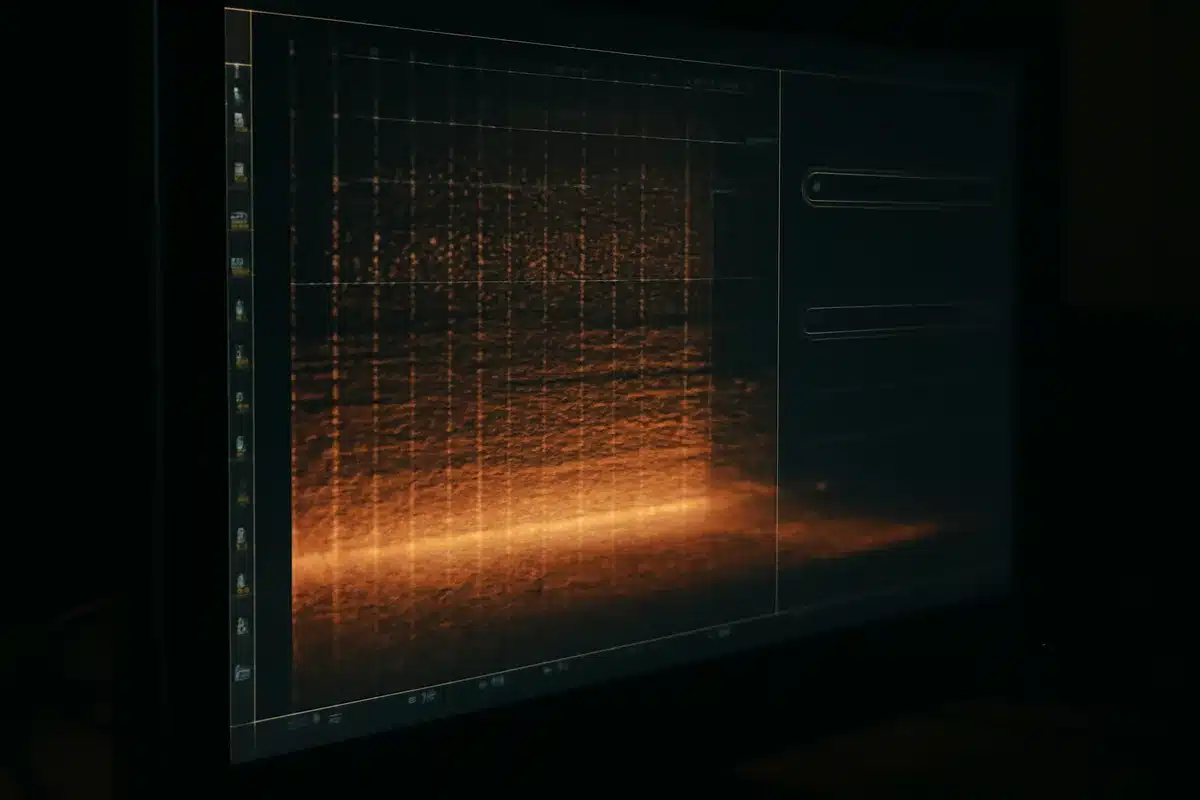
Spectral analysis forms the backbone of automated detection. AI music generators leave microscopic fingerprints in the frequency domain that differ fundamentally from recorded audio. Human recordings contain natural imperfections—subtle room tone, microphone bleed, tiny pitch variations—that create an irregular, complex spectrogram. AI-generated audio, by contrast, produces unnaturally smooth frequency distributions with grid-like patterns in the high-frequency range, abrupt frequency cutoffs, and mathematically precise harmonic spacing that real instruments and voices never achieve.

Metadata scanning represents the simplest detection approach. AI music generators embed identifying information directly in audio files—specific values in WAV and MP3 headers, encoding characteristics, and sometimes explicit C2PA Content Credentials that declare the content was AI-generated. Streaming platforms maintain databases of these signatures, allowing them to flag known AI tools instantly. However, metadata can be stripped or modified through re-encoding in a digital audio workstation, making this method most effective as a first-pass filter.
Timing pattern analysis exploits a fundamental difference between human performance and AI generation. Human musicians introduce micro-timing imperfections measured in milliseconds—drummers hit slightly before or after the grid, guitarists strum with variation, vocalists breathe irregularly. AI-generated music tends toward either perfect quantization with zero deviation or artificially randomized timing that follows statistical distributions differing from real human patterns. This method proves particularly effective for genres like jazz, blues, and singer-songwriter music where human feel is essential.
According to BBC reporting from November 2025, listening cues also help identify AI music. A song with a formulaic feel—sweet but without much substance or emotional weight—can signal AI generation. AI music often features vocals that feel breathless, generic verse-chorus structures without satisfying endings, and lyrics that follow correct grammatical structure too precisely, whereas memorable human-written lyrics sometimes intentionally break grammar rules.
Advanced Detection and Industry Scale
Watermarking represents the newest detection frontier. C2PA (Coalition for Content Provenance and Authenticity) embeds cryptographic provenance data into file metadata, creating a tamper-evident seal that records when and by what tool content was created. Google DeepMind’s SynthID technology works differently, weaving an imperceptible signal directly into the audio waveform itself. Unlike C2PA, SynthID watermarks survive format conversion, compression, and basic audio editing because they exist within the actual sound data rather than file metadata. The EU AI Act’s transparency requirements, enforceable as of August 2, 2026, mandate that AI providers embed machine-readable watermarks and metadata in generated content.
Noise floor analysis, the most subtle detection method, examines the baseline level of ambient noise present in quiet moments. Real recordings contain environmental noise—electrical hum, air conditioning, room reflections—that creates a unique, consistent noise floor. AI-generated audio typically shows suspiciously clean silence with noise floors far lower than any real recording achieves, or synthetic noise patterns with statistical properties differing from real environmental sound.
The scale of AI music on streaming platforms has made detection an industry imperative. Deezer processes approximately 60,000 AI-generated tracks daily, accounting for over 34% of total uploads as of November 2025, and has tagged over 13.4 million AI tracks since launching its detection tool in early 2025. Spotify has removed more than 75 million AI-generated tracks since beginning enforcement in 2025. Detection systems now combine multiple methods simultaneously—spectral analysis, metadata scanning, timing analysis, watermark detection, and noise floor analysis—because no single method is 100% accurate on its own. The most effective platforms run ensemble approaches using three to five detection methods per scan to improve reliability and reduce false positives that might incorrectly flag legitimate human-created music.

Detecting AI music remains challenging because each detection method has specific vulnerabilities. Heavy audio processing such as multiband compression, saturation, reverb, and EQ can alter spectral characteristics enough to reduce detection confidence. Electronic music genres that deliberately use tight quantization or software synthesizers can produce spectral patterns similar to AI audio. And detection systems trained on one AI platform sometimes struggle with tracks from other generators, highlighting why multi-platform detection databases are essential.
For listeners without access to technical tools, the most practical approach combines multiple signals: checking an artist’s social media presence and live performance history, listening for emotional depth and storytelling in lyrics, and noticing whether production quality seems unnaturally polished or whether vocal delivery feels authentic. Platforms including Spotify, Deezer, and Apple Music continue expanding their detection infrastructure as AI-generated music generation accelerates, making detection capability increasingly central to how streaming services maintain catalog integrity and protect royalties for human artists.
Sources
- BBC News — Signs of AI-generated music including formulaic feel, breathless vocals, lack of emotional weight, and absence of live performance history
- Forward Digital Music — Technical methods of AI music detection including spectral artifact analysis, MFCCs, phase coherence, temporal quantization, C2PA watermarking, and SynthID; EU AI Act requirements effective August 2, 2026
- Undetectr — Five detection methods platforms use (spectral analysis, metadata scanning, timing patterns, watermark detection, noise floor analysis); Deezer processing 60,000 tracks daily; Spotify removal of 75 million tracks; detection accuracy and limitations
- Deezer Newsroom — 97% of listeners cannot identify AI-generated music; 50,000+ AI tracks daily representing 34% of uploads; 13.4 million tracks tagged in 2025
⭐ Follow us on Google — Get our new articles in your Google feed.
Similar Posts
- ElevenLabs launches Music v2.5 a day after UMG licensing deal
- SZA, Kenneth Blume demand answers after AI scraped their music
- Copyright Office solicits comment on music streaming fraud in US
- Mos Def’s The Ecstatic returns on vinyl and streaming
- Disney+, Hulu price hikes take effect: see new monthly charges for subscribers

Hello, I’m Jax. I guide you through the latest comics releases and enrich your geek universe.