
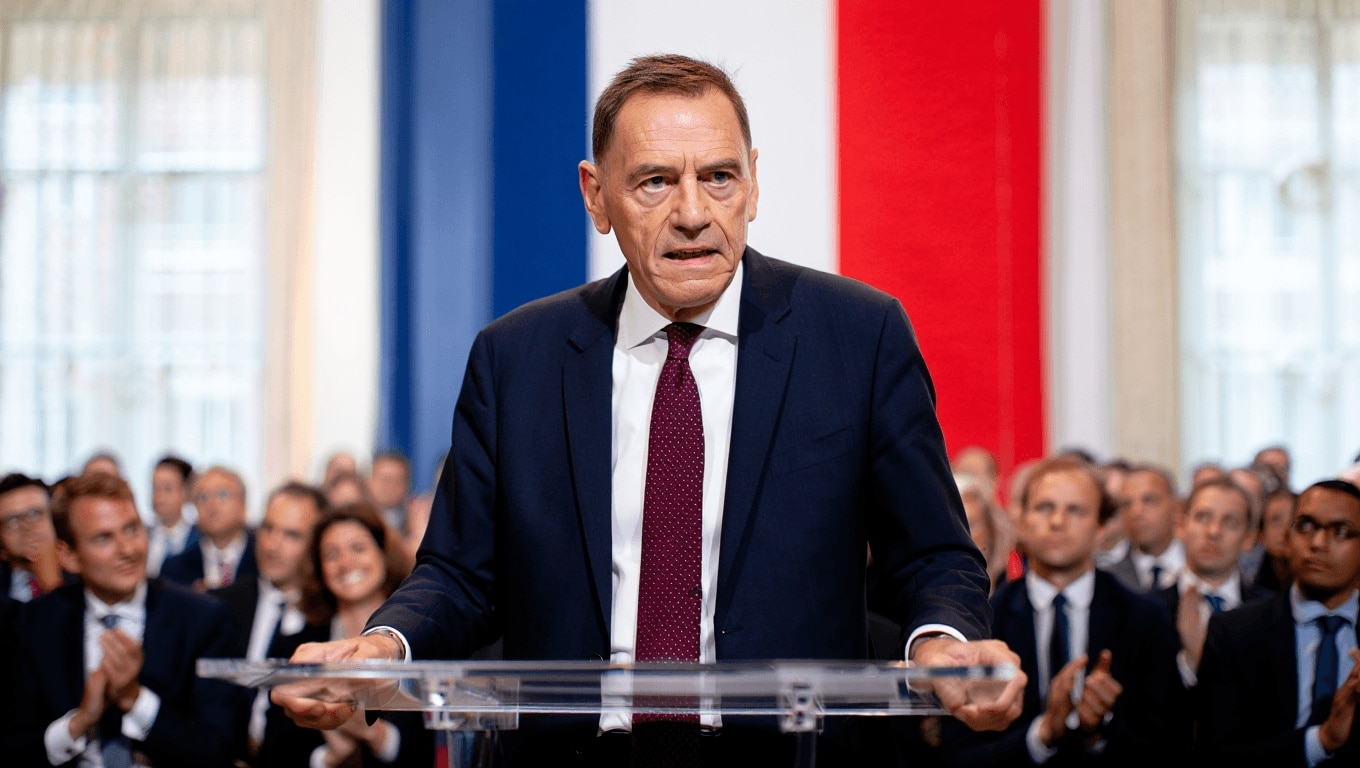
Cyrille Bolloré moved quickly on Wednesday to reject accusations that his family’s empire is steering French culture and news toward a partisan agenda, calling recent claims “false” at the Bolloré Group’s annual meeting in Paris. The rebuttal follows a high-profile open letter first circulated during the Cannes Film Festival that warned of a widening influence by the Bolloré family across French media and cinema.
The debate matters now because it touches on who controls funding and editorial choices in cinema, news and publishing—sectors where decisions affect what audiences see and how public conversation is shaped.
What triggered the controversy
At the centre of the storm is Canal+’s move to buy a 34% stake in UGC, with an option to take full control in 2028. The Bolloré Group is Canal+’s largest shareholder, holding roughly a 30% stake, and critics say that gives Vincent Bolloré and his circle outsized influence over film financing and programming decisions.
Those concerns were amplified by a letter titled “Time To Switch-Off Bolloré,” which first circulated at Cannes and was initially signed by about 600 French film professionals. Signatories said they feared a pattern already visible at other assets linked to the family—particularly the editorial shift at 24-hour news channel CNews and changes at Sunday paper Le Journal du Dimanche—could spread to Canal+’s film activities.
A rapid expansion of support
What began as a local protest has gained traction. After the festival launch, the number of backers swelled to nearly 5,000, with prominent international filmmakers and actors adding their names. The debate turned sharper after Canal+’s chief executive announced the company would not collaborate with the letter’s original signatories—a position that provoked widespread criticism from industry bodies and artists.
- Initial signatories: ~600 Cannes-based film professionals
- Now signed: Close to 5,000 cinema workers and international figures
- Industry flashpoint: Canal+ refusal to work with some signatories
Cyrille Bolloré’s defence
Speaking at the Bolloré Group assembly, Cyrille Bolloré dismissed the idea of a coordinated political project orchestrated through the group’s media holdings. He described accusations of deliberate political interference as “a giant lie,” and sought to downplay fears that editorial choices across Canal+ and other outlets would be centrally directed.
His comments were aimed at calming an increasingly public dispute as executives, artists and industry groups debate whether financial control is translating into editorial influence.
| Entity | Relevant stake or role | Why it matters |
|---|---|---|
| Canal+ | Bolloré Group ~30% largest shareholder | Controls film financing decisions; purchaser of UGC stake |
| UGC | 34% acquired by Canal+, option to buy outright in 2028 | Major cinema chain and studio influence on distribution |
| UMG (Universal Music Group) | Bolloré-related holdings give veto potential over takeover bid | Broad media influence extends beyond film into music |
Wider cultural and commercial implications
Beyond immediate disputes about Canal+ commissioning choices, the episode highlights two broader tensions: first, how concentrated ownership can affect cultural gatekeeping; second, how commercial dealings—like mergers and acquisition bids—intersect with public debate about media independence.
Those concerns were reinforced at the same meeting when Cyrille Bolloré urged Universal Music Group (UMG) management to reject a takeover offer from activist investor Bill Ackman’s Pershing Square, valued at roughly $64.4 billion. The Bolloré Group and allied holdings have voting weight that could block the deal: the family’s direct stake in UMG combined with its position within Vivendi gives it outsized influence on the outcome.
That intervention demonstrates how the group’s reach extends beyond film and news into global media markets—raising questions about the balance between shareholder strategy and cultural stewardship.
What to watch next
Industry reactions and upcoming corporate decisions will determine whether the controversy cools or escalates. Key things to follow:
- How Canal+ and other companies handle commissioning and festival selections going forward.
- Whether more artists and industry groups join or retreat from the public campaign.
- The UMG takeover timeline and any formal blocking moves tied to current shareholders.
The debate over ownership, editorial independence and cultural funding is likely to persist as legal, commercial and reputational pressures play out. For audiences and professionals, the stakes are straightforward: who decides what gets made, distributed and amplified in France’s influential media and cultural sectors.
Similar Posts
- Canal+ and France’s cinema tax: what the dispute could mean
- Isabelle Huppert shines at Toronto Film Festival: front-and-center turn as a hopeful film extra
- Scott Pelley accuses 60 Minutes leadership of causing chaos: posts scathing statement
- SND acquires world sales on Bérénice Bejo’s ‘Alice: Pioneer of Cinema’ ahead of
- A Good Little Soldier trailer: Rohrwacher and Lindon star in Brizé Venice drama on workplace toxicity

Hello, I’m Declan. I share my film reviews and discoveries with you to enrich your moviegoing experience.