
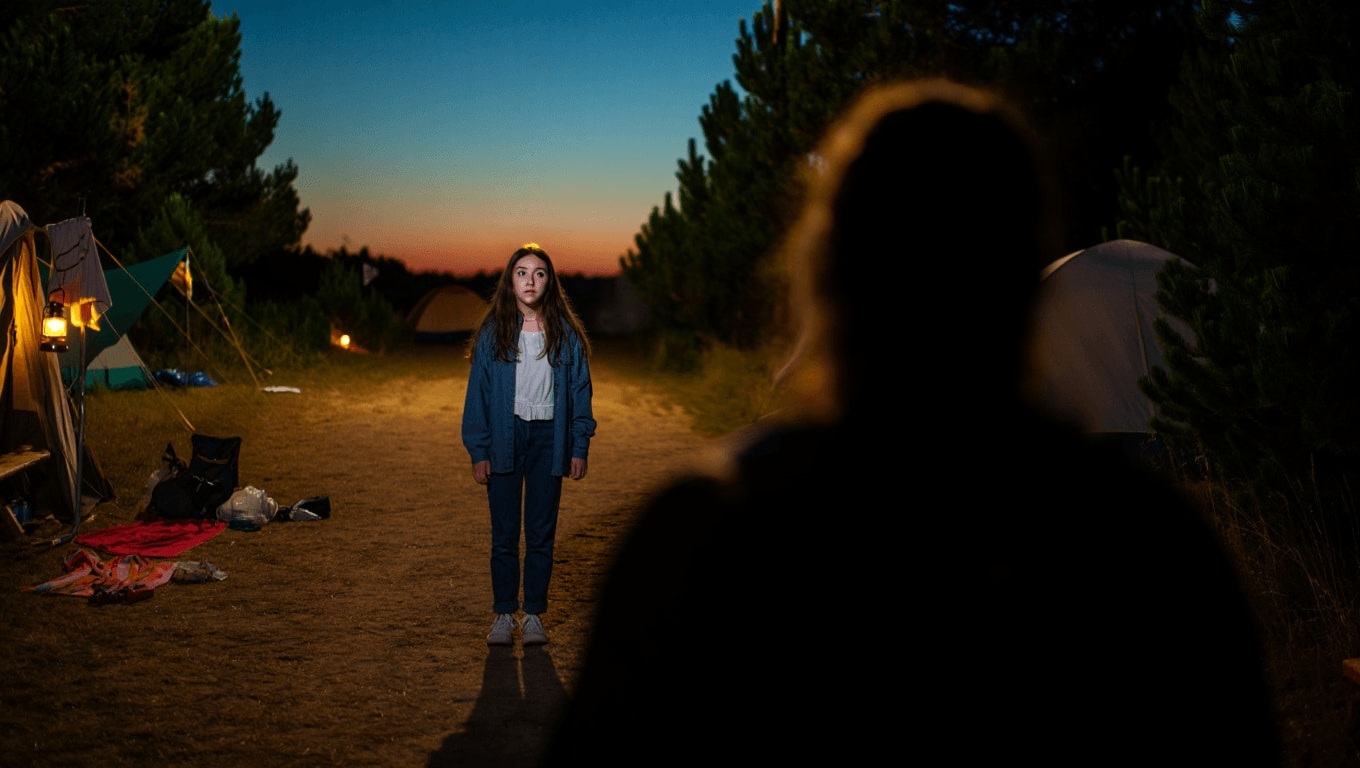
At Cannes this year, Jane Schoenbrun’s Teenage Sex and Death at Camp Miasma arrived like a fever dream from the golden age of slasher films, reworking familiar scares into a queer, self-aware riff. The film matters now because it uses nostalgia not as comfort, but as a lens to examine who gets to survive — and how representation changes the genre’s old assumptions.
Schoenbrun assembles a deliberately retro vocabulary: wood-paneled cabins, VHS-era fuzz, and an affectionate catalog of junk-food comforts that signal the film’s adolescent obsessions. But beneath the retro sheen is a pointed project: the film interrogates the slasher cycle that defined horror in the early 1980s while directly engaging with one of its most controversial entries, Sleepaway Camp, whose finale has long been debated inside and outside LGBTQ+ communities.
The movie opens with an inventive rundown of a fictional franchise, the Camp Miasma series, showing how the original shock hit became franchise fodder — sequels steeped in gimmicks, tie-in merchandise, and diminishing returns. That history sets the stage for the present: Kris, a young non-binary director and indie darling, is hired to reboot the property. They accept the job for political reasons and to challenge studio tokenism, but also because the films shaped their inner life.
Kris’s attempt to reclaim the story leads them to track down Billy Presley, the former star who retreated from fame. Played with unsettling charisma by Gillian Anderson, Billy lives in the eerie ruins of the original filming location, a deserted camp that still screens the first movie. Meeting her jolts Kris: the encounter is at once worshipful and disorienting, as long-buried feelings about desire and identity resurface while the two watch the old print together.
From that point the film loosens its grip on realism. A local urban legend — the metal-masked killer known as Little Death — seems to leak from celluloid into the waking world. Schoenbrun stages the collision of film and life with sly, sometimes unsettling humor: a disastrous pitch session over Zoom tips into the uncanny, and fantasy sequences bloom within domestic scenes. The result is part meta-slasher, part psychological odyssey.
Hannah Einbinder’s performance as Kris anchors the movie’s emotional throughline. She negotiates vulnerability and determination as Kris contends with the possibility of becoming the genre’s archetypal survivor, the Final Girl, while also confronting how that role has been gendered and weaponized in previous decades. Under Schoenbrun’s direction, the film treats gore and romance with equal seriousness, making violence and longing feel braided rather than oppositional.
Fans of Lynch and Cronenberg will recognize the film’s appetite for dream logic and bodily metaphors, but Schoenbrun keeps the scenes emotionally specific rather than purely abstract. The narrative resists tidy answers: desire is messy, identity is provisional, and the act of reclaiming a story can both heal and unsettle.
- Title: Teenage Sex and Death at Camp Miasma
- Festival: Cannes — Un Certain Regard
- Distributor: Mubi
- Director-writer: Jane Schoenbrun
- Key cast: Hannah Einbinder, Gillian Anderson, Patrick Fischler, Eva Victor, Dylan Baker
- Running time: 1 hr 46 mins
The film’s urgency comes from its timing: in an era when mainstream studios court diverse voices for optics, Schoenbrun delivers an actual reimagining rather than a cosmetic update. For viewers, the stakes are both aesthetic and political — this is about who gets empathy and who is allowed to narrate their own fear. It’s a revival of slasher tropes that is as much about longing and identity as it is about jump cuts and practical effects.
Teenage Sex and Death at Camp Miasma is not a comfortable nostalgia trip. It insists that the past be interrogated, and that horror’s traditions can be repurposed to reflect contemporary conversations about gender, desire, and power. Whether audiences come for the scares, the performances, or the clever intertextuality, Schoenbrun’s film stakes a claim: the slasher can survive its history by changing who holds the camera.
Similar Posts
- Cannes audience rises in nine-minute ovation for Teenage Sex And Death At Camp Miasma
- Cannes film festival 2026: what Deadline’s critics thought of every new film
- Cotton Eye Joe starts shooting with Bill Moseley, Sean Gunn: SC Films opens TIFF sales
- Horror movie poised for record-breaking box office debut
- Deadline live from Cannes 2026: exclusive interviews and film market coverage

Hello, I’m Declan. I share my film reviews and discoveries with you to enrich your moviegoing experience.