
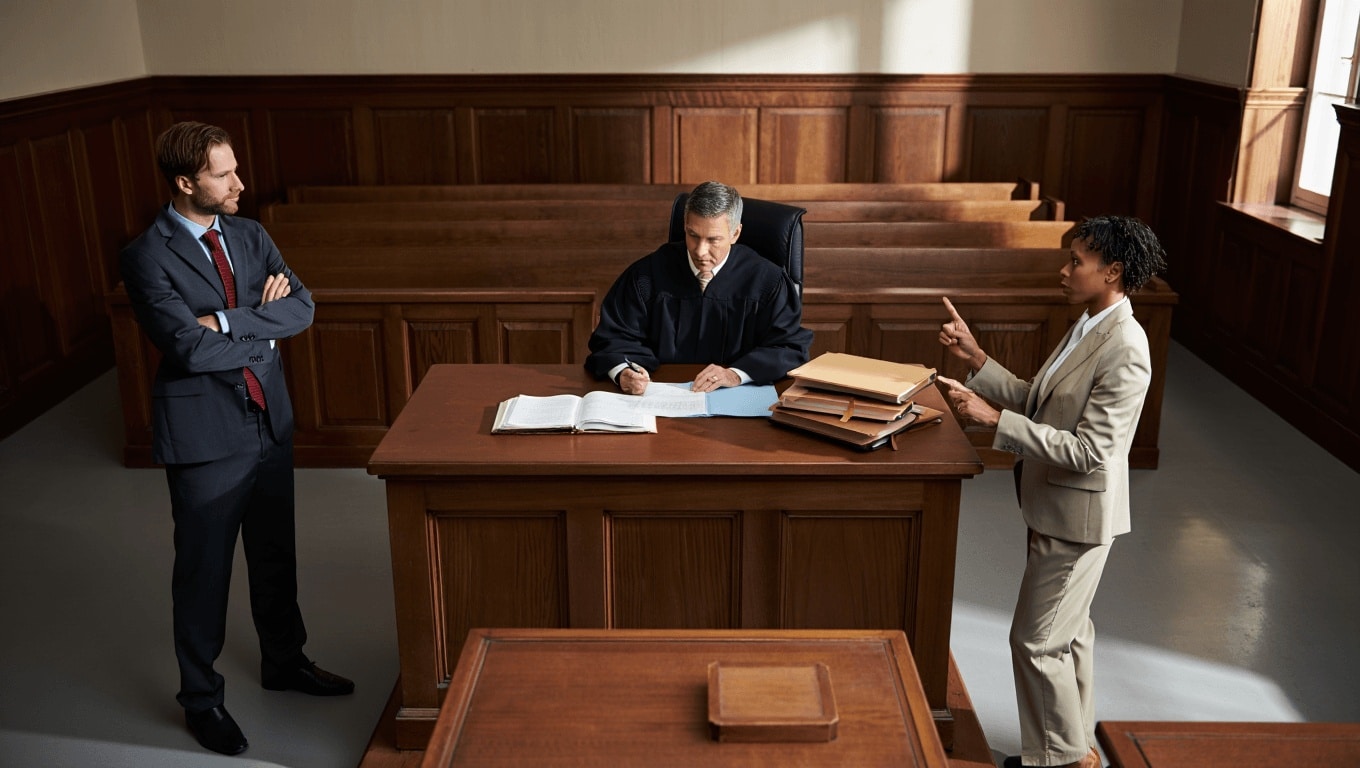
The fate of Paramount Skydance’s proposed tie-up with Warner Bros. Discovery is set to be argued in court this week, with a judge in Oakland County hearing motions over a request for a temporary restraining order that could stall the planned $110 billion deal. The litigation has immediate consequences for jobs, theatrical releases, cable networks and the balance of power in streaming—issues that make the hearing more than a procedural skirmish.
Paramount, run by David Ellison, responded to the state-led challenge by calling the AGs’ bid to block the merger “one of the weakest merger challenges in modern antitrust history,” arguing the combination would enhance competition and benefit consumers. The plaintiffs — a group of a dozen state Attorneys General led by California’s Rob Bonta — filed the antitrust suit in the U.S. District Court for the Northern District of California on Monday; a hearing is scheduled for Friday.
Paramount’s case: growth, content and competition
In its opposition to the restraining order, Paramount says the transaction is designed to expand production and attract investment into film and television, which the company says will support jobs and increase the number of theatrical releases. The filing stresses that the merged business would be better positioned to challenge market leaders such as Netflix, Amazon and Disney.
Paramount also pointed out that the deal already has approval from the U.S. Department of Justice and most other regulators, and that the Ellison family expected to complete the closing in the third quarter. The company warned that any TRO or preliminary injunction would defer those plans and could slow planned investment.
What the states allege
The coalition of state attorneys general argues the merger would reduce competition and harm consumers, concentrating market power in key areas of the business. Their complaint zeroes in on three allegedly affected markets: wide theatrical distribution, big-budget “blockbuster” films, and cable networks.
- Plaintiffs’ central claim: Combining Paramount and WBD would give the merged firm excessive leverage in theatrical chains, movie production and cable carriage, potentially leading to higher prices and less choice.
- Paramount’s rebuttal: The company says the AGs used what it called gerrymandered market definitions, and that measured competition will remain robust because rivals can expand quickly.
- Rivals cited: Paramount pointed to a wide set of competitive players — Universal, Disney, Amazon MGM, Sony, Lionsgate, A24 and Neon — as evidence that barriers to scale are low.
- Streaming point: Although streaming is not the subject of the lawsuit, Paramount argues the deal would help it close the gap with larger streaming platforms and spur content investment.
Paramount also disputed the states’ analysis of cable networks, saying the two companies’ channel lineups are largely complementary rather than direct substitutes — a distinction that matters for antitrust evaluation of market concentration.
Parallel legal fights cloud the timetable
The company is defending multiple legal challenges beyond the state suit. A Paramount shareholder filed a derivative complaint this week targeting the Ellisons and the studio’s board. The Writers Guild of America brought its own suit aiming to block the merger, and an earlier case filed by a group of Paramount+ subscribers has another hearing today.
Judge Araceli Martinez-Olguín was assigned to the states’ case this week, replacing a different judge.
The accumulation of litigation raises the risk that, even if regulators have signed off, judicial rulings could delay or alter the proposed consolidation.
Why the outcome matters now
If a court grants a restraining order or injunction, closing could be postponed, affecting production schedules, employment and theatrical release plans across the industry. If the court rejects the request, the companies could move ahead, reshaping lineup negotiations with theaters and the competitive structure among major streaming platforms.
In its filing, Paramount urged the court to deny the AGs’ motion, reiterating that the merger would be procompetitive and deliver benefits to consumers and the industry. The hearing Friday will be the first judicial test of that assertion and could determine whether the deal proceeds on schedule or is forced into a longer legal fight.
Similar Posts
- Block the Merger coalition files legal request to oppose Paramount–Warner Bros. deal
- Block the Merger coalition asks court to reject Paramount settlement with states
- Paramount rebuffs leak claims over talks with California AG: ready to resume good-faith talks
- California AG Bonta backs structural fixes in Paramount-WBD case: calls 30-film pledge outdated
- Live Nation, DOJ agree to settle antitrust suit: what it means for ticket prices

Hello, I’m Declan. I share my film reviews and discoveries with you to enrich your moviegoing experience.