
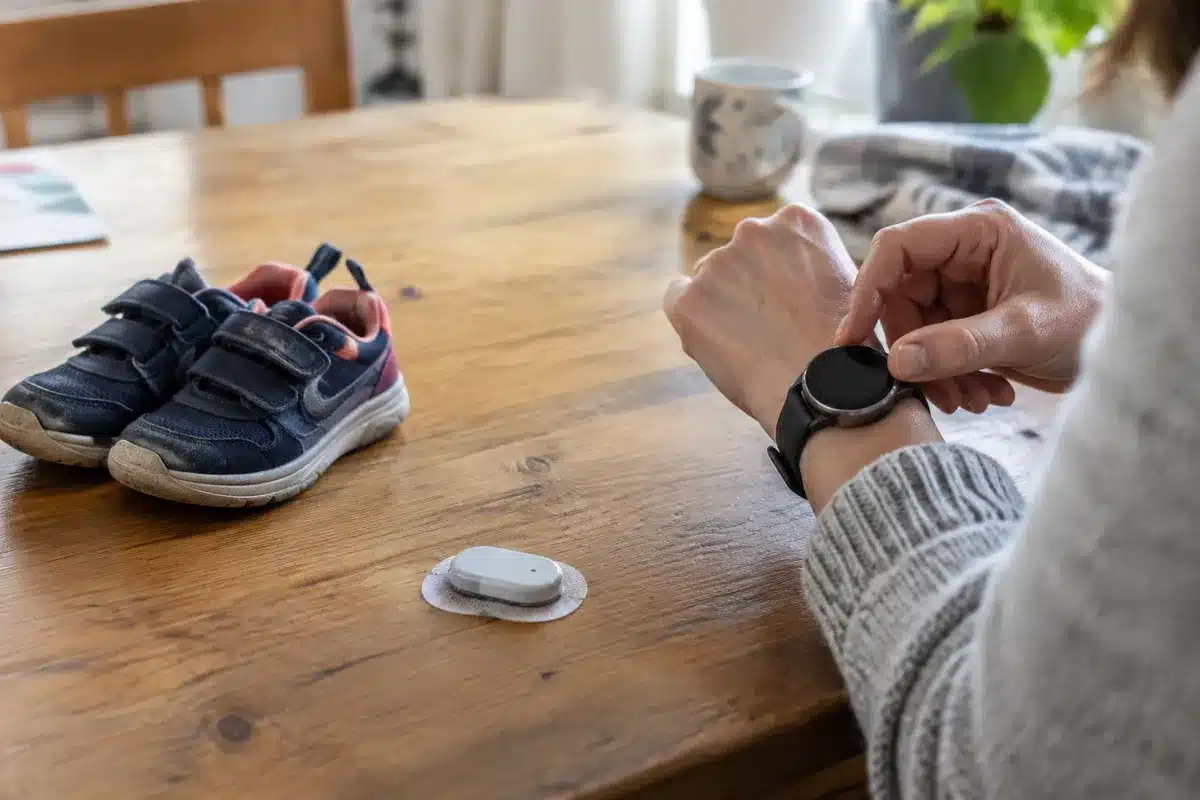
Lance Bass says a diabetes diagnosis has reshaped how he and husband Michael Turchin raise their five-year-old twins, Violet and Alexander — and prompted him to rethink his own care. Diagnosed during the COVID-19 era and later reclassified, Bass now describes daily diabetes management as part of family life and a lesson he hopes his children will carry into adulthood.
Bass shared his reflections as part of Dexcom’s “A Letter to Diabetes” campaign, explaining that his initial diagnosis of Type 2 diabetes did not fully fit his experience. After pushing for further testing, he learned he has latent autoimmune diabetes in adults — commonly called LADA or Type 1.5 — a form of adult-onset autoimmune diabetes that combines features of both Type 1 and Type 2.
The reclassification has practical consequences. Bass says monitoring glucose, adjusting medications and living with the daily demands of the condition are now woven into his routine, whether he’s on stage, at work or chasing after the twins. He also emphasizes the emotional side: being open about health, asking for help and modeling self-care for his children.

Experts, including the International Diabetes Federation, note that LADA typically progresses more slowly than classic Type 1 diabetes but shares autoimmune roots and can be mistaken for Type 2 at first. That diagnostic gray area can delay appropriate treatment and change the long-term plan for insulin use and monitoring.
For readers, Bass’s account highlights two clear takeaways: accurate diagnosis matters for treatment, and visible self-care can influence a family’s approach to health.
| Characteristic | Type 1 | Type 2 | LADA (Type 1.5) |
|---|---|---|---|
| Typical onset | Childhood or adolescence | Adulthood, often linked to weight/lifestyle | Adulthood, autoimmune but slower onset |
| Underlying cause | Autoimmune beta-cell destruction | Insulin resistance | Autoimmune process with gradual progression |
| Treatment trend | Early insulin dependence | Lifestyle, oral meds, may progress to insulin | May start like Type 2 but often requires insulin later |
Bass also described the community he has found since his diagnosis. He noted that diabetes introduces a new vocabulary — from continuous glucose monitors and **trend arrows** to conversations about **time in range** — and that peer connections have been important for practical tips and emotional support.

The singer framed his public sharing as a way to encourage others to ask questions, seek second opinions and not feel isolated. He said he hopes his openness helps even a single person feel empowered to advocate for their care or to be less alone in the experience.
Whether as a reminder about diagnostic complexity or as a personal portrait of how chronic disease can alter family life, Bass’s message centers on visibility and responsibility: managing a long-term condition is both a medical task and a lesson he wants his children to learn by example.
Similar Posts
- Friends star’s daughter diagnosed with bone cancer: family faces long fight
- Phil Collins recounts near-death struggle with alcoholism: warns fans to seek help
- Amanda Peet breast cancer news sparks flood of support and concern
- Tatum O’Neal’s son breaks silence: how her addiction shaped his life
- Real Housewives of Orange County: former cast member announces cancer battle

Hello, I’m River. I inform you about the latest pop trends and viral buzz to feed your curiosity.