

Phil Collins says a winter hospital stay nearly cost him his life after what he describes as severe, alcohol-related organ failure late last year. The 75-year-old musician now says doctors debated whether to place him on life support, and he has not had a drink since that episode—an announcement that shifts attention to both his health and his musical legacy as he approaches a solo Rock Hall induction.
Collins told The Sunday Times that he was hospitalized in late 2023 with multiple organs failing and that his family feared the worst. He recalls waking with little memory of that period; medical staff were reportedly preparing for the possibility of extended life support while relatives gathered.
He connects the crisis to alcohol use and has described the outcome as a narrow escape. “They were talking about whether to keep me on life support,” he said, according to the interview, adding that he’s been sober since leaving hospital.
Health problems beyond the hospital
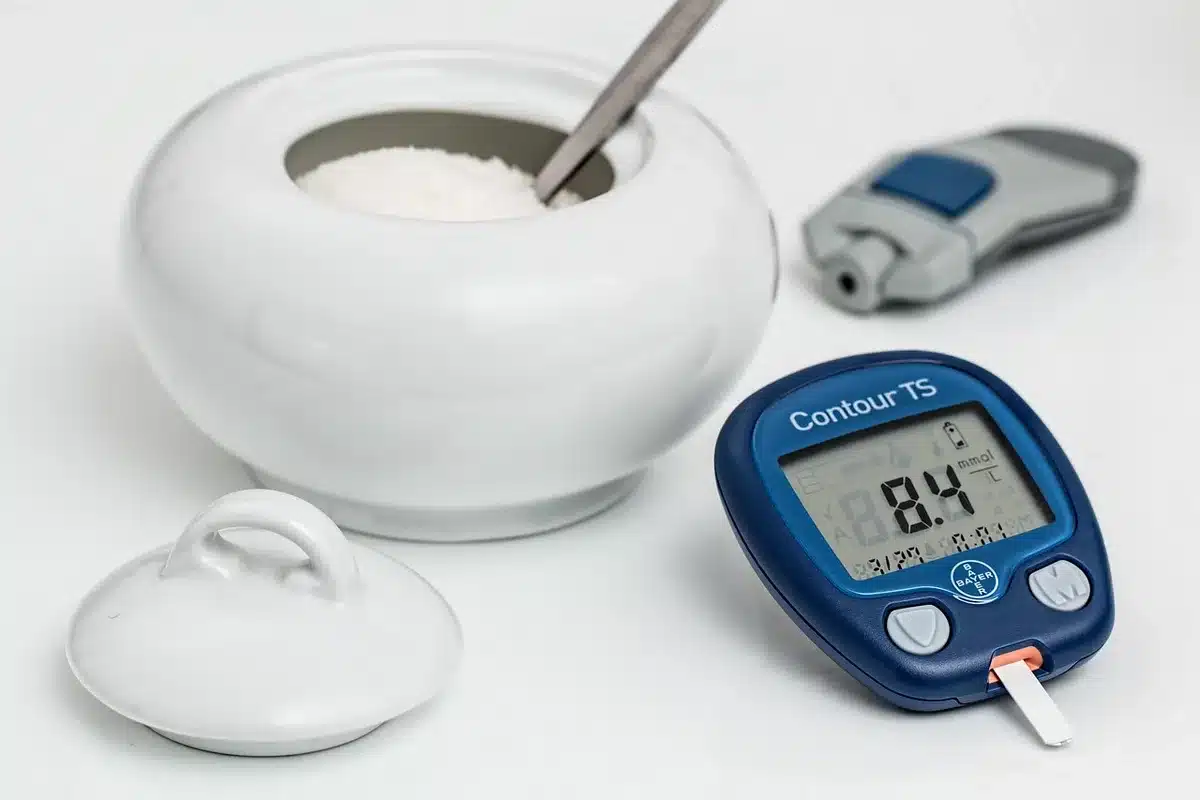
His medical history in recent years has been complex. In 2017 Collins revealed a diagnosis of Type 2 diabetes, and more recently he acknowledged needing 24-hour care at home. Physical limitations have also affected his performance: during Genesis’s March 2022 show he sat out drumming duties and his son, Nick Collins, stepped in.
Collins has previously explained that nerve damage and other issues make it difficult for him to hold drumsticks the way he once did. That loss of mobility has altered how he appears on stage and influenced the scale of any future live appearances.
- Late 2023 hospitalization: multiple organs affected; doctors discussed life-support options.
- Recovery stance: Collins reports he has stopped drinking since the episode.
- Chronic conditions: diagnosed with Type 2 diabetes in 2017; requires round-the-clock care.
- Performance limits: no longer able to grip drumsticks reliably; son Nick has filled in on drums.
- Career highlights: roughly 150 million records sold, eight Grammys, an Academy Award and two Golden Globes.
- Honors: inducted into the Rock & Roll Hall of Fame with Genesis (2010); set for a solo induction in November 2026.
For fans and the music industry, Collins’s disclosure matters for a few reasons. It reframes expectations about future performances and tours, highlights the health pressures many aging artists face, and puts a public spotlight on the long-term consequences of heavy alcohol use combined with chronic disease.
What comes next
Collins’s planned solo induction into the Rock & Roll Hall of Fame later this year will likely renew public interest in his catalog and personal story. While the honor cements his influence across pop and rock music, the announcement of his health scare and subsequent sobriety reframes the conversation around his legacy—shifting some attention from chart records to his resilience and current wellbeing.
Medical experts caution that organ recovery after severe alcohol-related damage can be slow and incomplete, especially when compounded by diabetes and age. For listeners, that means major new tours or extended live commitments are unlikely in the near term; for the artist, the focus appears to be on recovery, stability and managing long-term care.
Collins’s career achievements remain substantial—hits such as “In the Air Tonight,” “Another Day in Paradise” and “You’ll Be in My Heart” are staples of late-20th-century pop—but the recent revelations underscore an immediate, human story: a prominent artist confronting the health consequences of past choices while stepping away from alcohol and into a period of recuperation.
Similar Posts
- Christina Applegate stable and improving after extended four-month hospital stay
- Lead singer’s gay revelation rocks fans: wife issues first public statement
- Pawn Stars star rushed to hospital for emergency heart surgery
- Friends star’s daughter diagnosed with bone cancer: family faces long fight
- Nineties band drummer and wife expand family with newborn daughter

Hello, I’m River. I inform you about the latest pop trends and viral buzz to feed your curiosity.