
Hirokazu Koreeda’s latest film, Look Back, premiered this year in Venice and finds the Palme d’Or winner revisiting familiar territory while testing new formal limits. An adaptation of Tatsuki Fujimoto’s manga, the movie reframes friendship, creative rivalry and grief through the particular rhythms of making comics — and signals where one of Japan’s most watchable directors is headed next.
From family dramas to manga pages
Koreeda has long been associated with intimate portraits of domestic life — think Still Walking and the Cannes-winning Shoplifters — yet his filmography resists easy categorization. Over the past decade he has moved between realist family stories and experiments in genre and setting: a sentient inflatable in Air Doll, a courtroom puzzle in The Third Murder, and recent excursions to France and Korea for films such as The Truth and Broker.
Look Back continues that unpredictability. Built from a compact manga by Fujimoto Tatsuki, it centers on two young creators whose collaboration and rivalry alter the course of their lives. Rather than expanding the original with elaborate plot detours, Koreeda deliberately preserved the manga’s economy while finding cinematic equivalents for the medium’s pace and tone.
Adapting comics: sound, timing and the back of the artist
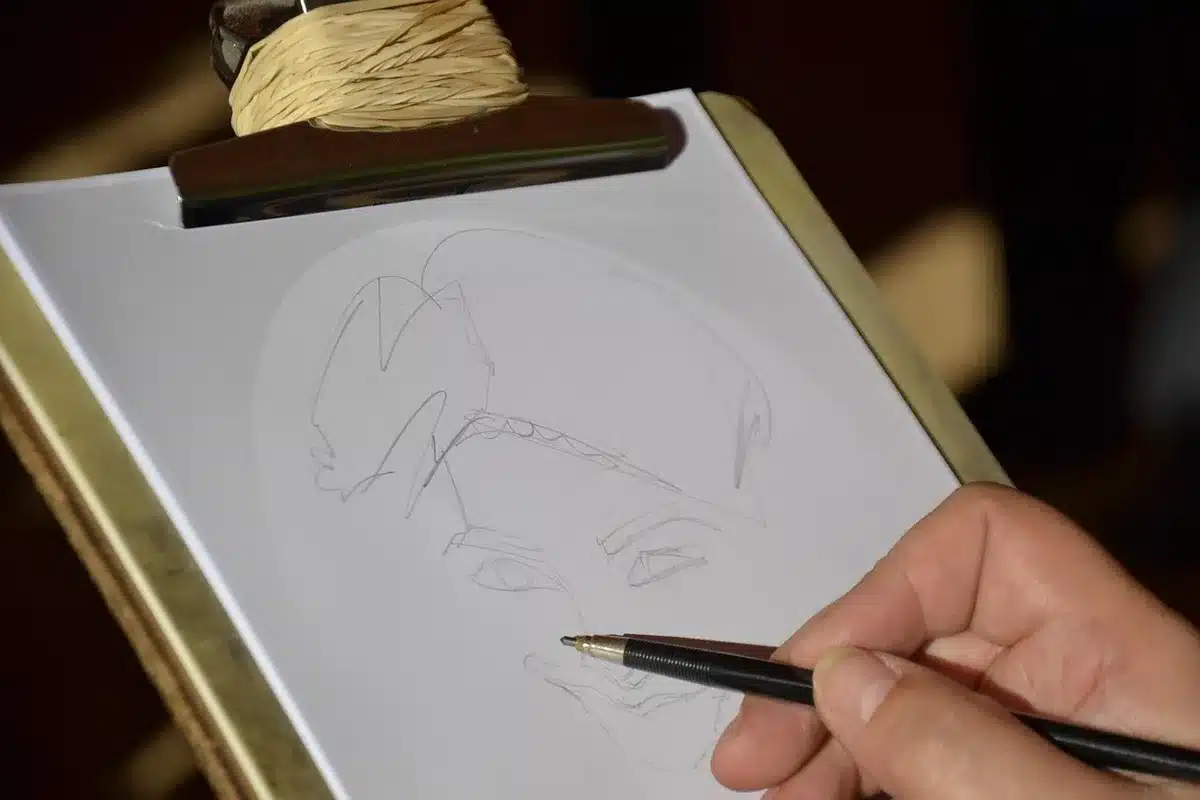
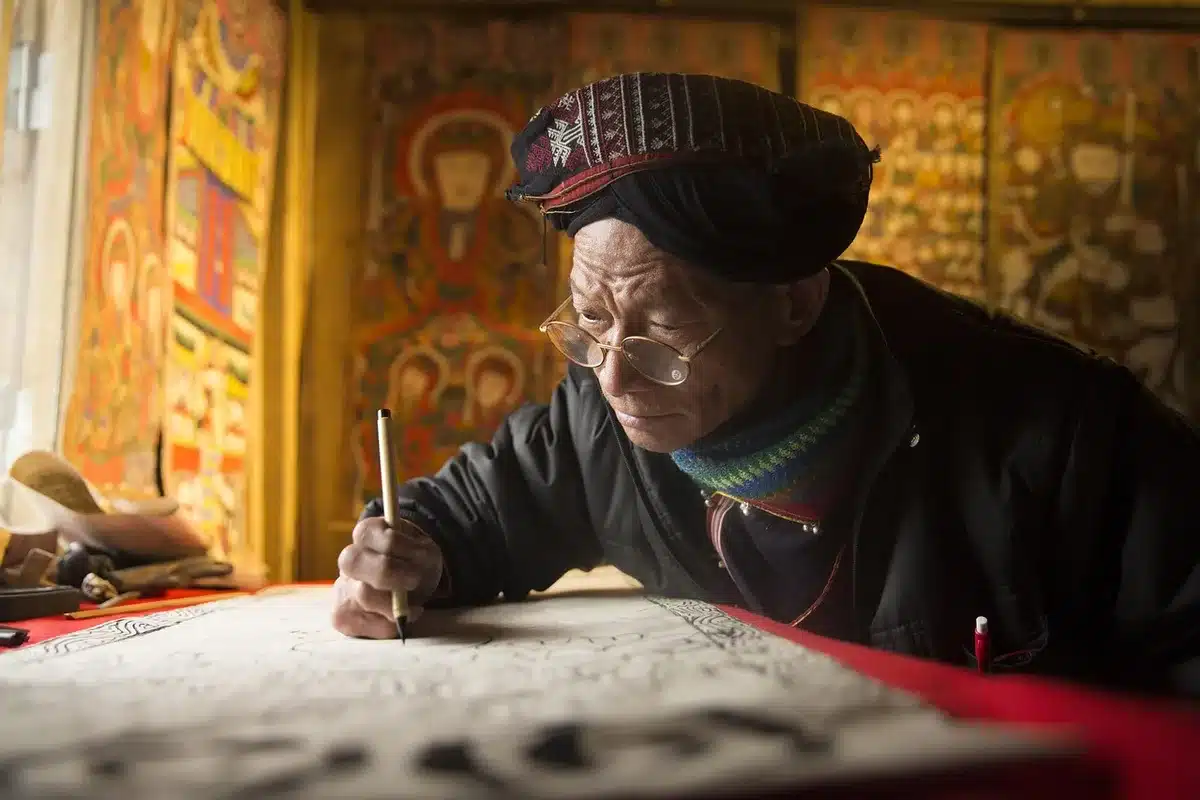
Rather than treating the printed frame as a blueprint for camera placement, Koreeda looked for cinematic ways to reproduce the rhythm of reading. He says he was struck by how the act of drawing — the tapping of a pen, the confidence in a line — carries meaning in manga, and he built the film around that sensory idea. In practice this meant leaning on sound design and sustained images of the artist at work: the slow, hesitant scratch of first attempts, then the accelerating cadence of two creators collaborating.
The director also met Fujimoto and a professional manga assistant during preparation. Those conversations shifted his focus from visual mimicry to translating the craft’s musicality — the audible patterns that signal skill and emotional state.
Casting, chemistry and the trick of growing up on screen
One central challenge was showing the characters’ passage from childhood into adolescence without jarring the viewer. Koreeda avoided relying on mere physical resemblance between younger and older actors. Instead he cultivated a rapport among the four actresses — two pairs playing each character at different ages — and tuned performances around a dynamic he likens to baseball: a pitcher and a catcher exchanging rhythm and focus.

The result is a seamless sense of maturation: the audience watches personalities deepen rather than merely noting a chronological jump.
- Source: Adapted from Tatsuki Fujimoto’s manga; Koreeda met the author during project development.
- Technique: Emphasis on sound and the physical act of drawing to recreate manga’s rhythm on film.
- Casting: Four actresses trained to share a consistent emotional dynamic across ages.
- Production: Shot across seasons to match the story’s temporal arc; filmed in parallel with Koreeda’s other project, Sheep in the Box.
- Themes: Creative despair and renewal, legacy, friendship, and the rewriting of memory.
Faithfulness without mimicry
Koreeda resisted the impulse to swap genders or otherwise alter the manga’s protagonists. He explains that the two central characters embody different facets of the author’s imagination, and that keeping them as written preserved the story’s internal logic and distance. Rather than inventing new plotlines, Koreeda modestly expanded background figures — parents, teachers, an editor — to allow audiences to project their own perspectives onto the girls’ lives.
Mid-film, the narrative takes a destabilizing turn: reality and an imagined alternative blur, producing a rewind-like sequence that forces viewers to re-evaluate what they have seen. Translating that formal leap from drawn panels to live action taxed Koreeda’s craft — but it was precisely the complexity of that ambiguity that attracted him to the project.
Where this fits in Koreeda’s arc — and what comes next
Look Back arrives at a moment when Koreeda is more restless than reductive. He continues to be compared to masters like Yasujirō Ozu — mainly for thematic sympathy, not stylistic mimicry — yet his recent choices show a director comfortable moving between moods and formats. Working on two films concurrently is not new for him; seasonal shooting and alternating projects have been part of his process for years.
Koreeda also spoke of the creative debt he feels to critics, collaborators and performers who encouraged him early on — figures now deceased whose presence he describes as a motivating legacy rather than a burden. That sense of being watched over informs Look Back’s meditation on carrying others forward through art.
Looking ahead, Koreeda is writing a new script and has two ambitions: to work outside Japan in a non-Japanese language, and to return to his homeland to tackle historical material about Japan’s wartime experience. He also expressed an interest in trying his hand at a different strain of horror, inspired by classical Japanese ghost cinema, though he says his recent flirtations with fantasy have been more incidental than programmatic.
For readers and cinephiles, Look Back matters because it places a celebrated realist filmmaker inside a contemporary manga narrative and asks what creativity, loss and mentorship look like when the page is translated into motion. The film is both a study of two young artists and a broader reflection on the responsibilities that older creators carry — a timely conversation as manga adaptations continue to shape global screens.
Similar Posts
- Best of the Best stars Maitreyi Ramakrishnan and Priyanka Kedia say the film echoes
- Titan Comics drops January 2027 slate: Conan returns in a wave of new titles
- Red 5 Comics unveils June 2026 lineup: new series explores a world where everyone ages overnight
- Two Shell drops Infinite Now: new album hits streaming platforms
- Spider-Man’s midnight story redefines its message: power corrupts even heroes

Hello, I’m Declan. I share my film reviews and discoveries with you to enrich your moviegoing experience.