
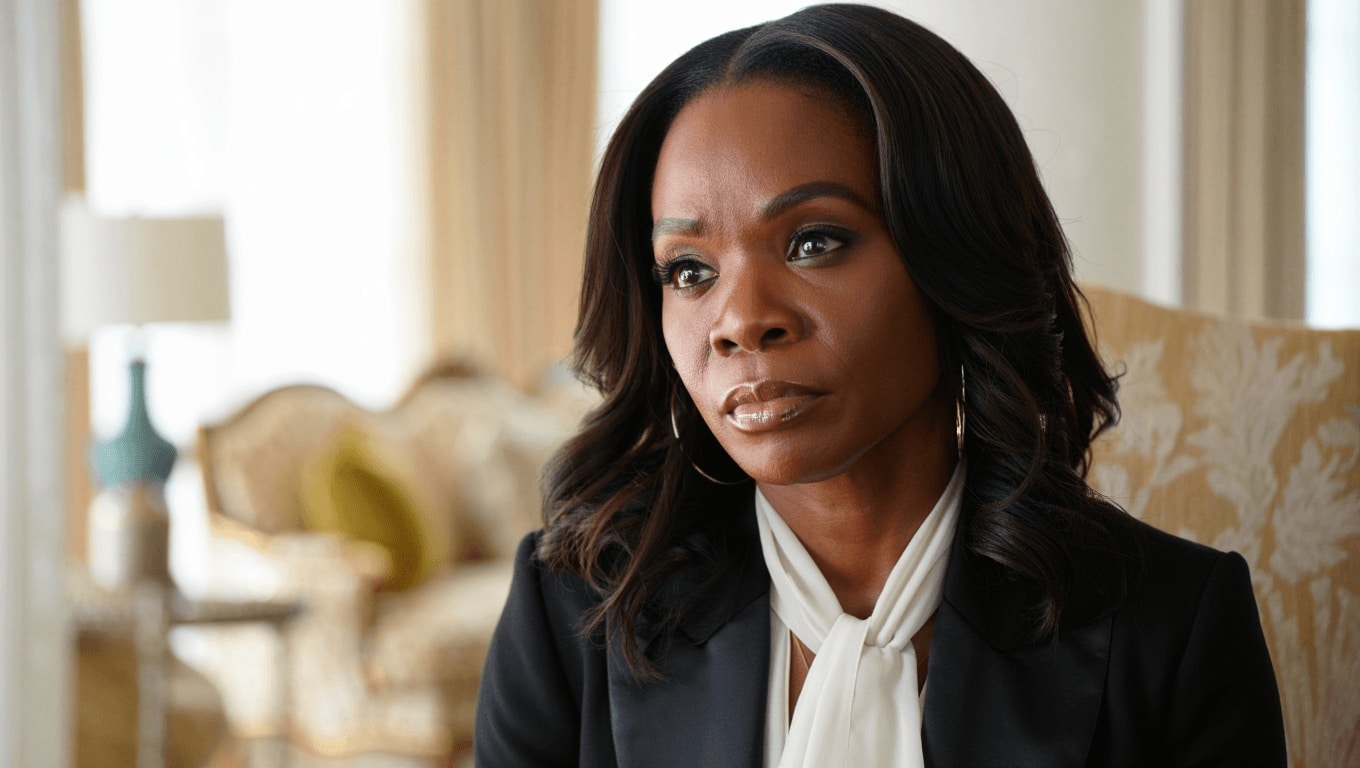
Cynthia Bailey says the glamour viewers saw on early episodes of The Real Housewives of Atlanta masked painful money problems behind the scenes. In a recent episode of her Humble Brag podcast she revisited Season 3 — the year that followed her engagement to Peter Thomas — and described how financial strain shaped everything from her wedding to what she wore on camera.
Bailey’s account offers a reminder that reality TV can be as much about managing appearances as it is about real income. She told co-host Crystal Minkoff that cast members face intense pressure to project wealth, even when the household ledgers tell a different story.
When the closet replaced a credit line
Bailey said that while the show tracked the couple’s wedding plans, their finances were precarious. With Thomas’s supper club closed and money tight, she relied on a mix of existing designer pieces, secondhand finds and discount-store purchases to keep her on-screen wardrobe polished.
Her strategy, she explained, was practical: reuse what worked, shop smart when needed and choose looks that read well on camera. She also admitted the couple navigated formal debt issues during that period, including a bankruptcy filing and unfinished vendor bills after the wedding.
What sounded like a small styling choice — favoring darker outfits — was in part a budget tactic. Bailey said wearing simpler, darker clothing helped conceal the difference between high-end and budget items during filming.
Why this matters now
As reality programming continues to influence fashion and lifestyle trends, Bailey’s revelations highlight a few immediate takeaways for audiences and anyone watching social media carefully:
- Reality TV vs. reality: On-screen luxury does not always reflect private finances.
- Appearance pressure: Cast members often feel obliged to maintain a certain image to satisfy viewers and producers.
- Financial vulnerability: Personal debt and income fluctuations can affect decisions from event planning to daily life.
- Viewer perception: Fans should temper assumptions about celebrities’ wealth based solely on televised appearances.
Bailey’s story also underscores a broader pattern within unscripted television: production value and perceived affluence can demand real spending from participants, sometimes at the expense of their financial stability. Minkoff’s comments about the expectation to “show wealth” echo a frequent industry observation — audiences are drawn to aspirational visuals, not financial hardship.
For people who follow celebrity fashion or base lifestyle aspirations on reality stars, these disclosures serve as a caution. The curated image presented in episodes is often the result of careful cost management, sponsorships, or personal trade-offs that viewers don’t see.
In short, Bailey’s podcast conversation reframes a memorable season of RHOA as a period in which managing money mattered as much as managing image — a reality check that remains relevant for anyone watching how fame and finances collide on screen.
Similar Posts
- Baylen Out Loud season 3 arrival date confirmed: fans can mark their calendars
- Dolores Catania skips RHORI reunion: insiders reveal why
- Regé-Jean Page rejects claims rom-coms are dead: why he chose You, Me & Tuscany
- Hit series calls it quits: run ends at 44 episodes
- Grey’s Anatomy saved from ending: ABC orders 23rd season

Hello, I’m River. I inform you about the latest pop trends and viral buzz to feed your curiosity.