
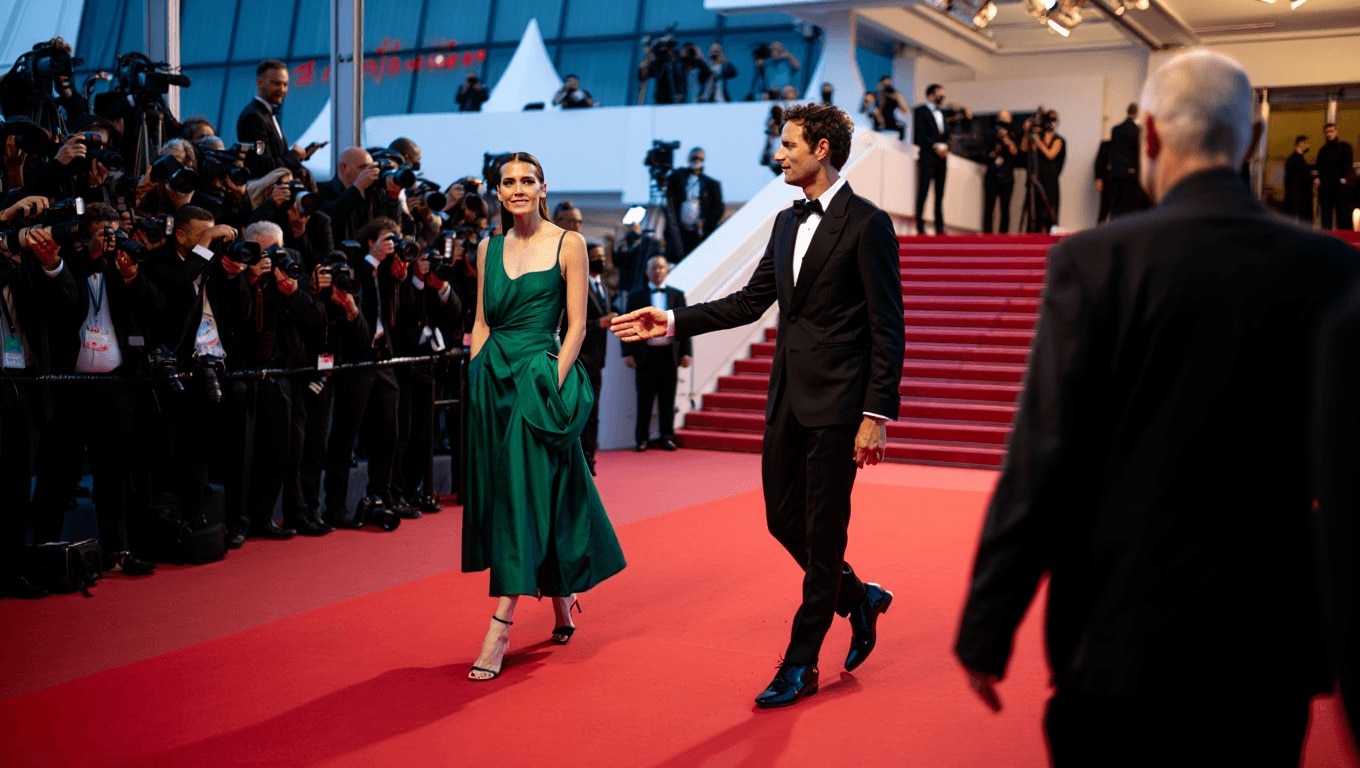
The 2026 Cannes Film Festival opened in May with Pierre Salvadori’s breezy romance The Electric Kiss, and a lineup that makes clear the Croisette remains the place where auteur filmmaking and commercial cinema collide. This year’s selection leans into urgent subjects—migration, identity and genre reinvention—while offering crowd-pleasing escapes and formally adventurous work that distributors and audiences will be watching closely.
Veteran names and festival favorites populate the slate: former Palme d’Or winners and internationally respected directors bring new projects, and established auteurs such as Pedro Almodóvar, Cristian Mungiu, Hirokazu Kore-eda, Asghar Farhadi, Nicolas Winding Refn and Paweł Pawlikowski join a diverse program. Several films arriving in Cannes now have immediate relevance for global audiences, whether for their political resonance or their potential box-office and awards trajectories.
Highlights and early reactions
Below are concise impressions of notable premieres and special screenings that have shaped the first days of the festival. These notes emphasize what each film may mean for viewers, programmers and the market.
- Ashes (Diego Luna) — A Mexico–Spain drama adapted from Brenda Navarro that centers a young woman’s attempt to reunite her family. The film frames migration as a human tragedy and complicates assumptions about shared language easing integration, anchored by a striking lead performance.
- Butterfly Jam (Kantemir Balagov) — A moody family drama about fractured masculinity; strong acting but a storyline that leaves some narrative threads unresolved.
- The Electric Kiss (Pierre Salvadori) — A light, character-driven French rom-com that mixes grief with reinvention, aimed at audiences seeking warmth and nuance rather than provocation.
- Nagi Notes (Kōji Fukada) — Slow, visually composed work that reveals its themes gradually; notable for an unexpectedly tender, affirmative treatment of LGBT+ characters.
- Teenage Sex and Death at Camp Miasma (Jane Schoenbrun) — A midnight‑movie homage to ’80s slasher films that flips the genre’s typical gaze, balancing horror textures with an oddball romantic core.
- A Woman’s Life (Charline Bourgeois‑Tacquet) — A quietly powerful portrait anchored by a commanding central performance; not flashy but emotionally steady.
What critics and audiences are noticing
The festival’s early buzz centers on two dynamics: filmmakers returning to personal storytelling after years of global upheaval, and genre filmmakers who are reworking familiar formulas. Diego Luna’s Ashes has been singled out for treating migration as intimate family drama rather than policy polemic, while Jane Schoenbrun’s Camp Miasma has drawn attention for retooling slasher conventions through a female-led, queer perspective.
For market watchers, Pierre Salvadori’s opening-night slot signals confidence in a mid-budget European crowd-pleaser—films like this often find easy sales in international territories. At the same time, competition titles such as Nagi Notes demonstrate that Cannes still prizes deliberate, auteur-driven cinema that rewards patient viewing.
Why these premieres matter beyond Cannes
Festival premieres shape the year in three concrete ways: they set critical narratives that follow films into awards season, influence distribution deals and programming strategies, and reflect shifting cultural conversations. A film that treats migration with nuance, for example, can change how distributors pitch it to different regions; a successful genre reinvention can quickly generate viral interest and midnight‑showcase screenings.
In short: what plays well here often becomes the talking point for catalogs, curators and cinemas worldwide over the next 12 months.
Selected festival entries — quick reference
| Title | Section | Director | Why it matters |
|---|---|---|---|
| Ashes | Special Screenings | Diego Luna | Personal migration story that challenges assumptions about language and belonging. |
| Butterfly Jam | Directors’ Fortnight | Kantemir Balagov | Intense family drama with strong lead actor work; narratively unresolved for some viewers. |
| The Electric Kiss | Out of Competition | Pierre Salvadori | Accessible rom-com that blends melancholy and levity—sales-friendly. |
| Nagi Notes | Competition | Kōji Fukada | Slow-burning, visually attentive film with an empathetic queer storyline. |
| Teenage Sex and Death at Camp Miasma | Un Certain Regard | Jane Schoenbrun | Bold genre play that reclaims slasher tropes through a subversive lens. |
| A Woman’s Life | Competition | Charline Bourgeois‑Tacquet | Character-driven drama anchored by a standout central performance. |
Early takeaways
Cannes 2026 so far suggests a festival in conversation with the world’s anxieties—migration, identity politics and cultural memory—while still offering entertainment that aims to restore faith in cinema’s capacity to console. Expect buyers to look for titles that balance festival cachet with clear audience hooks.
Over the coming days the program will sharpen: awards contenders will emerge, distribution deals will be announced, and a few surprise crowd-pleasers could shift the tone. For readers and cinephiles, the immediate payoff is straightforward: these premieres offer a snapshot of what international cinema thinks is urgent and what it believes can still move large audiences.
Key terms: migration, slow cinema, genre reinvention.
Similar Posts
- Cannes audience rises in nine-minute ovation for Teenage Sex And Death At Camp Miasma
- Deadline live from Cannes 2026: exclusive interviews and film market coverage
- Sarajevo Film Festival sees more female directors: director pledges stronger filmmaker ties
- Elephants in the Fog, Cannes jury-prize winner, is sold internationally to Best
- Oscar predictions 2027: Telluride reshapes Best Picture race as TIFF lines up

Hello, I’m Declan. I share my film reviews and discoveries with you to enrich your moviegoing experience.