
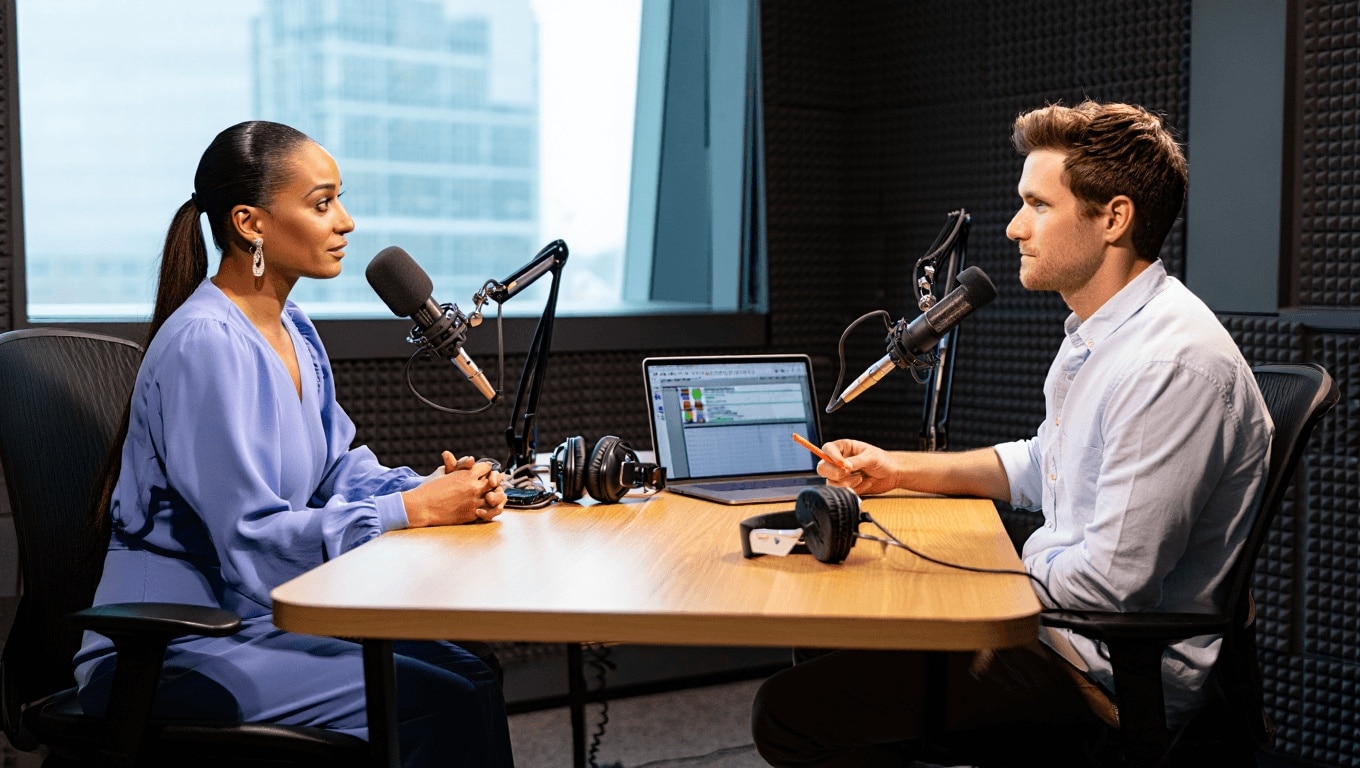
After less than two years on the air, the relationship podcast Starter Marriage is closing its run — its hosts say the show never reached sustainable revenue and will stop after 44 episodes. The decision, revealed by co‑host Allison Raskin on Substack and social media this week, underlines how even well‑reviewed niche podcasts can struggle to find a paying audience.
Why the show ended
Raskin and co‑host John Blakeslee launched Starter Marriage to explore contemporary marriage from multiple perspectives, but the project did not produce enough income to continue. According to Raskin, the series yielded only about $2,000 in profit over roughly ten months, a shortfall that made ongoing production untenable despite efforts to broaden the audience.
Production partner Studio71 reportedly pushed for ways to keep the program alive, but the hosts and producers were unable to secure the additional listeners or advertisers needed to cover costs.
What the hosts will do next
Rather than an abrupt exit from content creation, Raskin said she and Blakeslee plan to adapt the concept for a video format on YouTube. Details about format, release schedule or when the revamped program will arrive have not been released; Raskin’s previous project, Just Between Us, has published short, conversational videos on her channel, suggesting the team may follow a similar approach.
- Series length: 44 episodes
- Reported profit: ~ $2,000 over ten months
- Production partner: Studio71
- Next step: Planned YouTube adaptation
What this means for creators and listeners
Starter Marriage’s closing is a reminder of the commercial realities facing independent podcast creators. Producing consistent, high‑quality episodes requires time and money, and advertisers typically prefer larger or highly targeted audiences before committing ad spend.
The shift toward video is notable: creators increasingly move or expand to platforms like YouTube, where multiple revenue streams — ad revenue, platform monetization tools, and direct audience support — can be easier to combine than in the podcast advertising market alone.
For listeners, the hosts’ pivot suggests the core conversations may continue in a new format rather than end entirely. Raskin indicated the team isn’t abandoning the subject matter; they are changing the delivery method in hopes of reaching a wider audience and sustaining production.
Context without conjecture
Publicly available details come from Raskin’s own statements on Substack and Instagram; beyond the figures she shared and the announced YouTube plan, specifics about sponsorship negotiations or the financial breakdown were not provided.
As the media landscape evolves, the episode serves as a case study in how content creators weigh creative ambition against economic viability — and how platform choice increasingly drives those calculations.
Similar Posts
- SNL books Olivia Rodrigo, Will Ferrell and Matt Damon for season 51’s closing episodes
- Drew Binsky brings travel series to Netflix starting Sept. 19
- Juno Temple weds in private ceremony: Ted Lasso and Fargo actress confirms marriage
- Carson Daly out as host: network announces successor
- Baylen Out Loud season 3 arrival date confirmed: fans can mark their calendars

Hello, I’m River. I inform you about the latest pop trends and viral buzz to feed your curiosity.