
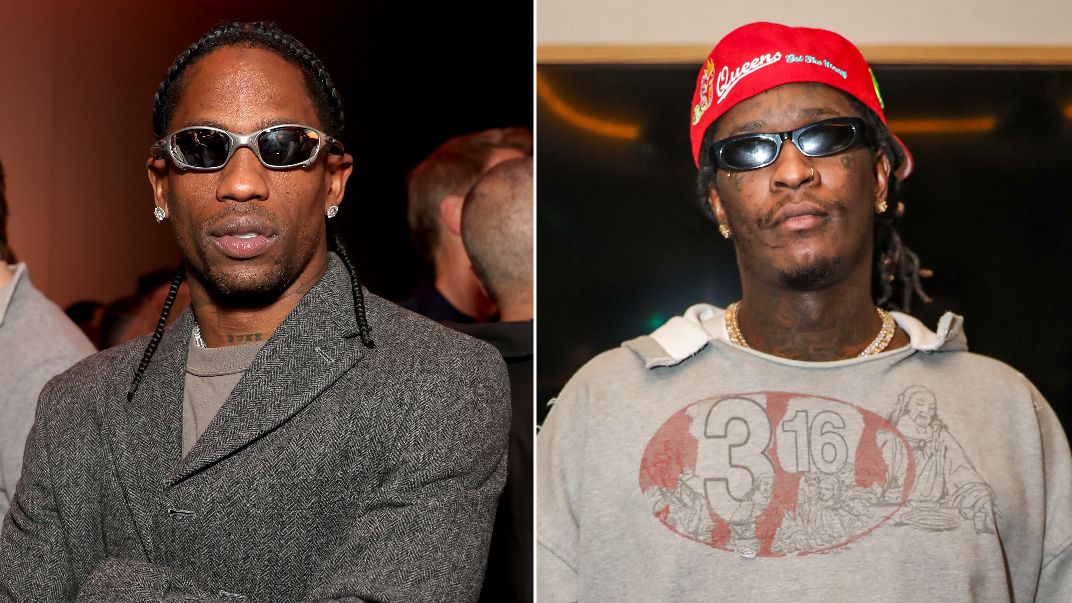
A clutch of high-profile artists and scholars has urged the Supreme Court to block the execution of James Garfield Broadnax, arguing that the use of his rap lyrics at sentencing raises constitutional and racial-bias concerns. The filings, lodged this spring, ask the justices to clarify whether prosecutors may treat artistic expression as proof of criminal character—a question with nationwide implications for how courts handle rap lyrics and other creative work.
Artists press for judicial review
On March 9, briefs supporting Broadnax arrived at the Supreme Court from figures including Travis Scott and rapper-activist Killer Mike. They join a wider coalition of musicians, academics and civil-rights advocates asking the court to take up the case and rule on the constitutional limits of using artistic output as evidence.
Travis Scott’s submission contends that isolating lines of rap and presenting them as indicators of future dangerousness risks penalizing an entire musical form. The brief cites reporting from several outlets to argue the practice operates as a content-based punishment on a protected form of speech, and urges the justices to set clearer rules for lower courts.
What happened in the case
Broadnax, who was convicted in 2009 in a Texas robbery that left two people dead near Garland, was sentenced to death after prosecutors introduced roughly 40 pages of his handwritten lyrics during the penalty phase. According to court filings, the largely white jury examined those pages twice before choosing a death sentence over life without parole.
Broadnax’s attorneys asked the Supreme Court for a writ of certiorari in February, seeking review of the lower-court rulings. His execution was scheduled for April 30, and his supporters say urgent intervention is needed because the way the lyrics were used, they argue, was unrelated to the question of guilt and instead influenced sentencing.
Broader legal and social stakes
The filings argue the case raises two connected concerns: whether using lyrics as evidence is constitutionally permissible, and whether that practice amplifies racial and cultural bias. In a separate brief filed the same day, Killer Mike and other signatories said the lyrics were not part of the guilt-phase proceedings and were instead deployed during sentencing to play on anti-rap and anti-Black stereotypes.
Those briefs build on a string of legal battles over creative expression in criminal cases. Supporters point to previous incidents where lyrics, social media posts or artistic works have been introduced in trials, often provoking debate about context, intent and interpretation.
- Legal precedent at issue: Whether artistic content can be used as evidence of criminal propensity or future dangerousness.
- Racial and cultural implications: Critics say selective use of rap can magnify racial bias and misread a genre that often employs hyperbole and persona.
- Potential national impact: A Supreme Court ruling could constrain—or leave intact—how prosecutors nationwide use creative work in both guilt and sentencing phases.
Past cases and legislative responses
Artists and advocates have repeatedly pushed back in court. Killer Mike has previously filed amicus briefs in related disputes, including a 2015 case involving a suspended student whose song lyrics were central to the school’s discipline decision. In other instances, artists such as Chance the Rapper, Meek Mill and 21 Savage have joined legal filings arguing for protection of expressive work.
Courts have not provided a single, consistent answer. One high-profile decision involved Jamal Knox, whose trial record included song lyrics; the justices in that matter found the lyrics were not protected by the First Amendment. Meanwhile, several states have moved to limit the use of creative expression in prosecutions: New York and California passed restrictions in 2022, and a federal proposal known as the RAP Act was reintroduced in Congress in 2023 but has not become law.
Why the timing matters
The Supreme Court’s choice to grant or deny review will shape how lower courts weigh artistic material going forward. For artists and communities that see rap as a form of storytelling, a ruling that allows lyrics to be treated as direct evidence of criminal intent could widen prosecutorial reach. Conversely, a decision curbing that practice would set a clear limit on a contentious investigative tactic.
The petitions arriving this spring place that question squarely before the nation’s highest court at a moment when lawmakers and cultural leaders are already grappling with the role of creative expression in the criminal justice system. How the justices respond could determine whether the courtroom becomes a new front line in debates over race, art and free speech.
Similar Posts
- Mystikal ordered to spend 20 years behind bars after rape conviction
- How I Met Your Mother star found guilty in attempted murder case: faces years in prison
- Duggar family member arrested as probe into charges against Joe expands
- Soap star 73 arrested after suspected drunk driving stop
- Joseph Duggar arrest: family member gives initial on-record response

Hello, I’m Atlas. I explore the latest musical releases for you and guide you to your next sonic favorites.