
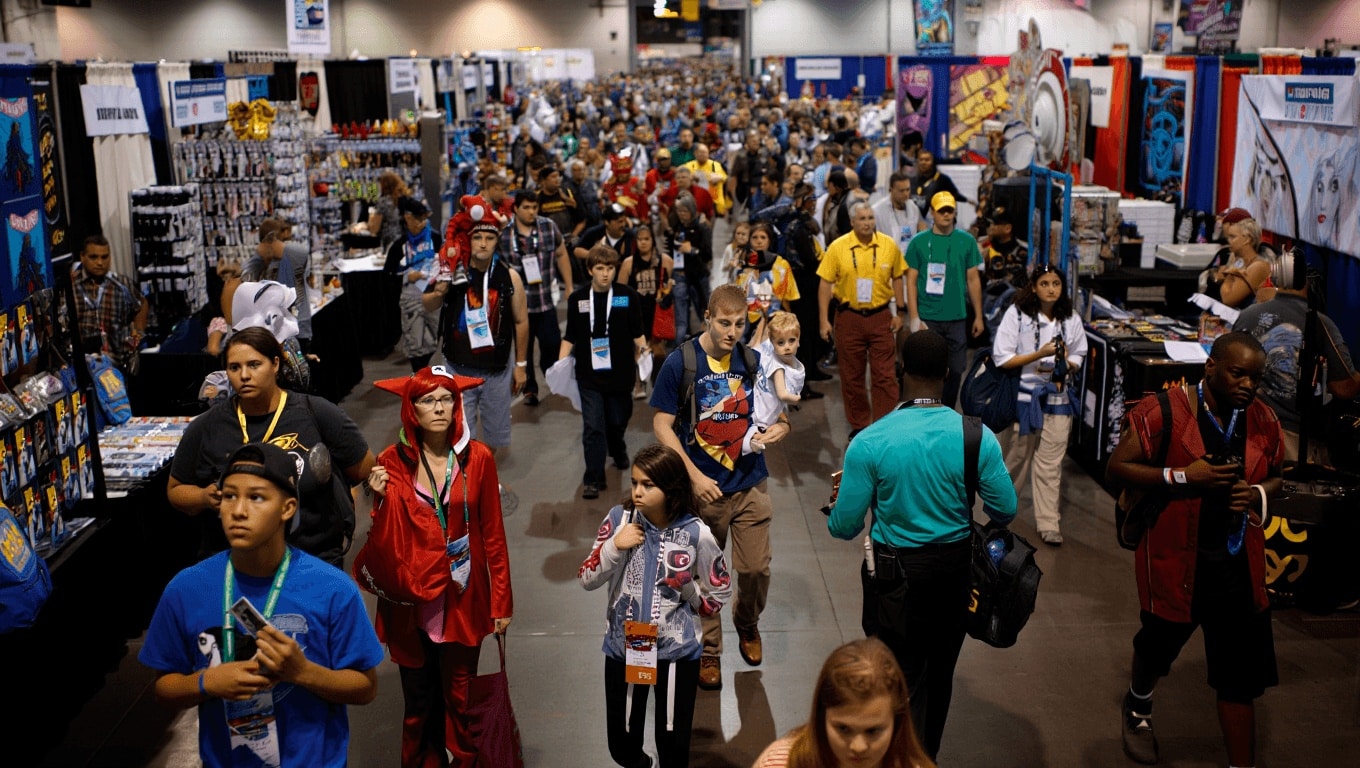
Less than 24 hours after San Diego Comic‑Con’s Preview Night, a large photo set from the showfloor has surfaced, offering an early snapshot of what fans and collectors will be talking about this weekend. Photographer Isabelle Carty’s images — released via Bleeding Cool — open with a striking image of Doctor Doom and quickly move through cosplay, vendor booths, and booth activations that hint at the convention’s visual tone for 2026.
The immediate value of the gallery is practical: it gives non‑attending readers a sense of what’s trending on the floor, which panels might be drawing the most attention, and which collectibles are already generating buzz. For attendees, it’s a checklist; for press and brands, an early read on fan reaction.
What stands out in the opening frames
Carty’s sequence emphasizes scale and craft. The early photos show elaborate armor, layered props, and polished display cases — signs that both individual cosplayers and exhibitors invested heavily in presentation. That investment matters because it often shapes social feeds and press coverage for the rest of the weekend.
- Cosplay craftsmanship — intricate builds and professional finishes that raised the bar from past years.
- Booth production — immersive designs and interactive elements that suggest studios and vendors are prioritizing experiential display.
- Collectible previews — glimpses of merchandise and exclusive items that could affect resale and collecting trends.
Not every image is about spectacle. Several quieter shots capture candid moments: fans pausing to appreciate a piece of art, creators signing items, small gatherings around indie tables. Those moments often predict which creators will see renewed interest after the show.
Why this gallery matters beyond the photos
Images from Preview Night act as a barometer. Early reactions to costumes or product reveals can steer coverage, influence secondary market prices, and even determine which panels receive follow‑up reporting. In that sense, a gallery is a strategic asset for media, collectors, and brands alike.
For readers tracking the convention remotely, the gallery helps prioritize what to watch for in later announcements and social posts. For example, a particularly well‑received cosplay or an unexpectedly large queue at a vendor table often becomes a trend by the second day.
Quick takeaways for different audiences
- Fans: Expect several standout cosplays to trend on social media; follow show hashtags for fuller coverage.
- Collectors: Note any exclusive or limited‑run items appearing in displays — those often show up in resale markets quickly.
- Media and creators: Early visual cues can suggest which stories will generate the most engagement.
Images like these also shape perceptions of the convention’s tone and scale. The heavy presence of polished, cinematic costumes alongside grassroots craft tables highlights the event’s mix of mainstream studios and independent creators — a dynamic that keeps SDCC relevant to a broad audience.
Whether you’re at the convention or watching from home, early galleries provide a useful, immediate perspective on where attention is concentrating. Carty’s collection is a timely example: visually rich, varied in focus, and helpful for anyone trying to read the room on day one.
For those following remotely, treat the gallery as an early guide rather than a definitive account; Preview Night captures atmosphere and hints, while the rest of the weekend fills in the story.
Similar Posts
- ACL Fest 2026 photos: Best moments from Weekend 2 in Austin
- The Best Cosplay at New York Comic‑Con 2026
- Free Comic and Toy Show at Crossroads Center in St. Cloud Oct. 3–4
- Best images from Friday at 2026 Louder Than Life in Louisville
- Academy Museum Gala 2026 best-dressed poll names Alysa Liu, Inde Navarrette

Hello, I’m Jax. I guide you through the latest comics releases and enrich your geek universe.