
Pentagon leader Pete Hegseth sparked a wave of online ridicule this week after invoking dialogue from the film Pulp Fiction during a ceremonial prayer, a moment that quickly became a political flashpoint. The episode matters now because it raises fresh questions about the Defense Department’s public posture and offers opponents a ready line of attack ahead of a charged election season.
What happened
At a Pentagon observance on Wednesday, Hegseth recited what he described as a prayer used by U.S. personnel involved in a recent rescue operation. Portions of the language mirrored a famous exchange from Quentin Tarantino’s Pulp Fiction — a line long associated in popular culture with a dramatized version of the biblical passage Ezekiel 25:17.
Video of the moment circulated widely, prompting immediate commentary across social platforms and response from public figures on both sides of the political aisle.
Official response and pushback
Pentagon spokespeople moved quickly to defend Hegseth, saying his remarks were meant to honor service members and that the text he cited was presented as a reflection rather than literal scripture. That explanation did little to stem the social media backlash.
Opponents seized on the gaffe as evidence of poor judgment and a broader credibility problem, while critics outside politics framed it as another example of tone-deaf public messaging by a senior official.
Notable reactions
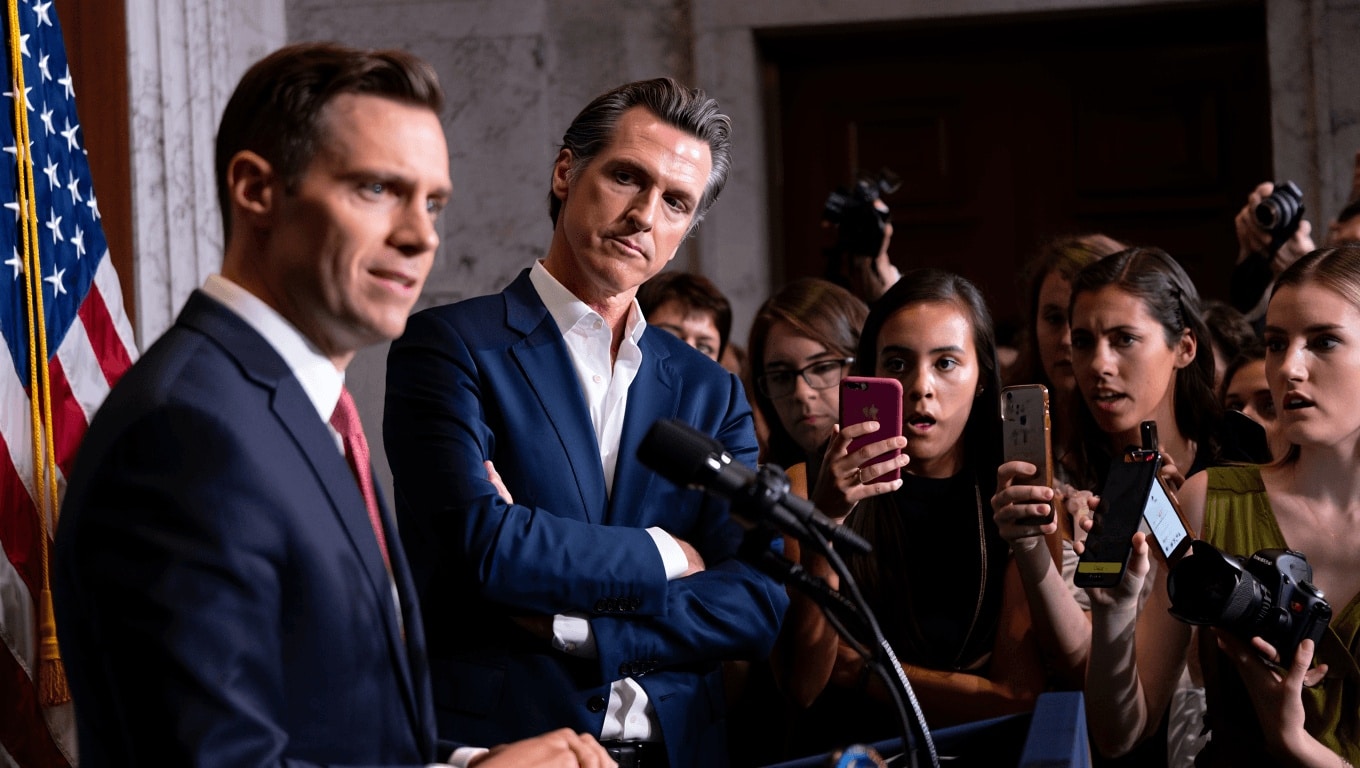
- California Governor Gavin Newsom posted a mocking image that spread rapidly, casting the episode as political theater.
- Senator Raphael Warnock and several cultural figures publicly criticized Hegseth’s remarks, calling them inappropriate for the setting.
- Former journalists and commentators described the episode as a self-inflicted optics problem for the Pentagon and the administration.
Why this matters beyond the clip
Public trust in the Defense Department relies in part on institutional gravitas and nonpartisan conduct by its leaders. Moments like this can erode perceived seriousness around national security stewardship, especially when they become talking points for partisan opponents or late-night satire.
There are concrete stakes: congressional oversight, morale within the ranks, and the way allied partners and adversaries perceive U.S. leadership. Even a single widely shared misstep can be amplified in headlines and by political adversaries during an election year.
What to watch next
Key developments to monitor include whether the secretary issues a clarification, whether the Pentagon revises its public-communications approach, and how lawmakers respond in hearings or statements.
At the same time, the rapid spread of commentary underlines how fast a localized incident can become a national story in the social media age — especially when it involves recognizable pop-culture references.
It remains to be seen whether this episode will have lasting consequences for Hegseth’s standing inside the Pentagon or with lawmakers, but for now it has become a focal point in the broader debate about leadership and messaging at the Defense Department.
Similar Posts
- Count Binface comic by Dave McKean and Martin Rowson: surprise co-creator revealed
- Franz Ferdinand blasts IDF for using Take Me Out: band says they’re sickened and appalled
- SNL U.K. Weekend Update in UK roasts Shane Gillis with ‘you stupid f—ing c—’ line
- Señorita Rio vintage issue hits auction: Fight Comics 41 showcases a German werewolf
- Julia Louis-Dreyfus channels Selina Meyer to lampoon Stephen Colbert on the Late Show: watch

Hello, I’m Declan. I share my film reviews and discoveries with you to enrich your moviegoing experience.