
Morphine’s surviving members have returned to unfinished material from 1998 to complete a long-delayed album titled Cocoon, due December 4 on Partisan. The eight-track release is the Boston trio’s first full studio LP tied to the band’s original era and arrives more than two decades after the posthumous release of The Night.
The recordings began in 1998 and were shelved before singer-bassist Mark Sandman died onstage in 1999; engineers Paul Q. Kolderie and Sean Slade—who helmed the original sessions—helped assess and restore the tapes. Kolderie worked with Sandman’s partner, Sabine Hrechdakian, to evaluate the material and oversaw the transfers and fresh mixes that now form the backbone of the finished album. An archival video for the title track is available ahead of the release.
- Album: Cocoon (eight tracks)
- Original sessions: 1998
- Producers/restore team: Paul Q. Kolderie & Sean Slade
- New contributions: refreshed mixes, Dana Colley added saxophone parts on three songs
- Release date: December 4 (Partisan)
- Context: first full-length since The Night (posthumous, 2000)
Finishing what was left on tape
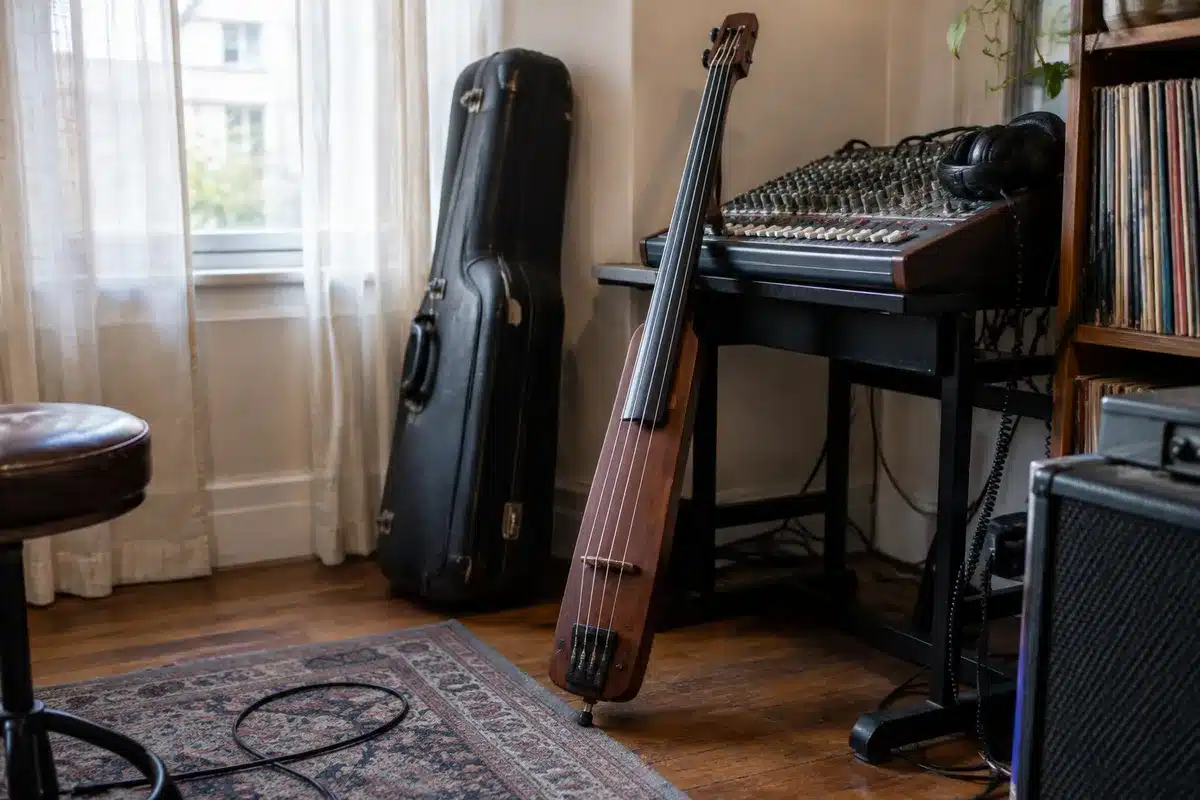
To bring the project to completion, Kolderie did new mixing work on the existing multitracks while saxophonist Dana Colley overdubbed parts for several pieces. Unlike much of Morphine’s famously spare sound—built around Sandman’s two-string slide bass, baritone sax and minimal drum patterns—these sessions include piano, guitar and performances by more than one drummer.
The presence of multiple percussionists traces back to The Night, the group’s previous posthumous LP, which expanded Morphine from its usual trio into a quartet for some tracks when both Jerome Deupree and Billy Conway contributed on drums. On Cocoon, that broader palette gives the rediscovered songs a fuller texture without losing the band’s low-end, smoky character.
Colley described returning to the material years later as an almost uncanny experience, finding his playing bridging the original sessions and the present-day work needed to finish them.
Morphine formally split after Sandman suffered a fatal heart attack while performing at the Nel Nome del Rock festival in Italy in 1999. Hrechdakian, reflecting on the album’s title, framed the record as both a literal and metaphorical refuge: the home studio where music and daily life mixed, and a place that captured the tension between life on the road and the comfort of returning home. She also noted recurring imagery in the songs—references to travel and otherworldliness—that suggest the “cocoon” as a small vessel carrying the band between worlds.
For listeners and archivists alike, Cocoon represents more than a reunion: it’s a recovered chapter of Morphine’s catalog that fills in the band’s late-1990s creative arc. The project highlights the value of preserved tapes and careful restoration, offering fans newly completed material linked directly to Sandman’s final studio-era work.
Similar Posts
- Stevie Wonder unveils four lost tracks from songs in the key of life
- Interpol unveils two new tracks: full album on the way
- The Fall announces swan song arriving this autumn
- John Douglas death confirmed
- Fugazi releases long-lost Steve Albini recordings for charity

Hello, I’m Atlas. I explore the latest musical releases for you and guide you to your next sonic favorites.