
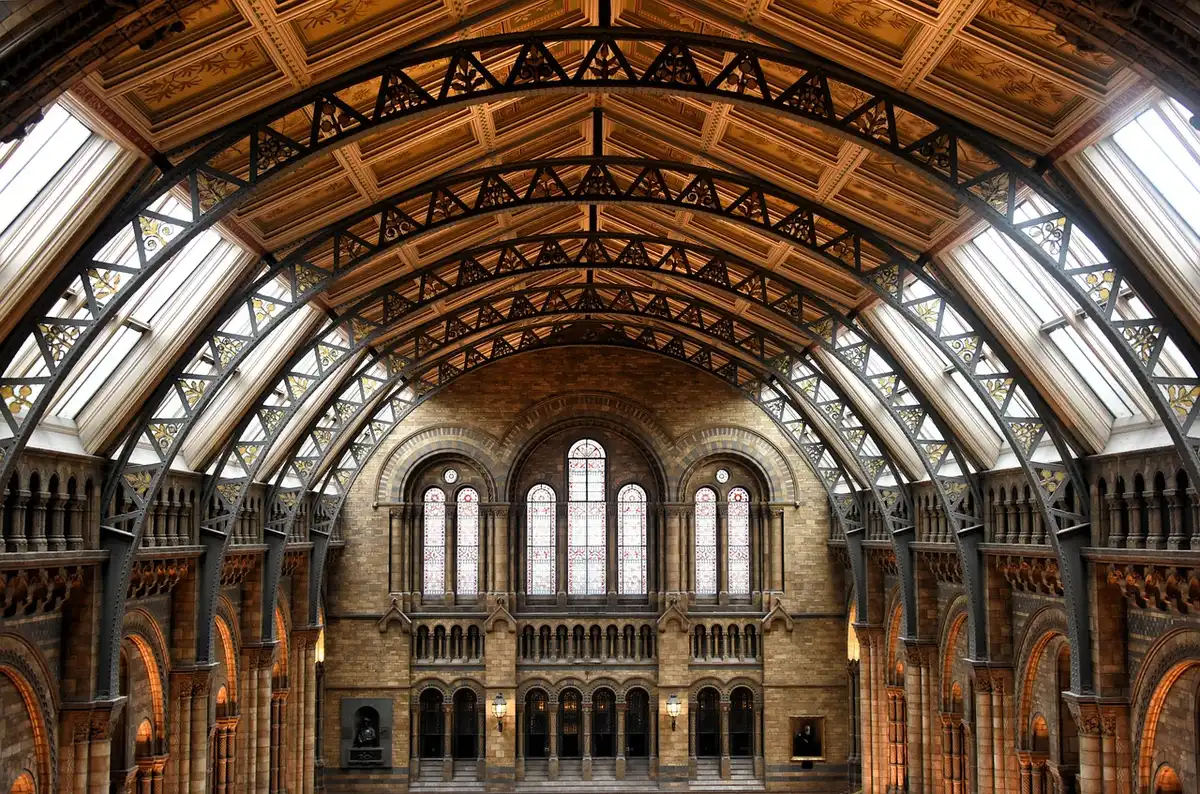
Comic-book superstar Jim Lee attended a private preview at the newly completed Lucas Museum of Narrative Art in Los Angeles this week, giving an early look at how mainstream institutions are reframing sequential art. With the museum opening to the public on September 22, the event underscored a broader shift: comics and illustration are being presented as central to cultural storytelling, not just niche entertainment.
Lee joined an “Artists, Friends and Family” reception held ahead of the museum’s official launch. In social posts after the event he reflected on beginning his career decades ago when comic creators labored in relative obscurity, and described the surreal feeling of seeing his own pages displayed inside a major museum designed to celebrate narrative art.
His longtime inker, Scott Williams, was also on hand and called the evening memorable, promising to return for more visits to take in the galleries at leisure.
What the museum offers visitors
Located in Exposition Park near the Natural History Museum and the Los Angeles Memorial Coliseum, the Lucas Museum occupies a roughly twelve-acre campus and a five-story building by Chinese architect Ma Yansong. Inside are nearly 100,000 square feet of gallery space spread across more than thirty galleries, plus cinemas, a research library, dining and learning spaces.
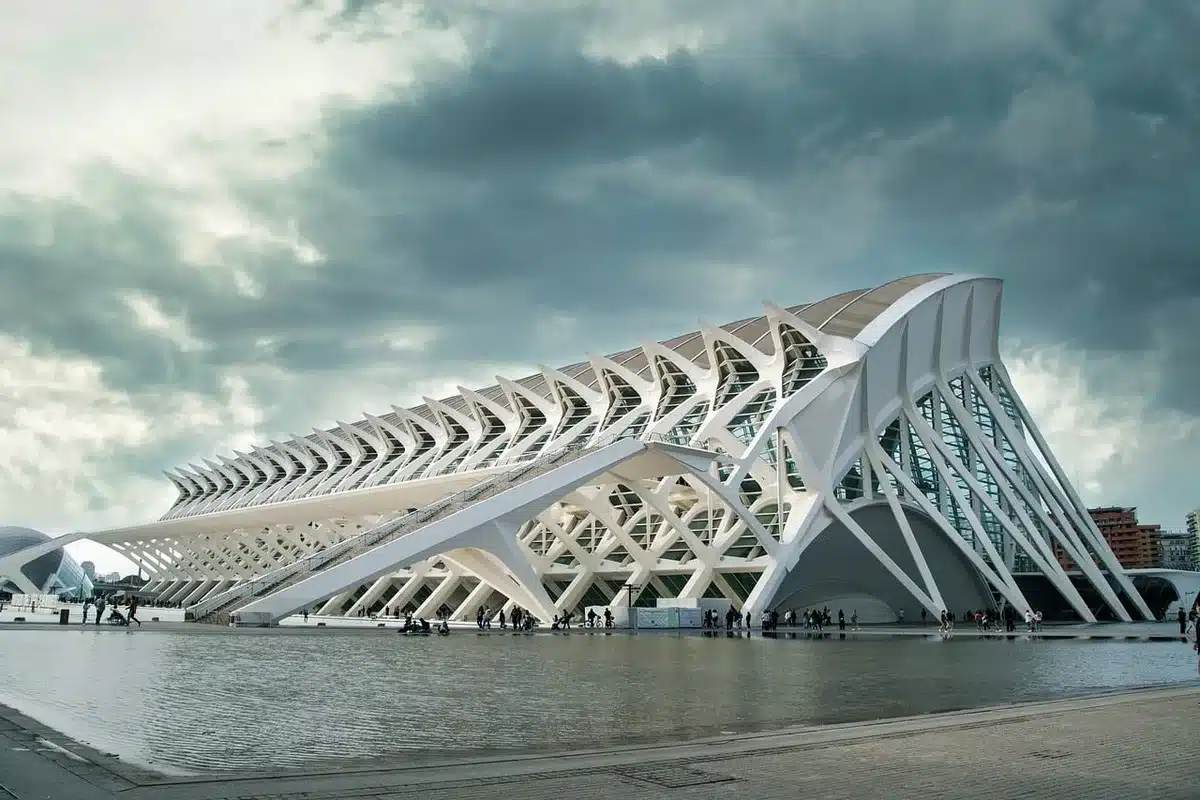
The project was privately funded by George Lucas and his partner Mellody Hobson, with construction that began in 2018 and a reported price tag exceeding one billion dollars. The design has drawn attention for its fluid, sculptural form that some have likened to a science‑fiction vessel landed in a park.
- Opening dates: Opening Night celebration — September 19; public opening — September 22, 2026.
- Location: One Lucas Plaza, Exposition Park, South Los Angeles.
- Campus highlights: ~100,000 sq ft of galleries, two cinemas, a free research library, dining, retail and community spaces.
- Collections on display: Thousands of works spanning illustration, comics, film art and popular imagery; Lucas’s archives from 1971–2012 are included.
- Research holdings: Tens of thousands of comic books, large donations of art and rare volumes from notable private libraries.
Exhibits and early themes
The inaugural program mixes large thematic shows with focused artist presentations. One of the headline exhibitions, titled The History of Narrative Art: Heroes • Myths • The Sacred, traces how visual storytelling builds communal myths and moral imagination. Cinema-focused displays include Star Wars in Motion, which zeroes in on the land vehicles from the first six films.
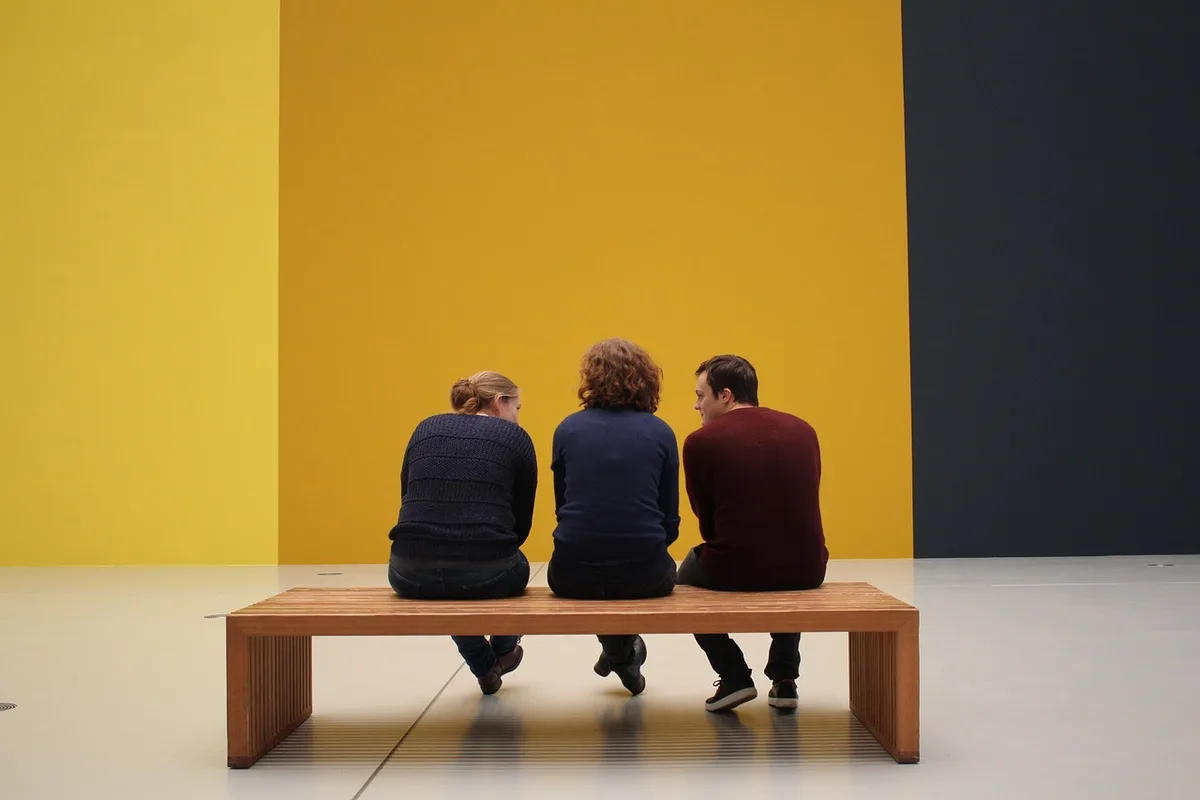
Outdoor and indoor installations range from classical sculpture to pop-cultural icons, and the opening run includes some 1,300 objects across curated galleries.
Who’s represented
The museum brings together a wide spectrum of creators — from early 20th-century illustrators to contemporary street and comic artists — in an attempt to present narrative art as a shared cultural resource. Notable names on view include:
- Classic illustrators: Norman Rockwell, N.C. Wyeth, Maxfield Parrish, Winsor McCay
- Fine artists and modernists: Vincent van Gogh, Frida Kahlo, Diego Rivera
- Comics and cartoon pioneers: Jack Kirby, Charles Schulz, George Herriman, R. Crumb, Frank Miller
- Contemporary and genre artists: Banksy, Takashi Murakami, Mike Mignola, Kadir Nelson, Boris Vallejo
- Illustration and narrative specialists: Jessie Willcox Smith, Beatrix Potter, Julie Bell, Bernie Wrightson
The collection also includes significant film artifacts and the Lucas Archives — props, models, costumes and concept art from Lucas’s films — though material tied to Star Wars represents a relatively small portion of the overall galleries.
Library, archives and learning
The museum’s research library is substantial: tens of thousands of comic books, a large donation of art books from entertainer Steve Martin, and volumes from scholars such as Joseph Campbell form a resource aimed at students, researchers and curators.
Administrators emphasize public access and education. CEO Tracey Bates framed the institution as a place designed around visitors and programs; Mellody Hobson described intent to build a museum where diverse audiences can find their own stories reflected in the galleries.
Architect Ma Yansong characterized the building as “emotional architecture” intended to feel fluid and inviting, a structure that integrates with the landscape and encourages discovery.
Why this matters now
For readers who follow comics, film or visual culture, the museum’s opening is a signal that once‑marginal art forms are being recognized on a major institutional stage. That affects careers, preservation efforts and public perception: original comic art now sits alongside canonical painting and historical archives, available for study and public enjoyment.
Families and educators can expect programs aimed at younger audiences; researchers gain access to rare materials; and creators receive a high-profile venue that affirms the cultural importance of narrative imagery.
As Jim Lee and several colleagues noted after the preview, the scope of the collection and the density of the galleries make multiple visits likely for anyone who wants to take everything in.
Similar Posts
- Jack Kirby Museum acquires 50-plus Richard Howell pages: rare originals join public collection
- Snoopy: 5 Best Comics of All Time, Ranked — Collider
- 10 Best Comics of September 2026 — ranked picks to read now
- London comics roundup August 2026: festivals, signings and pop-up exhibits to catch
- ACL Fest 2026 photos: Best moments from Weekend 2 in Austin
Hello, I’m Jax. I guide you through the latest comics releases and enrich your geek universe.