
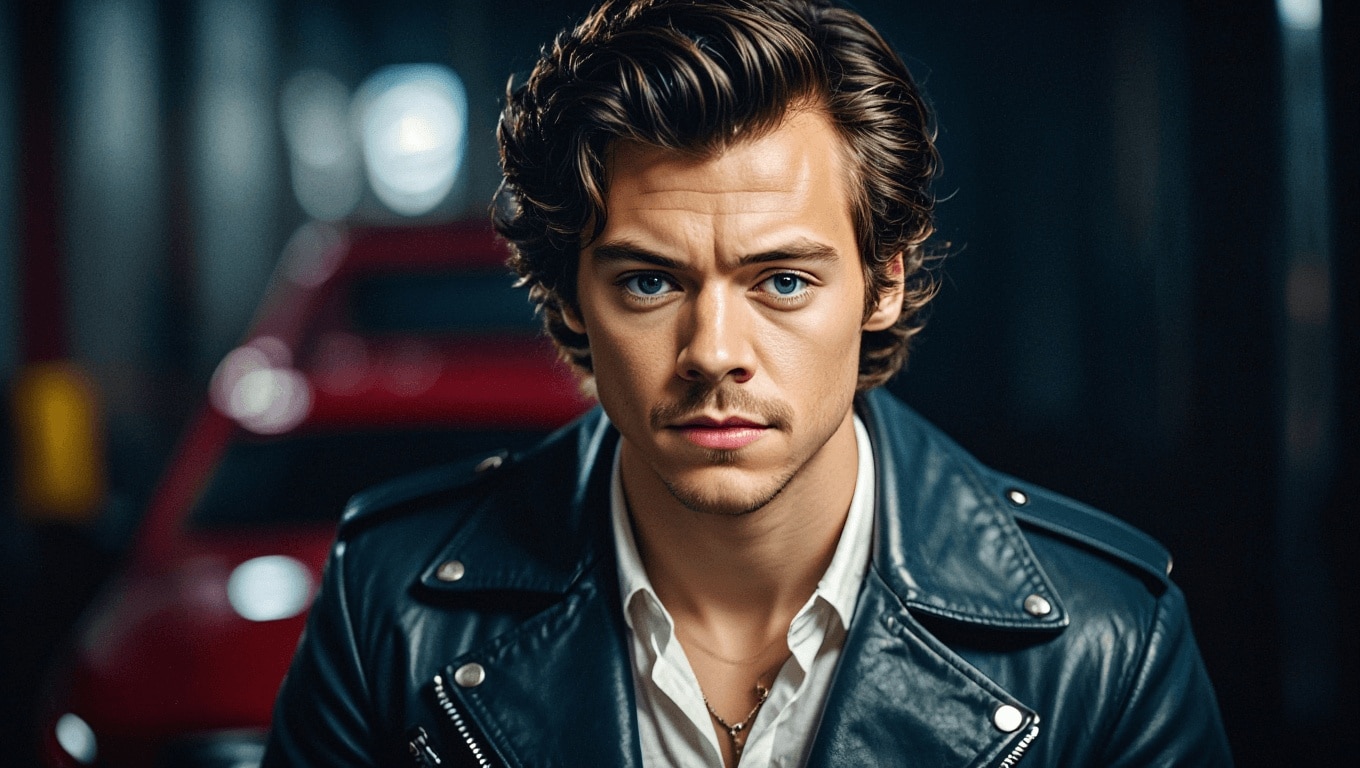
Kiss All the Time. Disco, Occasionally. — Harry Styles’s long-anticipated follow-up to Harry’s House — is officially out, arriving with a dense set of collaborators and a simultaneous announcement about a concert film. The record leans heavily on live players, choral arrangements and a familiar production team, signaling a deliberate, band‑centric turn in Styles’s studio work.
What to know first
The album was overseen by longtime partner and executive producer Kid Harpoon, mixed by veteran engineer Mark “Spike” Stent (with Kieran Beardmore assisting) and mastered by Emily Lazar. Sessions took place across several high‑profile studios — from Abbey Road to Hansa — and the finished project features contributions from indie and jazz figures as well as a full gospel choir.
That spread of personnel matters: it frames the album as a collaborative statement rather than a solo pop record, and it connects Styles to musicians whose voices and textures shift the album’s sonic palette away from pure studio polish toward something more orchestral and spontaneous.
Key collaborators and recurring elements
- Kid Harpoon — chief producer and co‑writer across the record.
- Tom Skinner (the Smile) — supplies live drum work on multiple tracks, lending a loose, rhythmic backbone.
- Ellie Rowsell (Wolf Alice) — appears as a backing vocalist on select songs, adding an indie edge.
- House Gospel Choir — used repeatedly for layered, call‑and‑response textures rather than one‑off backing parts.
- Orchestral arrangements — orchestrator Jules Buckley and a string/woodwind palette appear on the more expansive tracks.
Selected track highlights
| Track | Notable contributors | Signature elements |
|---|---|---|
| Aperture | Kid Harpoon; piano by Yaffra; gospel choir | Piano‑forward opener with choral layers |
| American Girls | Tyler Johnson co‑producing; Tom Skinner on drums | Grooved rock/pop cut tracked at Abbey Road |
| Coming Up Roses | Jules Buckley orchestral arrangement; full string section | Sweeping chamber‑pop moment with live orchestra |
| Dance No More | Yaffra synths; gospel choir; additional backing vocals | Close to disco‑tinged rhythm with soulful backing vocals |
| Carla’s Song | Piano by Yaffra; recorded at Hansa | Intimate piano closer |
Across the record, engineering and additional production credits recur: Brian Rajaratnam is listed among the primary engineers, with Liam Hebb contributing additional engineering and several assistants appearing across sessions. Those overlapping crews help explain the album’s cohesive sound despite its varied instrumentation.
Production and recording footprint
Work took place at a roll call of established studios — Abbey Road, Hansa, RAK, Ridgemont, Traquillo, Angel and others — which suggests a mix of vintage room ambience and modern tracking techniques. The use of live drums, brass, strings and choir indicates a preference for acoustic color over programmed textures on many cuts.
Why this release matters now
For listeners and industry watchers, the album’s arrival is notable for a few reasons: it marks Styles’s next major pop statement after a critically and commercially successful previous record; it foregrounds collaboration with respected alternative and jazz musicians; and it pairs the release with a visual project — the upcoming concert film One Night In Manchester — that may extend the album’s cultural reach beyond streaming and radio.
The combination of a high‑profile production team, prominent guest players and live orchestration makes this album a likely point of discussion in year‑end lists and touring conversations. Fans of studio craftsmanship will find plenty to unpack, while casual listeners are offered accessible hooks framed by richer arrangements than typical radio pop.
Credits, session locations and the list of participating musicians underline the record’s ambition: it’s a studio project built like a band record, recorded across legendary spaces and shaped by collaborators who bring distinct sonic identities to the mix.
Similar Posts
- Harry Styles and Johnny Blue Skies lead must-hear new albums this week
- Angélique Kidjo enlists Pharrell and Nile Rodgers for star-packed new album
- Vince Staples announces coast-to-coast North American tour
- Olivia Rodrigo stages ballet-filled spectacle in new Stupid Song video
- Cassandra Wilson, Jazz Singer Dubbed ‘America’s Best Singer,’ Dies at 70
Hello, I’m Atlas. I explore the latest musical releases for you and guide you to your next sonic favorites.