
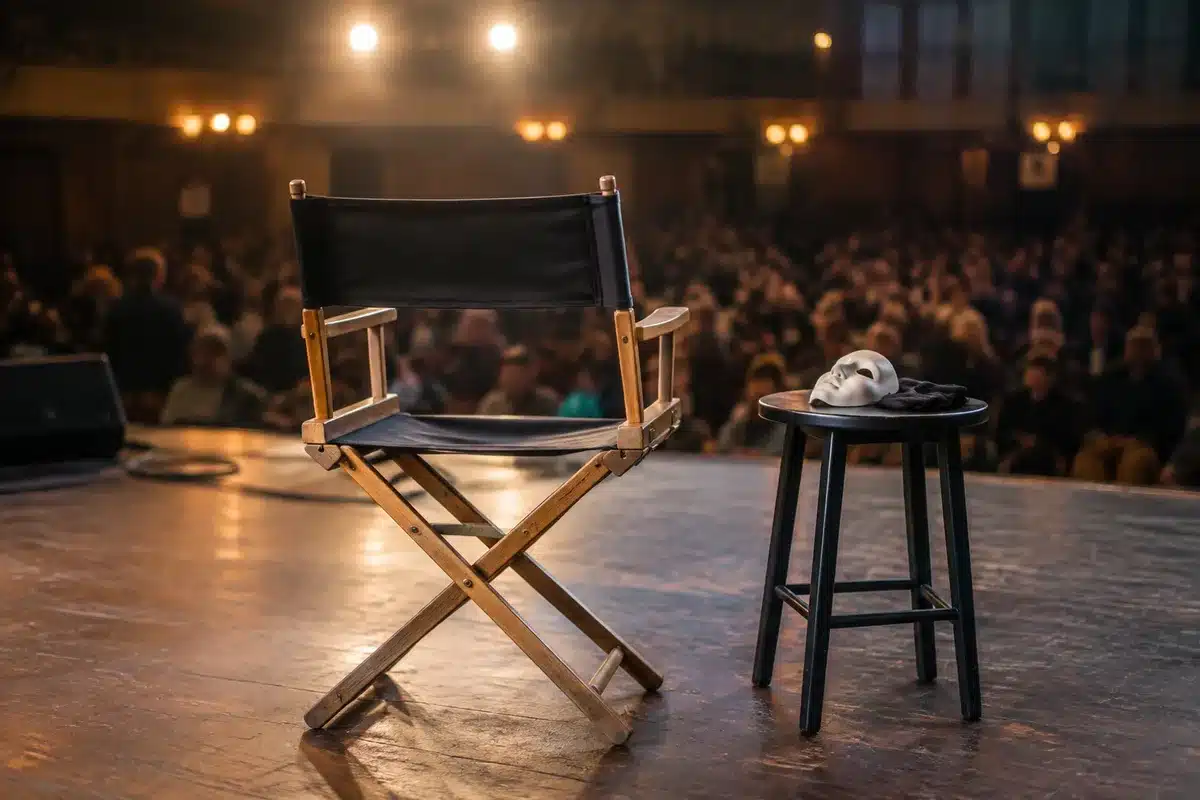
Catherine Zeta-Jones says she would rather watch unfamiliar, living performers than digitally generated faces — a stance that lands at the center of a fast-moving debate about artificial intelligence in entertainment. Her comments, made while criticizing the growing use of AI to recreate or replace performers, touch on larger questions about creative authenticity, jobs and regulatory oversight that are unfolding right now.
Zeta-Jones pushes for human presence on screen
The Oscar-winning actor told the Associated Press she prefers seeing “real people” on stage and screen, arguing that part of the pleasure of film and theater is encountering a character without preconceptions. She said she does not want behind-the-scenes details — personal lives or publicity narratives — to shape how audiences receive a performance.

Asked about performers who have licensed their likenesses or otherwise collaborated with technology firms, Zeta-Jones said that choice is up to them but emphasized her own wish to be transported by a role rather than distracted by celebrity culture or synthetic substitutes.
Why this matters now
Her remarks arrive amid mounting industry and regulatory scrutiny of AI. Studios, unions and lawmakers are grappling with how to treat digital replicas of actors, while creators express concern about credit, compensation and the potential erasure of human jobs.
Beyond entertainment, experts have flagged darker risks tied to unchecked development of advanced models — warnings that have included stark scenarios about catastrophic consequences if controls fail.
- Creative authenticity: Actors and audiences worry about losing the spontaneous, imperfect aspects of live performance.
- Labor and contracts: Licensing of likenesses and AI-generated substitutes raise questions about residuals, consent and bargaining power.
- Intellectual property: Claims of training models on copyrighted material without permission have prompted legal and ethical challenges.
- Safety and oversight: Policymakers are debating technical safeguards such as an emergency shutdown — often called a kill switch — for advanced systems.
California’s governor recently issued an executive order to accelerate oversight of frontier AI models, calling for experts to advise on safety plans and emergency controls within a short timeframe. The move reflects growing state-level urgency to set guardrails while development races ahead.
At the federal level, responses have been mixed. Some political leaders have downplayed the risks, arguing that existing laws already provide sufficient regulatory tools. That split between caution and skepticism is shaping a patchwork policy environment as technology evolves.
What this means for viewers and industry workers
For audiences, the debate frames what many expect from film and television: whether characters will continue to feel like the work of a living actor or increasingly like engineered performances. For workers — actors, writers, technicians — the issue is practical and immediate: how to secure rights, fair pay and protections against being digitally replicated without consent.
Industry insiders say solutions will likely combine contract updates, clearer copyright rules and technical standards for model training and deployment. But those fixes will need time and coordination across studios, unions and governments.
As the conversation around AI in Hollywood intensifies, Zeta-Jones’ plea for less machine-driven casting highlights a cultural tension at the heart of the technology: the balance between technological possibility and the human qualities that make storytelling resonate.
Similar Posts
- Sandra Bullock urges Hollywood to embrace AI: why actors and crews should care
- Alexander Skarsgård steals spotlight in Rolling Stones video: actor bursts into electrifying dance
- Jodie Foster questions AI use in F1 film: sparks debate over authenticity
- Black Americans in the Revolutionary War: GenAI-backed doc reclaims their stories
- Big Bang Theory: inside the special effects that made Howard float in space
Hello, I’m Declan. I share my film reviews and discoveries with you to enrich your moviegoing experience.