
Spoilers ahead: DC’s new Batman crossover, Bad Seeds, opens with Mayor Pamela Isley — better known as Poison Ivy — cutting a deal with ancient plant powers that could permanently remake Gotham. The sequence, starting Aug. 26, 2026, isolates the city and explains why the wider DC hero community is effectively kept on the sidelines.
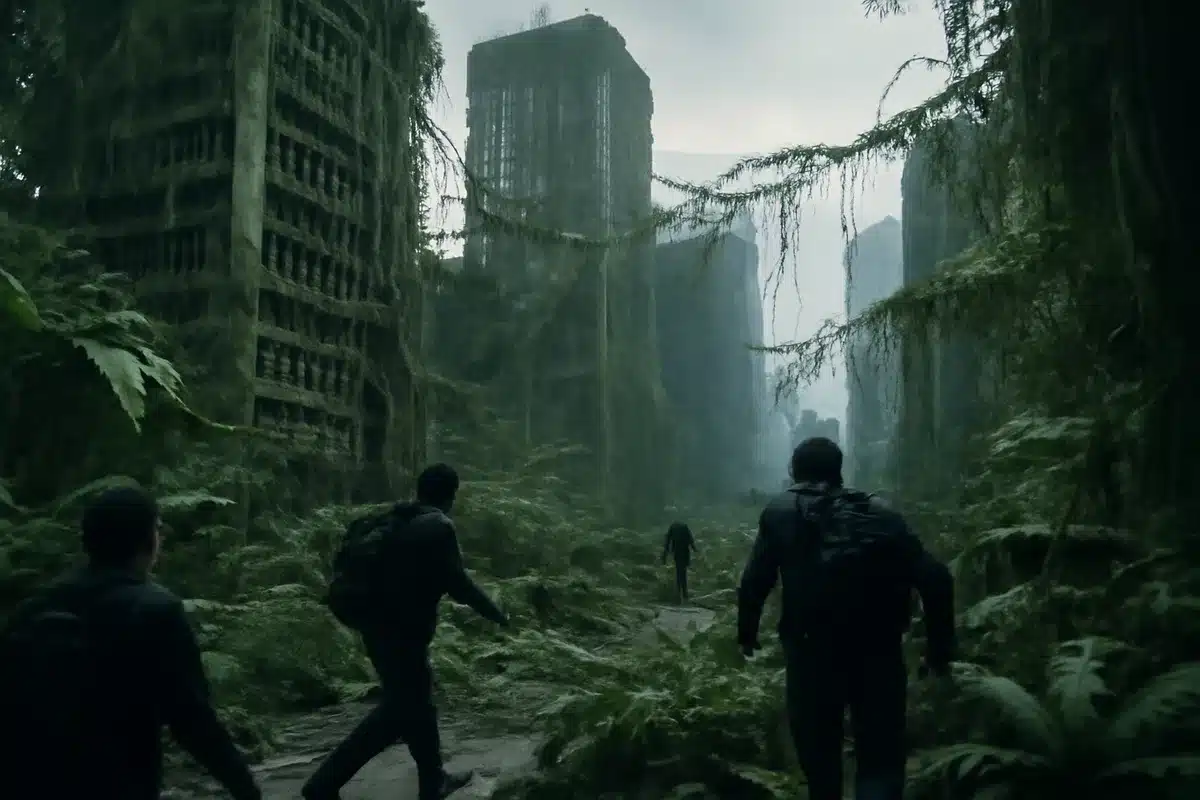
The story paints Ivy’s choice as both ideological and desperate: faced with condemnation from the mystical Parliament of Trees and abandoned by political allies, she opts to turn Gotham into a verdant, prehistoric ecosystem. The shift is framed as a kind of mercy by Ivy, but the consequences are immediate and severe for ordinary residents.
On the ground, readers are shown practical fallout. Streets choke on pollen and unfamiliar flora, respiratory troubles spike, and much of the modern infrastructure collapses when cellular networks and internet services fail. That loss of communication amplifies fear and slows any coordinated response.
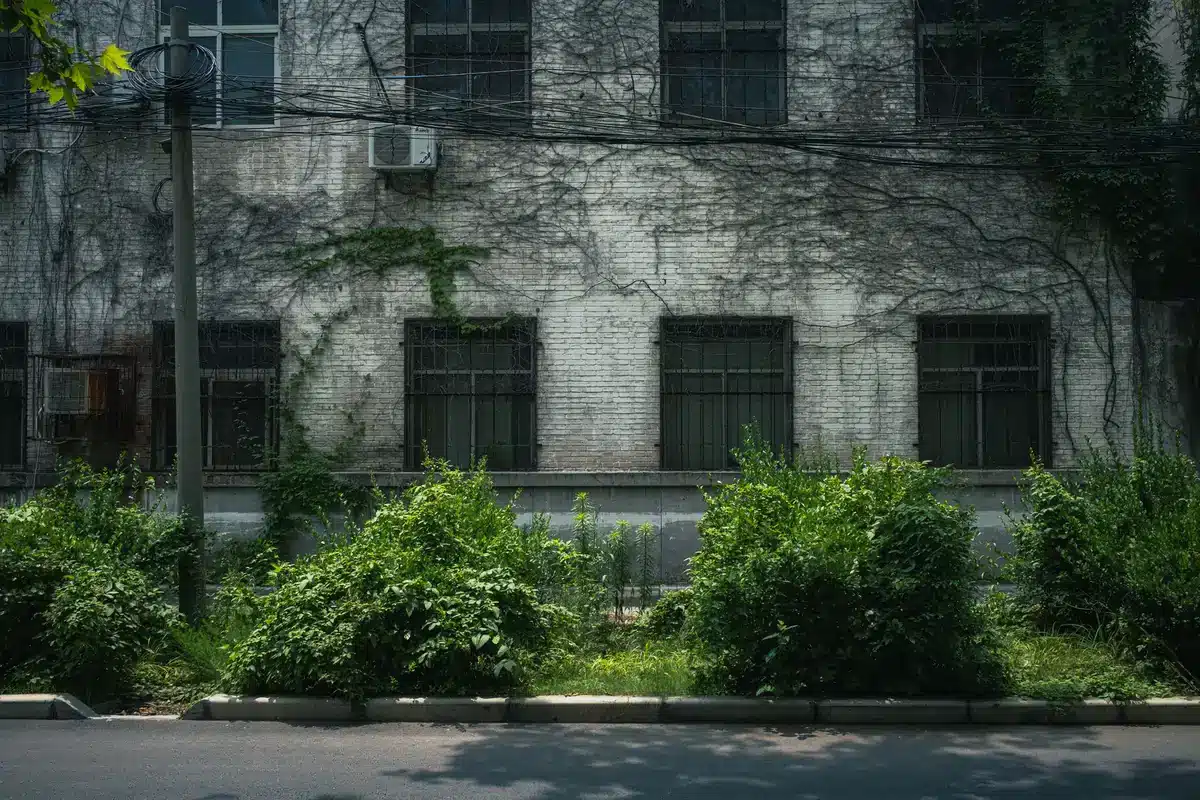
Some reactions are predictable — supply shortages, opportunistic price hikes — while others are more chaotic. The art emphasizes how quickly order breaks down when a city loses power and connectivity at scale.
There’s also a visual contrast built into the opening: prehistoric plant life creeping into an urban skyline. Scenes alternate between lyrical panels of alien greenery and frantic moments of everyday people trying to cope, keeping the tone grounded even as the premise feels mythic.
So why don’t Superman, Flash, Wonder Woman or the rest of the League simply swoop in and stop this? The new issues make several constraints plain:
- Magical bindings and the terms of Ivy’s pact create an arcane barrier around Gotham that prevents outside magical and cosmic interference without triggering worse consequences.
- Vandal Savage, now wielding political and paramilitary power in the city, holds hostages — including key figures in the Bat‑family — and threatens immediate reprisals if other heroes intervene.
- Many of Gotham’s defenders are already scattered, hunted or in hiding, limiting the local capacity to coordinate a high‑profile, external rescue without catastrophic collateral damage.
In short, the creative team uses a mix of mystical restrictions, political coercion and tactical vulnerability to keep the conflict focused on Gotham and its core characters rather than turning the event into a routine Justice League cleanup.
This approach concentrates dramatic stakes on the Bat‑family: personal danger for characters like Barbara Gordon, ethical questions around Ivy’s motives, and the tactical dilemma of choosing when and how to strike without turning the city into a battleground.
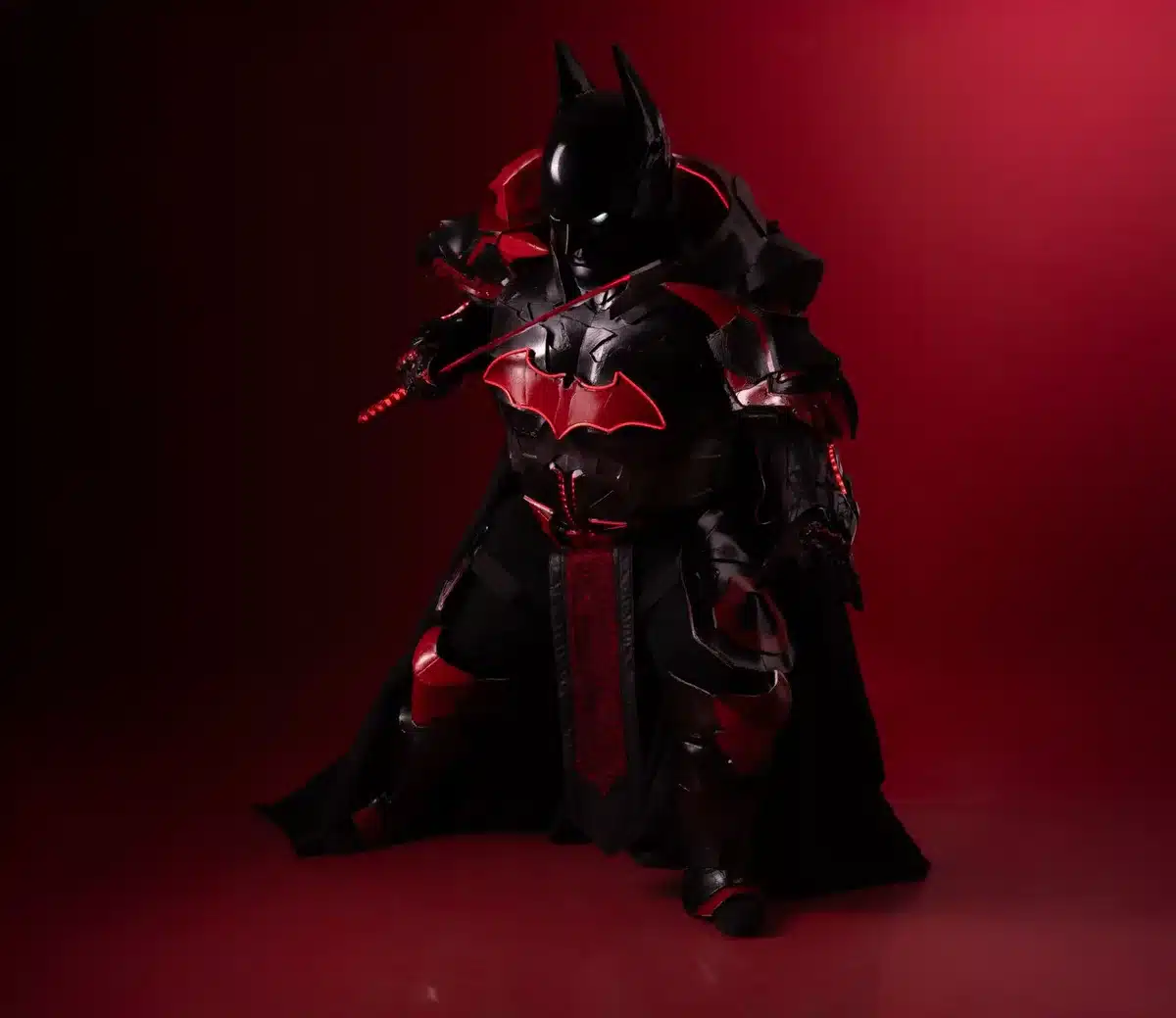
The launch material itself is delivered by a high‑profile creative line-up. Expect bold, cinematic plates and a collage of storytelling styles across the opening one‑shot and tie‑ins — a deliberate way to show the scope of the threat while maintaining intimacy with Gotham’s residents.
- Poison Ivy #47 — Writer: G. Willow Wilson; Artist: Leandro Fernandez. Serves as a prelude to the Bad Seeds event, documenting the mayor’s escalating choices and the first visible effects on the city. (On sale 8/26/2026)
- Batman: Bad Seeds — Sunset #1 (One‑Shot) — Writers: Matt Fraction, G. Willow Wilson; Artists: Giuseppe Camuncoli, Cliff Rathburn. The official opening chapter that ties multiple threads together and sets the night‑long timeline for the crossover. (On sale 8/26/2026)
- Justice League Unlimited #22 — Mark Waid, Dan Mora, Fico Ossio. A separate arc that shows the League’s challenges elsewhere, underscoring why they can’t simply redeploy to Gotham. (On sale 8/26/2026)
- The Flash #36 — Ryan North, Gavin Guidry. A Wally West story that continues his city‑to‑city heroics, highlighting how other heroes are stretched thin across multiple crises. (On sale 8/26/2026)
Why this matters now: Bad Seeds is positioned as a major Gotham event that reshapes local status quos and tests moral lines — not just with spectacle but with consequences for civic life and the Bat‑family. Because the crossover intentionally constrains outside help, readers get a tighter, more urgent story focused on survival, choices and the cost of radical solutions.
If you follow Batman and Gotham‑centered titles, these issues mark the start of a storyline likely to ripple through DC’s fall publishing slate. Expect companion tie‑ins and character‑driven fallout in the weeks after the launch.
Similar Posts
- Batman #13 preview images drop, plus Bad Seeds Sunset and Poison Ivy #48 glimpses
- Batman Justice Year revealed: Williamson and Redondo to launch gritty new run
- Batman #10 confronts capitalism: what readers need to know
- Matt Fraction at NYCC vows to take down billionaire icons: Bruce Wayne targeted
- Sirens issue 3 raises the stakes with holiday romance and a shocking murder

Hello, I’m Jax. I guide you through the latest comics releases and enrich your geek universe.