
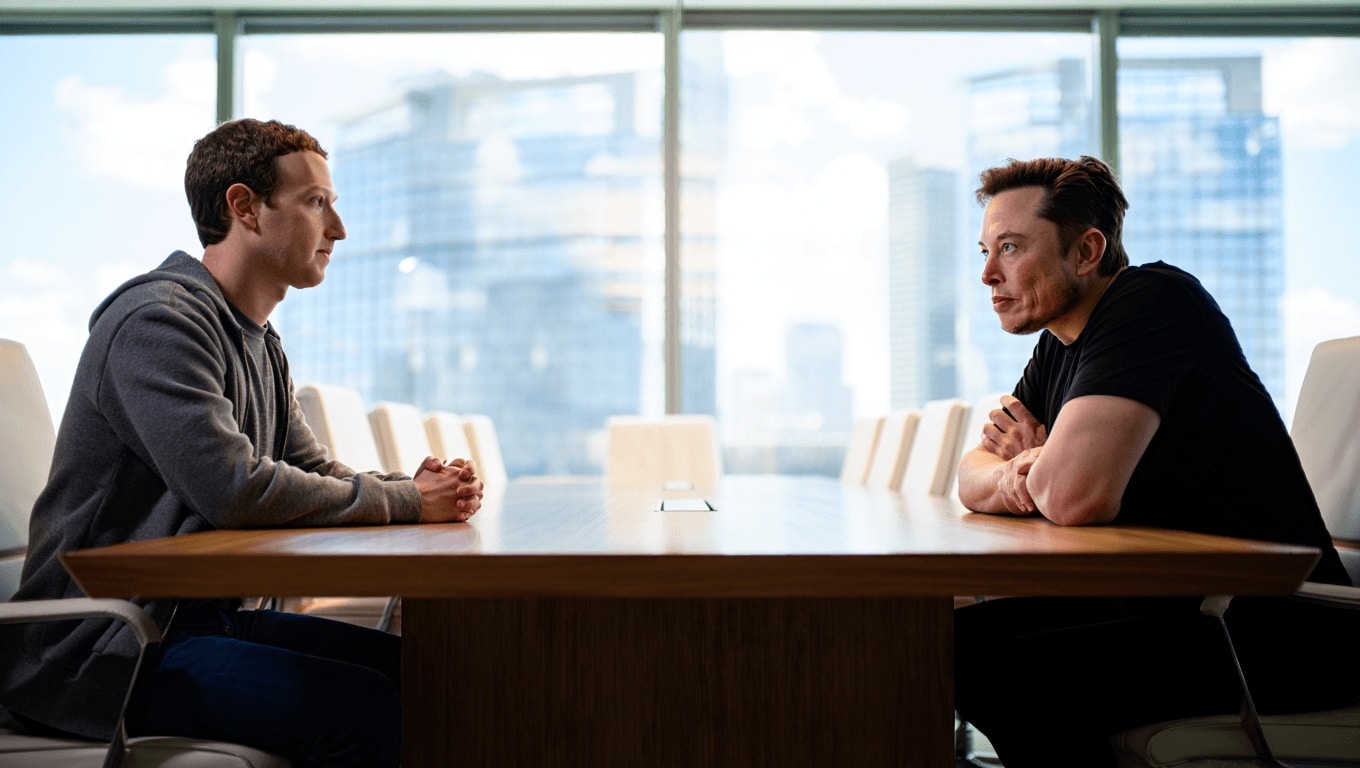
The tech founders who inspired The Social Network are back at the center of new films, books and corporate drama — this time with artificial intelligence as the plot engine. Their moves matter now because the decisions these companies and executives make will shape jobs, regulation and public safety in the next few years.
Hollywood and journalism are racing to keep up. From feature films that dramatize boardroom fights to investigative profiles of billionaires, the story of Silicon Valley is shifting from the scrappy coder to the powerful executive whose choices ripple across the economy.
From screenplays to courtroom filings
Studios and streaming platforms have lined up several high-profile projects about the tech world and AI. One early entrant, a film about Sam Altman and his company titled Artificial, was financed by Amazon’s MGM unit but then lost distribution momentum after initial screenings. The movie has since been acquired by Neon and is due for release next month; its lead actor, Andrew Garfield, previously appeared in The Social Network — a connection that underscores how familiar narratives are being reinterpreted for the AI era.
Other projects are focused on narrower corners of the tech ecosystem — including films about prediction markets such as Kalshi and Polymarket — reflecting broad interest in how finance, data and forecasting intersect with public life.
Money, power and legal fights
At the same time, the economic stakes are enormous. Reporting in the Wall Street Journal cites projections that OpenAI could spend roughly $600 billion on AI infrastructure by 2030 while generating only modest monthly revenue in the near term — a dynamic the paper said leaves firms seeking public or private backstops. Apple has also taken legal action, filing suit against OpenAI last week over alleged misappropriation of trade secrets.
Executives themselves are giving mixed signals about where this all leads. OpenAI CEO Sam Altman recently acknowledged the industry has misjudged the social and economic fallout of its technology even as technical forecasts have largely panned out. Senior leaders are likewise expressing concern for personal safety: one report noted heightened security measures as workplace tensions and public anger around AI rise.
Contradictions between promises and reality
Public statements from tech chiefs about employment and productivity often diverge from their companies’ actions.
For example, Meta’s CEO argued that AI would create more jobs than it destroys — a claim that came before the company announced a round of layoffs affecting roughly 8,000 workers. Similarly, Anthropic’s CEO warned that large swaths of entry-level roles could disappear, and the company later implemented deeper staff cuts. These swings between optimism and downsizing are now routine, not exceptional.
- Job disruption: Forecasts range from modest shifts in roles to the elimination of many entry-level positions, depending on the company and sector.
- Security concerns: Senior executives report increased worry about personal threats linked to public backlash over AI.
- Capital intensity: Massive infrastructure spending is being reported even as near-term revenues lag, raising questions about funding and public support.
- Legal and regulatory pressure: Antitrust suits and trade-secret litigation are already impacting strategy and investment timelines.
Work, leisure and conflicting forecasts
Predictions about the future workweek have become a Rorschach test. Tech leaders publicly offer wildly different visions: some forecast a three- or four-day workweek, others imagine as little as two days, and a few — most notably Elon Musk — have suggested work could become optional or primarily recreational for many people. Those projections often say more about aspirational branding than reliable labor forecasts.
At the same time, these debates are playing out amid real estate and lifestyle shifts: high-profile investors and executives are relocating or revisiting where they live for tax or lifestyle reasons — a recent profile chronicled one billionaire’s move from an expensive Manhattan penthouse toward a Florida base.
Industry consolidation and creative ambitions
Executives inside media and entertainment are also reshaping strategy. One studio leader has announced plans to create a high-volume “cloud studio” that would produce dozens of films annually, but those ambitions face practical headwinds, including antitrust inquiries from multiple states and regulatory scrutiny abroad.
These developments illustrate a broader truth: technological change is not a tidy story. Shifts in power, capital and culture produce contradictions — bullish public statements, private restructuring, legal challenges and creative retellings all happen at once.
Revisiting The Social Network — the Aaron Sorkin script that made coders into cultural figures — shows why audiences remain fascinated. The film’s brisk pacing and sharp dialogue captured a moment when tech seemed both liberating and chaotic. The current era is similar in intensity but more diffuse: the protagonists are older, the stakes larger, and the consequences harder to confine to a single medium.
For readers, the takeaway is immediate: the choices of a handful of companies and executives will affect jobs, privacy, legal frameworks and public safety in the near term. Watching how films, lawsuits and boardroom decisions unfold offers a way to track those consequences as they happen.
Similar Posts
- Elon Musk: Ike Barinholtz teases an intentionally over-the-top take in Artificial
- Cupertino first trailer: Mike Colter, Rachel Keller headline Robert and Michelle King’s drama
- Restraining order petition targets Secret Lives of Mormon Wives star: new legal drama unfolds
- Paramount rejects state AGs’ merger challenge as baseless ahead of TRO hearing
- Bachelorette season pulled by ABC: network issues statement on Taylor Frankie Paul

Hello, I’m Declan. I share my film reviews and discoveries with you to enrich your moviegoing experience.