
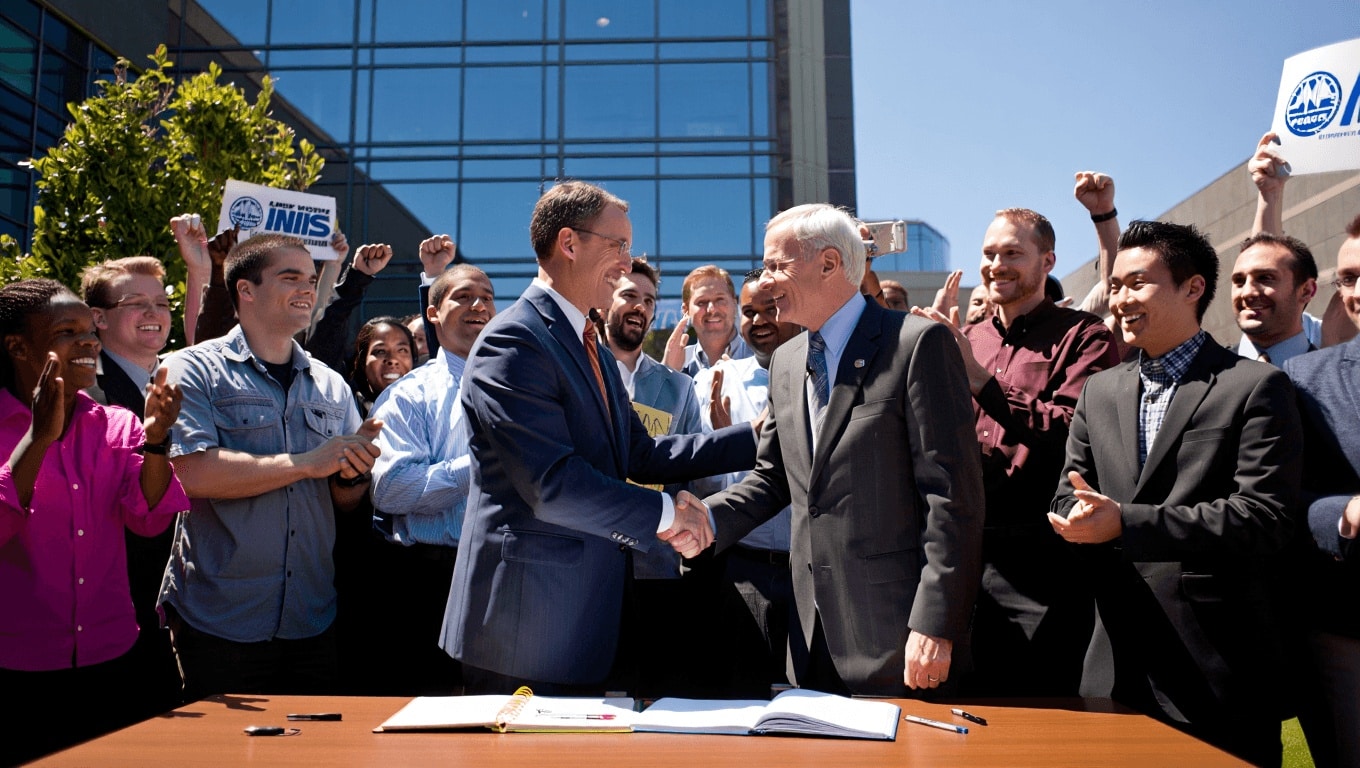
Dark Horse Comics has moved to formally accept the staff’s newly formed union, a rare voluntary recognition that could reshape labor relations across the comic-book industry. The announcement comes two weeks after employees organized amid layoffs, a hiring and wage freeze, leadership changes and concerns about artificial intelligence and return-to-office rules.
In a letter to staff, interim chief executive Jay Komas said the company will voluntarily recognize Dark Horse Workers United as a collective bargaining representative under rules set by the National Labor Relations Board. Company representatives have already contacted the union’s legal counsel to begin the procedural steps toward bargaining, he added.
Komas acknowledged the effort and risk involved in organizing and signaled a desire to work differently with employees. He framed the move as an attempt to rebuild trust after a period when staff felt their concerns were not always addressed, and described recognition as a starting point for negotiating changes together.
The decision to recognize a union without waiting for an election is notable: it removes one formal hurdle but does not instantly resolve any outstanding workplace disputes. The real test will come at the negotiation table, where terms for pay, working conditions and policies will be debated.
- Why staff organized: layoffs and economic uncertainty; wage and hiring freezes; shifting leadership; anxiety about how AI could alter jobs; and return-to-office mandates that staff say affect their finances and productivity.
- What recognition means: Dark Horse commits to meet and bargain in good faith under NLRB standards; legal and scheduling steps will follow between employer and union counsel; an enforceable contract will require negotiation and ratification.
- Immediate next steps: establish bargaining teams, set a timetable for talks, and identify priority issues to negotiate (pay, remote work, AI safeguards, job security).
For creators and licensors who rely on Dark Horse’s editorial and production pipeline, the announcement aims to reassure partners that the publisher intends to protect the quality and reliability of its output. Komas framed the move as supporting the creative work the company delivers to readers while improving conditions for the people who produce it.
Industry observers say the gesture could have broader effects. Publishers that face similar staffing pressures may see voluntary recognition as an alternative to contested elections, while unions may be encouraged that organizing can prompt a swift response. Still, voluntary recognition does not guarantee rapid gains; bargaining often involves lengthy, detailed negotiations and potential impasses.
Key issues to watch as talks begin: proposals on wages and job security, policies around artificial intelligence and content creation, remote and hybrid work arrangements, and any timeline for implementation. How quickly the sides agree on a bargaining process — and what concessions each makes — will determine whether this becomes a turning point or a protracted labor dispute.
Both the union and Dark Horse have signaled a willingness to negotiate. The next few weeks, as bargaining teams form and meetings are scheduled, will show whether that intent translates into concrete changes for employees and, indirectly, for the comics community that follows the publisher.
Similar Posts
- Disney executives offered voluntary buyouts as company reshapes leadership
- Cupertino first trailer: Mike Colter, Rachel Keller headline Robert and Michelle King’s drama
- Jonathan Majors hurt in Daily Wire stunt, crew walkout: producers refuse talks with communists
- WGA, studios strike multi-year deal: major boost to health plan funding
- DC GO crossover sparks backlash with new Runway to Ruin episode: Daily LITG

Hello, I’m Jax. I guide you through the latest comics releases and enrich your geek universe.