
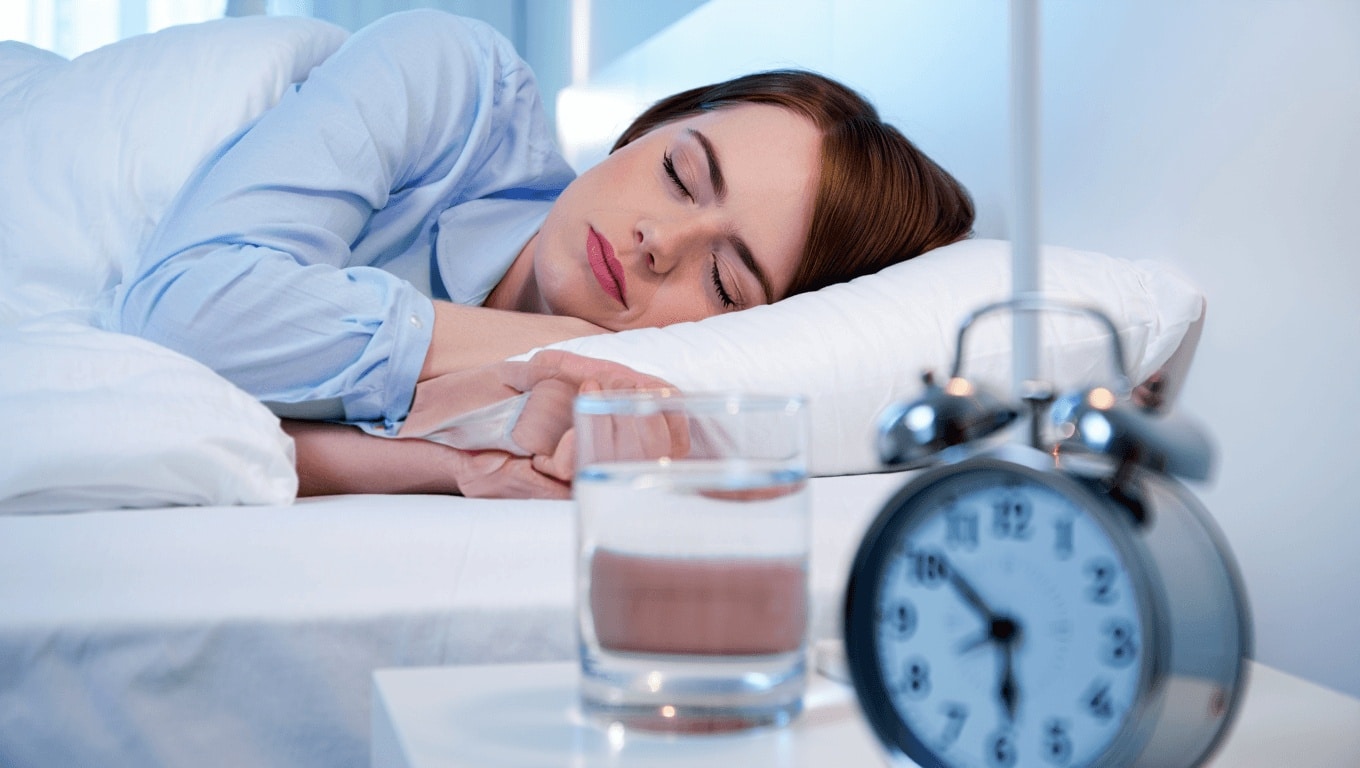
Sleep troubles are widespread, and celebrity routines offer quick, evidence-backed tactics anyone can try tonight. With more people reporting poor sleep amid constant screen time and stress, a handful of public figures are sharing simple, affordable habits that echo clinical advice — from diet tweaks to environmental changes.
Meghan Markle: a mineral nudge for calmer nights
One recurring recommendation from Markle’s public comments is adding magnesium to the evening routine. Many clinicians note magnesium can ease muscle tension and support relaxation for some people, and dietary sources such as nuts, seeds, legumes and whole grains are a low-risk way to increase intake.
Supplements work for some but not everyone; if you consider pills, discuss dosage with a healthcare professional to avoid interaction with other medications.
Charlize Theron: low-dose alternatives to fall asleep
Theron has said she has used edible-form calming aids provided by family to help with nights when sleep is elusive. Products that blend mild cannabinoids with botanicals such as chamomile or valerian are designed to promote relaxation without heavy sedation.
Regulation and ingredients vary widely, so anyone exploring this route should check local laws and product testing, start with a low dose, and consider timing so effects wear off by morning.
Gwyneth Paltrow: cool rooms and warm baths
Paltrow emphasizes two practical levers: room temperature and a nightly bath. Sleep researchers typically recommend keeping the bedroom on the cooler side — roughly 60–67°F — because the body’s temperature drop helps trigger sleep.
Separately, a warm bath before bed can speed onset and improve sleep quality by creating a thermoregulatory shift when you cool back down after the soak. These are low-cost adjustments with a growing body of supporting research.
Jennifer Aniston: put a boundary around screens
For many, including Aniston, the greatest saboteur is evening screen use. Short-wavelength “blue” light suppresses melatonin and increases alertness, so a consistent pre-bed routine that removes phones, tablets and laptops can make falling asleep easier.
Practical options: set a nightly phone curfew (leave it in another room), use night-shift display settings earlier in the evening, and replace scrolling with low-stimulation activities like walking a pet, washing your face, or reading under a soft lamp.
Kendall Jenner: ritual tea and quiet time
Jenner favors a cup of tea and some gentle downtime — reading or journaling — as a way to unwind. Caffeine-free herbal teas such as chamomile or jasmine are commonly recommended for their soothing properties, even if the scientific evidence is modest.
What matters more than the specific beverage is the signal it gives the brain: a repeatable, calming ritual that marks the transition from day to sleep.
Barbie Ferreira: meditation and soundscapes
Ferreira pairs low-caffeine tea with guided meditation or white-noise playlists to help her drift off. Meditation doesn’t work the same way for everyone, but many people report reduced nighttime anxiety and improved sleep regularity after practicing relaxation techniques.
Free guided sessions and ambient soundtracks are widely available and can be a zero-cost experiment if you’re curious.
What these habits have in common:
- Consistency: each celebrity highlights a predictable nightly sequence, which strengthens the body’s sleep cues.
- Environment: light, temperature and noise control are repeated themes backed by sleep science.
- Low-cost interventions: food choices, baths, herbal tea, and screen boundaries are accessible strategies rather than expensive gadgetry.
Quick, practical takeaways you can try this week:
- Lower your bedroom thermostat into the low-60s (or whatever feels comfortably cool for you).
- Establish a 30–60 minute screen curfew and replace screen time with a calming ritual.
- Try a warm bath 60–90 minutes before bed to aid the body’s cooling process.
- Introduce magnesium-rich foods or discuss a supplement with your clinician if tension is a barrier to sleep.
- Use meditation or sleep-focused audio as a free, low-risk tool to calm an overactive mind.
None of these approaches promises instant perfection, and individual results vary. Still, they share two advantages: they’re simple to test and aligned with current sleep research. If problems persist despite consistent changes, consult a healthcare provider — chronic insomnia can signal underlying medical or mental-health issues that deserve assessment.
Similar Posts
- Nicholas Brendon death: David Boreanaz pays tribute to former Buffy co-star
- Nicholas Brendon honored in heartfelt message from Buffy co-star Alyson Hannigan
- Kelly Osbourne’s sudden slim-down draws urgent health questions from fans and medics
- Seth Meyers back on late-night: Billie Eilish tour doc and other release dates
- Nicholas Brendon death: Buffy star Sarah Michelle Gellar issues emotional tribute

Hello, I’m River. I inform you about the latest pop trends and viral buzz to feed your curiosity.