
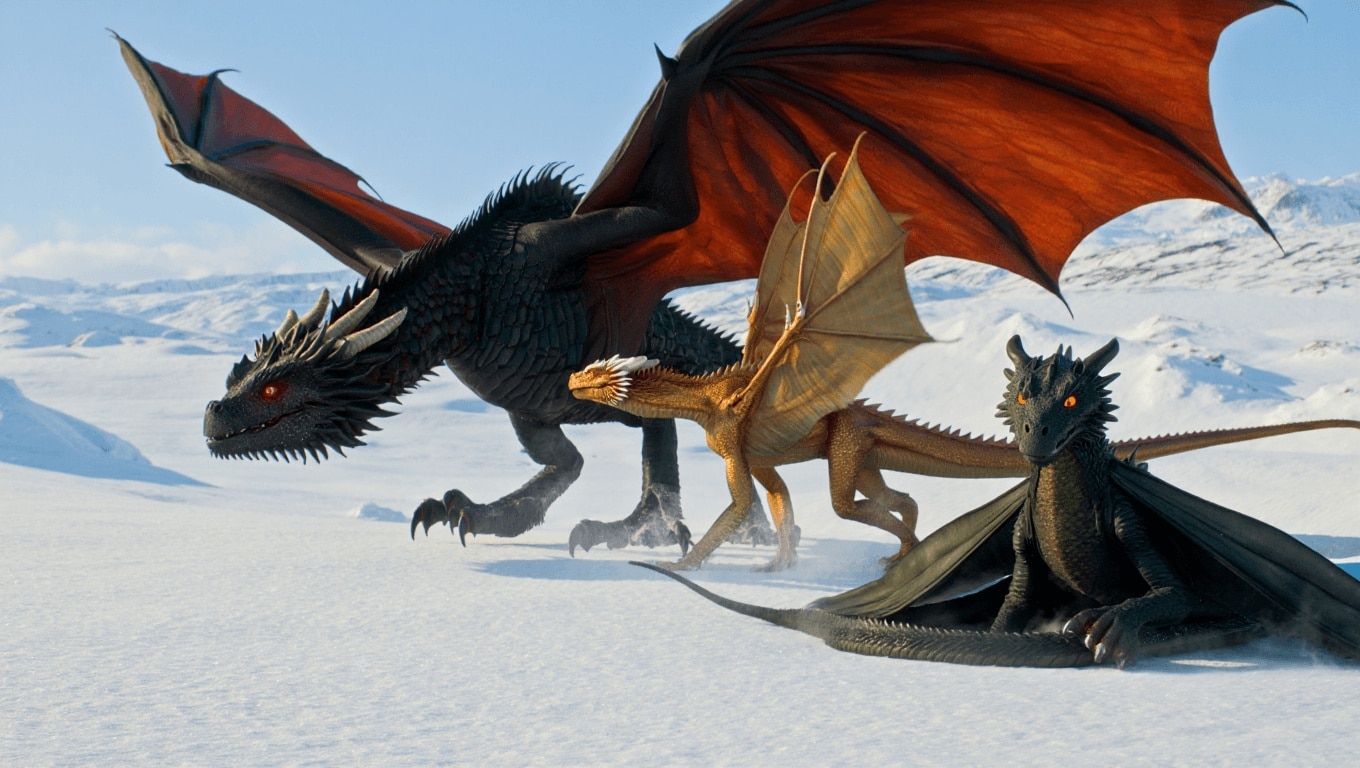
The newest episode of House of the Dragon leans into a long-running mystery of Westeros by suggesting dragons may not be simply ancient beasts but the products of a darker craft—an idea that reshapes how faith and power collide in King’s Landing. That framing matters because it shifts the debate over Targaryen rule from lineage and conquest to moral legitimacy, with immediate political consequences for Rhaenyra’s fragile throne.
Warning: contains spoilers for Season 3, Episode 3.
A theological rebuke in the throne room
In a tense encounter, Rhaenyra Targaryen confronts the High Septon, who refuses to perform a sacred coronation while questions about Aegon’s fate linger. The cleric delivers a scathing rebuke not just of her claim but of dragons themselves, portraying them as an unnatural force tied to pride and the desire for absolute control rather than any divine sanction.
The scene plays less like a doctrinal debate and more like a strategic challenge to the Targaryens: if dragons are depicted as products of illicit sorcery, then the very foundation of Targaryen authority—rule backed by dragonfire—can be cast as illegitimate.
What the episode adds to the origin question
Longstanding canon places the birthplace of dragons among the volcanic ruins of Old Valyria, where Valyrian lords first learned to harness and ride them. The show, however, foregrounds a different strand of lore: an older clerical tradition that treats dragons as the result of hidden, possibly blasphemous, practices.
The episode doesn’t resolve the debate. Instead it introduces a narrative device: by airing the Faith’s suspicion on public stages, the writers make the origin story of dragons a political weapon as much as a mystery to be solved.
- Canonical origin: Dragons are traditionally linked to Old Valyria, where human mastery over them emerged.
- Religious claim: The High Septon argues dragons are forged by dark arts, not blessed by the gods.
- Political effect: Framing dragons as unnatural undermines the Targaryen moral authority.
- Narrative role: The episode suggests origin myths are being used strategically, not merely recounted.
All of these threads coexist: the historical account of Valyria’s dragonlords, whispered tales from religious figures, and the immediate, brutal reality of dragons as instruments of war and rule. The show leans into the ambiguity rather than closing it off.
What this means going forward
By allowing the Faith to paint dragons as a kind of profane technology, House of the Dragon raises stakes beyond battlefield tactics. If public opinion and sacred authority turn against dragons, rulers who depend on them may face not only rebellion but theological condemnation—hard to counter in a realm where the Faith can shape law and custom.
For viewers and readers of the source material, the episode is a reminder that origins in this world are rarely explained in a single scene. Instead, they are debated, weaponized, and reinterpreted across institutions—courts, temples, and battlefields alike.
Whether the show will trace a definitive creation myth or continue to use varying accounts to fuel conflict remains to be seen. For now, the most significant outcome is not a final answer about provenance but a new layer of political drama: the question of whether dragons are a natural wonder or a manufactured menace has become central to who gets to rule Westeros.
Similar Posts
- House of the Dragon hint steers HBO toward the Game of Thrones spinoff fans actually want
- Dungeons & Dragons Fallbacks issue 3 preview: order collapses as lawman goes rogue
- Under the Dome: the unfilmed seasons and endings fans never saw
- Powers 25 #8 unpacks Kutter’s secret past: what fans need to know
- Slasher inspired by 1980s satanic panic lands this October

Hello, I’m Beckett. I cover series and show news for you to make your evenings more captivating.