
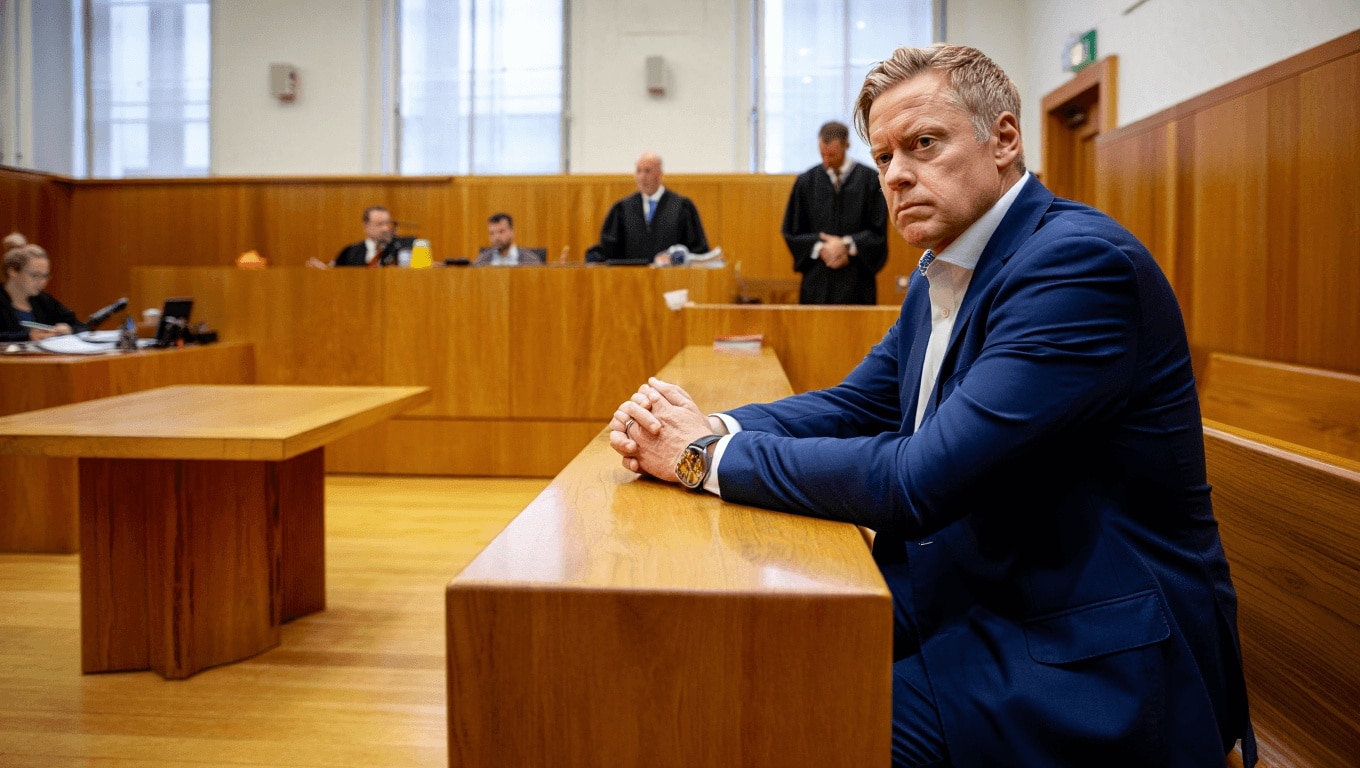
Testimony in a Sydney courtroom this week cast fresh light on the tensions behind the troubled independent film The Deb, as a former UK representative for Rebel Wilson described the production’s breakdown as chaotic and avoidable. The dispute — now the focus of a defamation trial — has implications for on-set conduct and who bears responsibility when disagreements among cast and producers escalate into litigation.
Charles Collier, who testified remotely from the UK, told the court he tried to defuse a row that began after an on-set incident in September 2023 involving lead actress Charlotte MacInnes and producer Amanda Ghost. MacInnes is suing Wilson for defamation, alleging claims about whether she lodged a complaint over the incident damaged her reputation; Wilson says she was told the encounter made the actress uneasy.
Collier, who previously worked at Tavistock Wood before launching his own agency, described efforts to get senior figures involved to calm the situation. He said he urged the financier’s executive to intervene so decisions could be taken by those with authority rather than attempting to settle the dispute directly between the individuals concerned.
He characterized the fallout as a deterioration that left the shoot strained and the production exposed to reputational and legal risk. On several occasions during his evidence he appeared weary and frustrated, sipping coffee and at one point audibly yawning — small moments that underscored the personal toll of a long-running conflict.
- Key allegation: MacInnes says Wilson suggested she had made, then retracted, a harassment complaint against the producer, harming her career prospects.
- Wilson’s position: She maintains MacInnes told her the September encounter — reportedly a shared bath while wearing swimsuits after a medical incident at Bondi Beach — left the actress uncomfortable.
- Agency involvement: Collier assisted Wilson on the film but is not her current UK agent; he left Tavistock Wood in 2024 to found Chalcot Square.
- Producer conduct: Collier called the bathing episode a serious concern and asked financiers to have Ghost temporarily step back from production.
- Contractual step: He sought to add an ethics clause to Ghost’s producer contract that would allow suspension or termination for inappropriate behaviour during the shoot.
In evidence, Collier said he flagged the episode in an October email as a potential “red flag” and pushed for decisive action from Access Entertainment, which was backing the film. He also told the court he proposed contractual language aimed at making producers accountable to basic professional standards; in his view, such a clause would be uncontroversial for anyone who had behaved properly. He could not confirm whether the clause was ultimately inserted into Ghost’s agreement.
Documents shown to the court included messages Collier sent to Wilson as tensions rose. Rather than reproduce the exact wording, Collier’s notes were presented as morale-boosting attempts to keep the production moving while leadership and creative roles were strained by the dispute.
Other testimony on Friday came from Australian producer Greer Simpkin, who recounted conversations with Wilson and said she had emailed Ghost in September suggesting MacInnes had partly retracted some concerns in a way she described as inconsistent. The presentation of those communications is central to MacInnes’s claim that public statements about her conduct have been damaging.
The case, overseen by Justice Elizabeth Raper, reached what was intended to be its final day of hearing. Wilson arrived at court to a visible crowd of supporters and posed for photographs before proceedings continued.
Why this matters now: the trial examines not just conflicting accounts between professionals on one independent film, but broader questions about workplace safety, the responsibilities of producers toward young cast members, and the reputational risks that arise when private concerns become public. The outcome could influence how contracts are drafted and how studios and financiers respond when allegations surface during production.
Quick timeline
| Date | Event |
|---|---|
| September 2023 | Incident on set involving MacInnes and producer Amanda Ghost; accounts differ about its nature. |
| October 2023 | Collier emails financiers flagging the matter and asks for Ghost to step back. |
| 2024 | Collier leaves Tavistock Wood and establishes Chalcot Square; legal proceedings advance. |
| Current | Defamation trial in Sydney hears evidence from Collier, Simpkin and others; case before Justice Raper. |
As the trial concludes, lawyers and industry observers will be watching whether courts require clearer contractual protections and whether financiers will change the way on-set complaints are handled — steps that, if taken, could alter how independent productions manage personnel and reputational risk in future.
Similar Posts
- Blake Lively scores WME backing as judge trims Baldoni’s claims before trial
- Blake Lively pushes back after Justin Baldoni suit tossed: asks fans to ignore online drama
- Price Is Right model stuns viewers: reveals she loathes host Bob Barker
- Paramount rebuffs leak claims over talks with California AG: ready to resume good-faith talks
- Soap star 73 arrested after suspected drunk driving stop

Hello, I’m Declan. I share my film reviews and discoveries with you to enrich your moviegoing experience.