
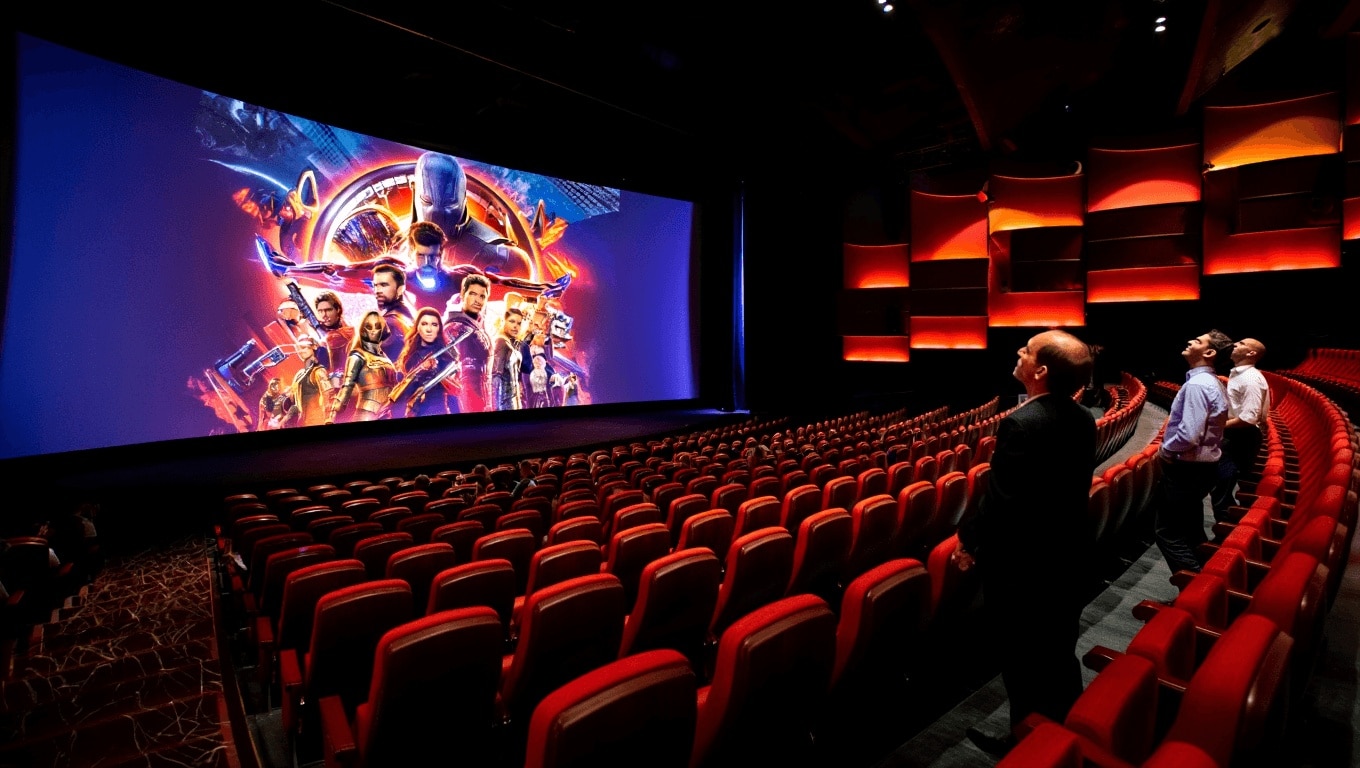
Disney used CinemaCon to unveil Infinity Vision, a new certification for premium theatrical presentations that promises notably bigger screens and upgraded projection and sound. The rollout arrives just ahead of Disney’s announced Avengers events, signaling a renewed push to make the big screen feel indispensable for blockbuster releases.
What Infinity Vision requires
Described by Disney as a standard for the highest-caliber theatrical showings, Infinity Vision is a partnership between the studio and exhibition chains designed to ensure a consistent, top-tier viewing environment.
- Largest screens — venues are expected to offer expanded screen scale to increase visual impact.
- Laser projection — high-brightness, high-clarity projectors are mandated to preserve color and detail.
- Immersive audio — theaters must support premium multi-channel sound formats for enveloping audio.
- Technical and operational checks — certified locations meet a set of technical benchmarks and presentation practices aimed at reducing variability between sites.
Disney says there are currently about 75 Infinity Vision-certified locations in the United States and roughly 300 overseas, reflecting an immediate global footprint rather than a slow, local pilot.
Programming and timing
CinemaCon attendees were told the certification will be in use for upcoming releases: a September re-release of Avengers: Endgame and the Dec. 18 premiere of Avengers: Doomsday. Disney presented Infinity Vision as the preferred way to see these titles on opening and event dates.
For moviegoers, the practical outcome is straightforward: films screened under the Infinity Vision label will aim to deliver a uniform, premium presentation no matter which certified site a patron chooses.
Why this matters now
The launch comes at a moment when studios and theaters are seeking clearer reasons for audiences to leave home. Premium large-format presentations historically draw higher ticket prices and can prolong a title’s box-office life.
Exhibitors face short-term costs to meet new technical standards — investments in screens, projection systems and audio rigs — but gain a marketing hook tied to major studio releases. For Disney, controlling the certification allows the company to pair its own tentpoles with a branded viewing experience, rather than relying solely on third-party PLF names.
Infinity Vision also intensifies competition in the PLF market, where existing options like IMAX and Dolby Cinema have long competed on scale and audio. A studio-backed certification could influence where chains allocate retrofit budgets and how they price premium seats.
Expect to see more theaters advertise Infinity Vision in listings and ticketing platforms over the coming months; for consumers, checking whether a screening is certified will become part of the decision when choosing a premium showing.
Ultimately, Infinity Vision is Disney’s bet that superior sight-and-sound can keep theatrical exhibition relevant and commercially vital as studios balance streaming and big-screen priorities.
Similar Posts
- Disney+ adds Paul Bettany’s Vision to October lineup
- Disney+, Hulu price hikes take effect: see new monthly charges for subscribers
- Disney’s Hexed casts Hailee Steinfeld and Rashida Jones after CinemaCon reveal
- Movies that broke $1 billion worldwide: 60 box office giants
- Jack Kirby honored with plaque at Avengers Campus in Disney California Adventure

Hello, I’m Declan. I share my film reviews and discoveries with you to enrich your moviegoing experience.